


Johann Sebastian Bach
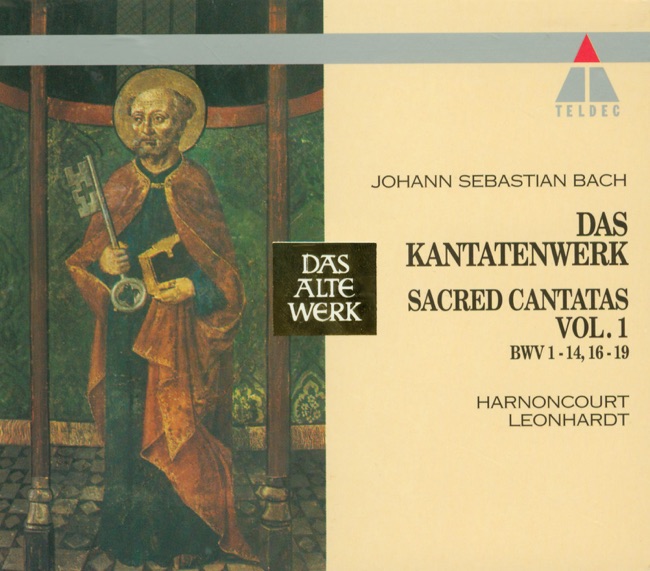
Cantata No. 3, "Ach Gott, wie manches Herzeleid", BWV 3
Released Album
Recent Album

Featured Album
Works Info
Composer:Johann Sebastian BachGenre:ChoralStyle:CantataCompose Date:Jan 14, 1725Publication Date:1851First Performance:Jan 14, 1725Average_duration:21:25Movement_count:6Movement ....Johann Sebastian Bach composed Cantata No. 3, Ach Gott, wie manches Herzeleid, BWV 3, in 1725. The cantata was premiered on the second Sunday after Epiphany, January 14, 1725, in Leipzig, Germany. The cantata consists of six movements and is scored for four vocal soloists, a four-part choir, and a Baroque orchestra consisting of two oboes, strings, and continuo. The first movement is a chorale fantasia, which sets the tone for the entire cantata. The choir sings the chorale melody, while the orchestra provides a rich and complex accompaniment. The second movement is a recitative for the bass soloist, who laments the suffering and pain of the human condition. The third movement is an aria for the alto soloist, who sings of the comfort and solace that can be found in God's love. The fourth movement is a duet for the soprano and tenor soloists, who sing of the joy and hope that can be found in the promise of salvation. The fifth movement is a recitative for the tenor soloist, who warns of the dangers of sin and the importance of repentance. The final movement is a chorale, which brings the cantata to a close with a message of hope and redemption. The characteristics of Cantata No. 3, Ach Gott, wie manches Herzeleid, BWV 3, are typical of Bach's sacred music. The cantata is deeply emotional and expressive, with a strong emphasis on the text and its meaning. Bach's use of harmony and counterpoint is masterful, creating a rich and complex musical tapestry that supports and enhances the text. The cantata is also notable for its use of instrumental color, with the oboes and strings providing a wide range of timbres and textures. Overall, Cantata No. 3, Ach Gott, wie manches Herzeleid, BWV 3, is a powerful and moving work that reflects Bach's deep faith and his mastery of the Baroque style. Its message of hope and redemption continues to resonate with audiences today, making it a beloved and enduring masterpiece of sacred music.More....
Works Music
Released Music
1
Cantata no. 3, "Oh God, how many heartaches", BWV 3
No. 1, Chor. 'Ach Gott, wie manches Herzeleid'
5:2
3
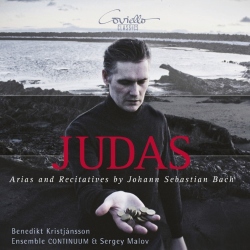
Cantata no. 3, "Oh God, how many heartaches", BWV 3
3: Recitativo. Es mag mir Leib und Geist verschmachten
1:9

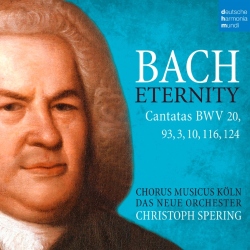
6
6:22
10
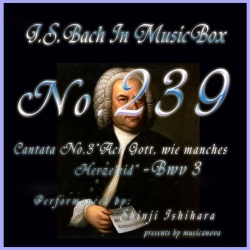
3:59
Featured Music
2
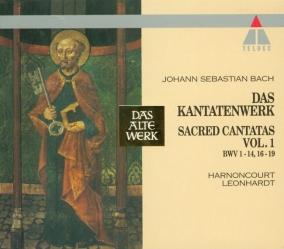
Cantata no. 3, "Oh God, how many heartaches", BWV 3
(Choral) Recitativo. Wie schwerlich läßt sich Fleisch und Blut
2:27
4
Cantata no. 3, "Oh God, how many heartaches", BWV 3
Recitativo. Es mag mir Leib und Geist verschmachten
1:13
5
Cantata no. 3, "Oh God, how many heartaches", BWV 3
Aria (Duetto). Wenn Sorgen auf mich dringen
8:33
7
4:28
8
5:17