


Franz Liszt
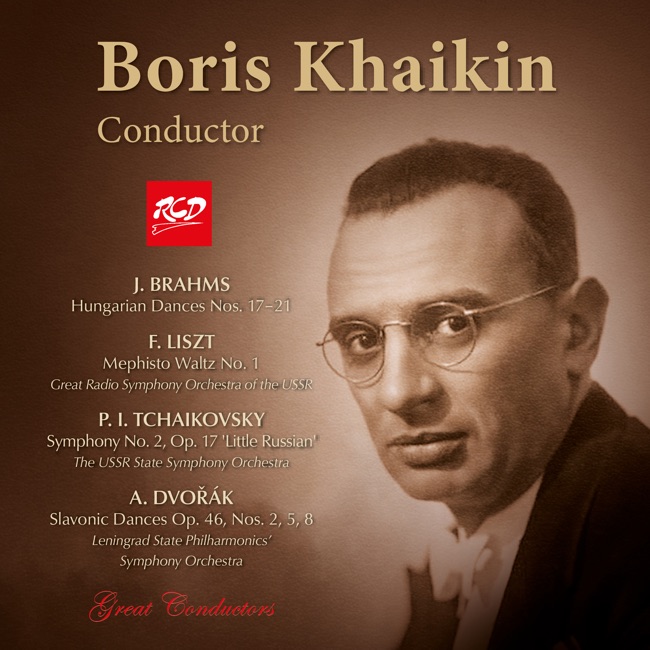
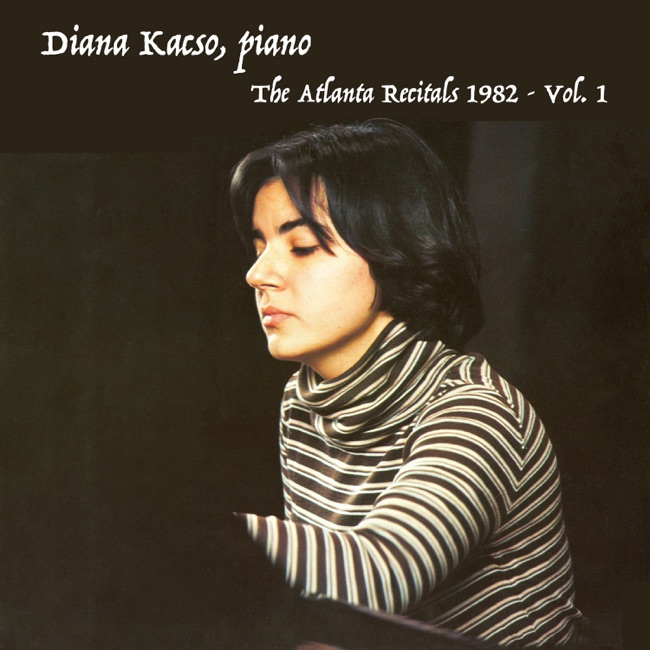
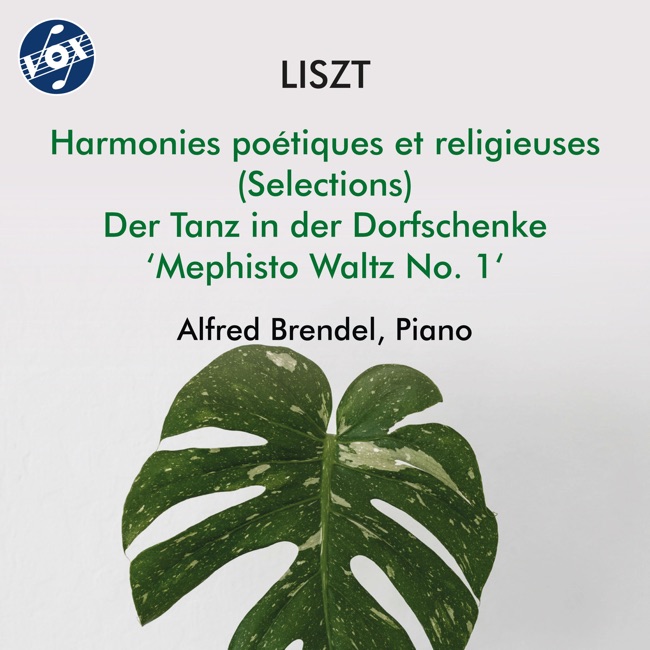
Mephisto Waltz (I & II), for piano No. 1, S. 514
Released Album
Recent Album
-
-

-
-

-
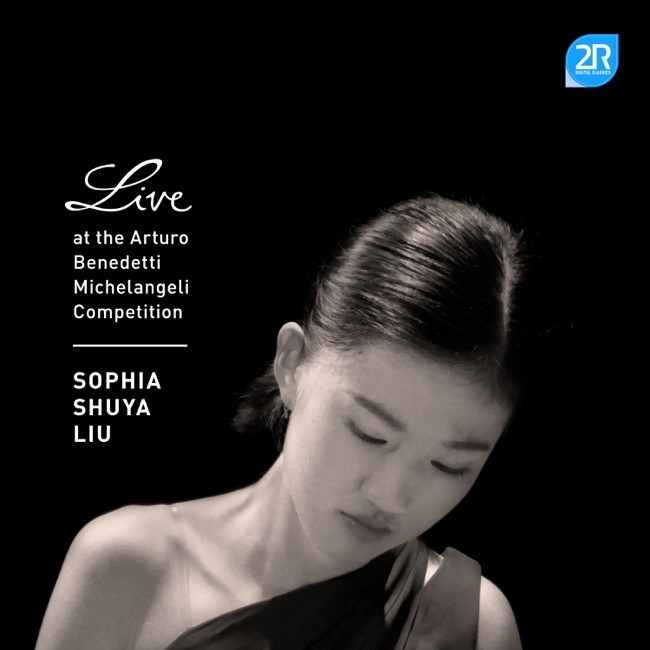 Sophia Shuya LiuFebruary 15, 2024
 -
-
-
-
-
-

-

Featured Album
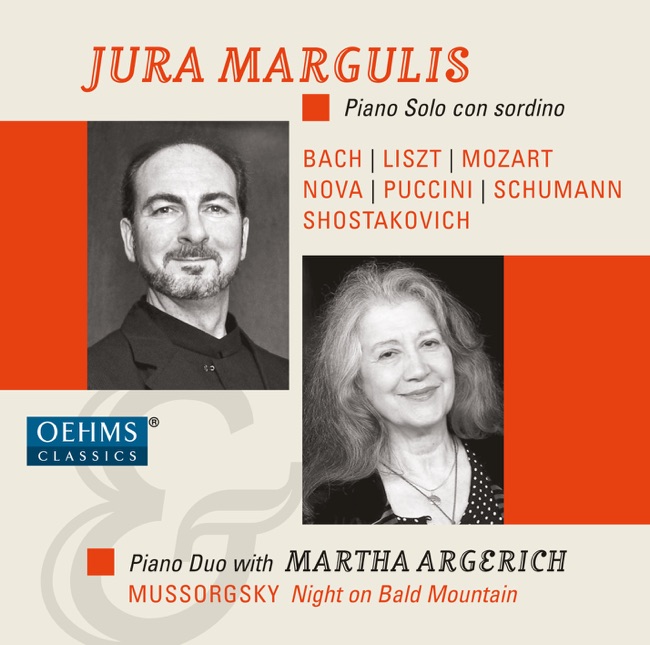
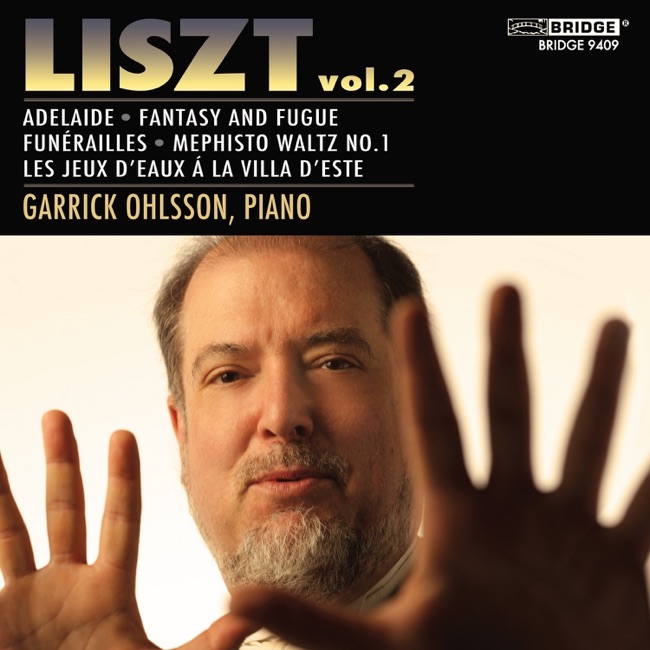


Works Info
Composer:Franz LisztGenre:KeyboardStyle:WaltzCompose Date:1859 - 1862Publication Date:1862Average_duration:11:25Franz Liszt's "Mephisto Waltz (I & II), for piano No. 1, S. 514" is a two-part piano composition that was composed in 1859. The piece was inspired by Johann Wolfgang von Goethe's "Faust" and depicts the character of Mephistopheles, a demon who tempts Faust into making a deal with the devil. The first part of the composition, "Der Tanz in der Dorfschenke" (The Dance in the Village Inn), premiered in Weimar, Germany on April 4, 1860. The second part, "Der Tanz in der Dorfschenke" (The Dance in the Village Inn), premiered in Pest, Hungary on November 24, 1881. The first part of the composition is characterized by its lively and energetic waltz rhythm, which is interspersed with moments of darkness and tension. The piece begins with a fast and frenzied introduction, which sets the tone for the rest of the composition. The waltz theme is introduced shortly after, and Liszt uses a variety of techniques to create a sense of drama and excitement throughout the piece. The first part of the composition ends with a dramatic coda, which brings the piece to a thrilling conclusion. The second part of the composition is more introspective and melancholic than the first. It begins with a slow and mournful introduction, which sets the tone for the rest of the piece. The waltz theme is introduced shortly after, but it is played at a slower tempo and with a more subdued tone than in the first part of the composition. Liszt uses a variety of techniques to create a sense of melancholy and introspection throughout the piece, including the use of chromaticism and dissonance. The second part of the composition ends with a quiet and contemplative coda, which brings the piece to a peaceful conclusion. Overall, "Mephisto Waltz (I & II), for piano No. 1, S. 514" is a thrilling and dramatic composition that showcases Liszt's virtuosic piano writing and his ability to create a sense of drama and excitement through music. The piece remains a popular choice for pianists and audiences alike, and it continues to be performed and recorded to this day.More....
Works Music
Released Music
1
11:18

3
12:8

5
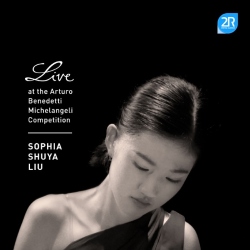
11:36
6

11:14


9
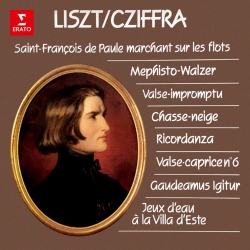
Mephisto Waltz (I & II), for piano no. 1, p. 514
Méphisto-valse No. 1, S. 514 "Danse à l'auberge du village"
12:4
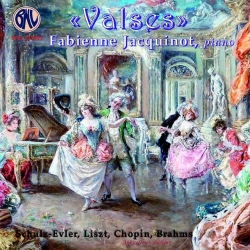
Featured Music

2
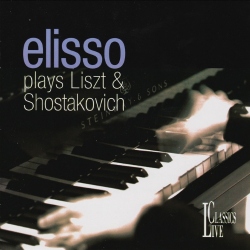
9:52
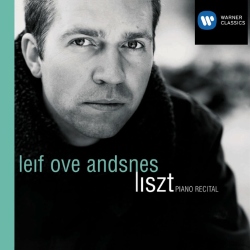
4
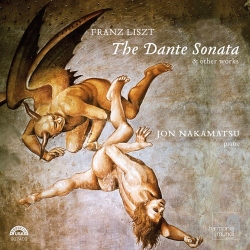
11:43
5
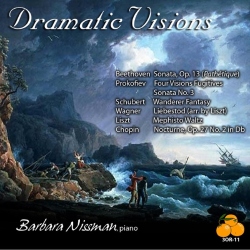
10:28
6

11:18
7
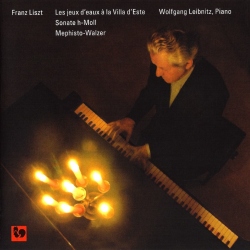
13:10
8
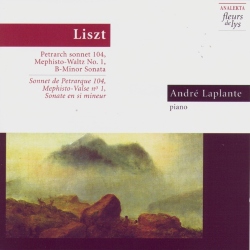
11:44
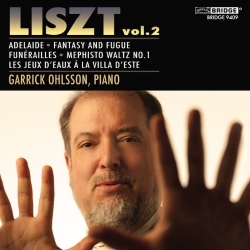



Main Perform Artists
Piano
Piano
Piano
Piano
Piano
Piano
Piano
Piano
Piano
Piano
Piano
Piano
Piano
Piano
Piano