Zoltán Kodály
Rectius Vives
Released Album
Recent Album
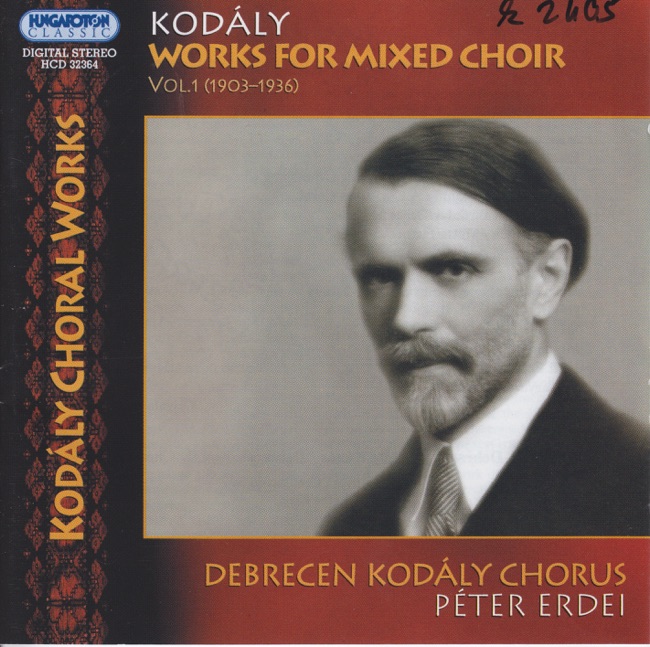
Works Info
Composer:Zoltán KodályGenre:ChoralStyle:ChoralCompose Date:1934Publication Date:1934Average_duration:1:40Rectius Vives is a choral work composed by Zoltán Kodály in 1939. The piece was premiered in Budapest on December 10, 1939, by the Budapest Philharmonic Orchestra and the Hungarian Radio Choir, conducted by the composer himself. The work is divided into three movements, each of which is based on a Latin text. The first movement, "Rectius Vives," is a setting of a text by Horace that urges the listener to live a virtuous life. The second movement, "Esto Quod Es," is a setting of a text by the medieval philosopher and theologian Thomas Aquinas that encourages the listener to be content with who they are. The final movement, "Veni Creator," is a setting of a hymn to the Holy Spirit that asks for divine guidance and inspiration. Kodály's use of folk music influences is evident throughout the work, particularly in the use of modal harmonies and rhythmic patterns. The choral writing is also notable for its use of complex polyphony and rich harmonies, which create a sense of depth and texture. Overall, Rectius Vives is a powerful and moving work that reflects Kodály's deep commitment to the ideals of humanism and social justice. Its themes of virtue, contentment, and divine inspiration continue to resonate with audiences today, making it a timeless masterpiece of choral music.More....
Works Music