


Giovanni Pierluigi da Palestrina
Quam pulchri sunt gressus tui (from Motets Book IV from Canticis canticorum)
Released Album
Recent Album


Featured Album
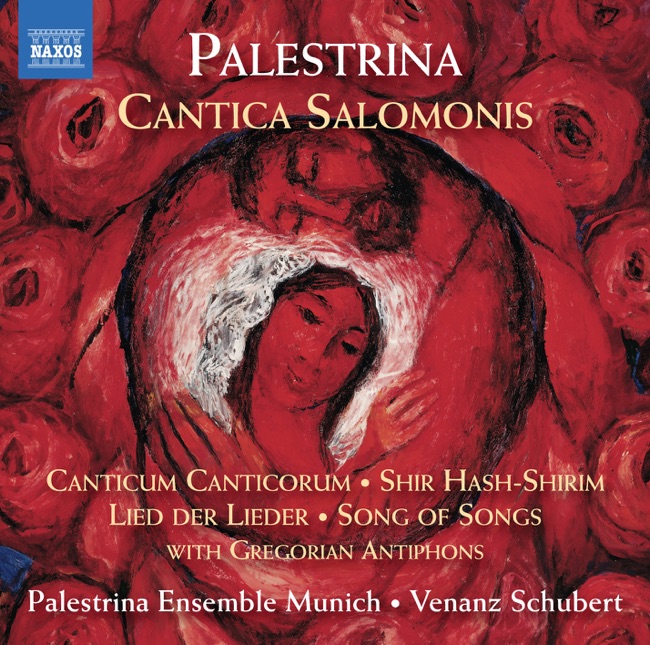
Works Info
Composer:Giovanni Pierluigi da PalestrinaGenre:ChoralStyle:MotetCompose Date:1584Average_duration:2:44Giovanni Pierluigi da Palestrina was a prominent Italian composer of the Renaissance period. He is known for his sacred music compositions, which were characterized by their clarity, simplicity, and purity of sound. One of his most famous works is the motet "Quam pulchri sunt gressus tui," which is part of his Motets Book IV from Canticis canticorum. The motet "Quam pulchri sunt gressus tui" is a setting of a text from the Song of Solomon, a book of the Old Testament. The text describes the beauty of the beloved's feet as she walks through a garden. Palestrina's setting of the text is divided into three movements, each of which reflects a different aspect of the text. The first movement begins with a simple, homophonic texture, with all voices singing the same melody in unison. The melody is then passed between the voices, creating a sense of movement and progression. The harmonies are mostly diatonic, with occasional chromatic inflections to add interest and color. The second movement is more complex, with a polyphonic texture that features imitative entrances and overlapping phrases. The harmonies are richer and more varied, with frequent use of suspensions and dissonances to create tension and release. The text is set in a more declamatory style, with the voices emphasizing certain words and phrases for emphasis. The third movement returns to the simplicity of the first, with a homophonic texture and a melody that is mostly syllabic. The harmonies are again mostly diatonic, with occasional chromatic inflections. The text is set in a more lyrical style, with the voices singing long, flowing phrases that reflect the beauty and grace of the beloved's feet. "Quam pulchri sunt gressus tui" was composed in the late 16th century, during the height of the Renaissance period. It premiered in Rome, where Palestrina was working as a composer and choirmaster. The motet is characteristic of Palestrina's style, which emphasized clarity, simplicity, and purity of sound. It is a testament to his skill as a composer that his music continues to be performed and admired today, more than 400 years after his death.More....
Works Music
Released Music
1
Quam pulchri sunt gressus tui (from Motets Book IV from Canticis canticorum)
Song of Songs: No. 25. Quam pulchri sunt gressus tui
3:13
2
2:55
3

2:52
4
2:46
5

2:46
Featured Music
1
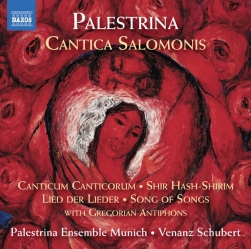
Quam pulchri sunt gressus tui (from Motets Book IV from Canticis canticorum)
Motet: Quam pulchri sunt gressus tui
4:28
2
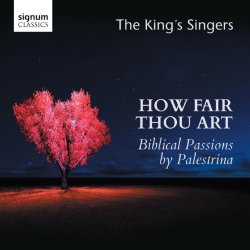
Quam pulchri sunt gressus tui (from Motets Book IV from Canticis canticorum)
Quam pulchri sunt gressus tui
2:48