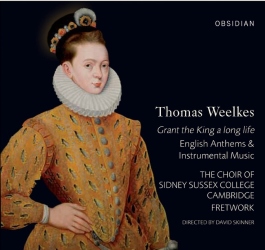
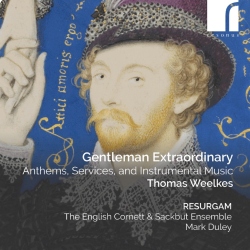
Thomas Weelkes
Give ear, O Lord
Released Album
Recent Album

Featured Album
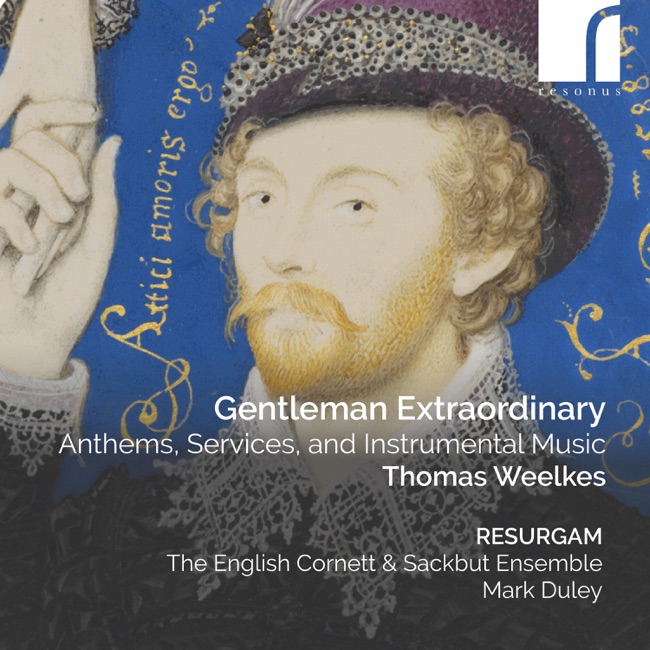
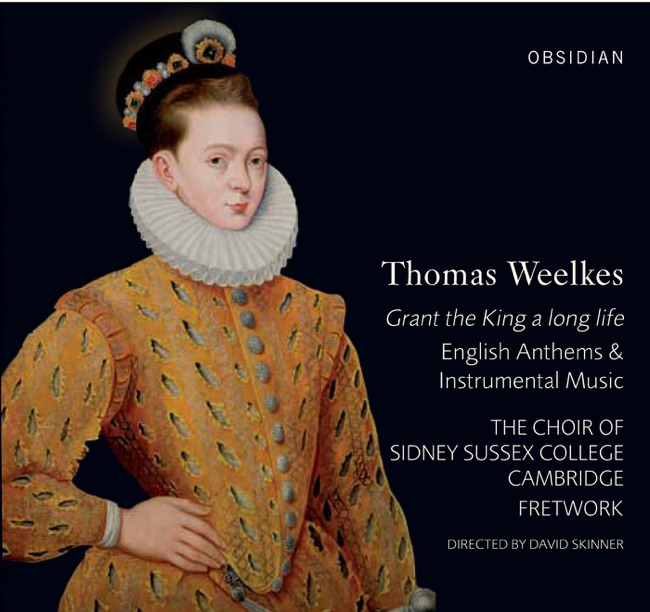
Works Info
Composer:Thomas WeelkesGenre:ChoralStyle:AnthemPublication Date:1966Average_duration:5:47Thomas Weelkes was an English composer who lived from 1576 to 1623. He was a contemporary of William Byrd and Orlando Gibbons, and is known for his contributions to the English madrigal genre. One of his most famous works is "Give ear, O Lord," a sacred choral piece that was likely composed in the early 17th century. "Give ear, O Lord" is a five-part choral work that is set to a text from Psalm 102. The piece is written in the English verse anthem style, which was popular in the Anglican Church during the early 17th century. The verse anthem style is characterized by the alternation of solo and choral sections, and the use of instrumental accompaniment. The piece is divided into three movements. The first movement is a solo section that is sung by a high tenor or alto voice. The soloist sings the first two verses of the psalm text, which begin with the words "Give ear, O Lord, unto my prayer." The solo section is accompanied by a viol consort, which provides a rich and sonorous backdrop for the singer's voice. The second movement is a choral section that is sung by the full choir. The choir sings the third and fourth verses of the psalm text, which begin with the words "My days are like a shadow." The choral section is characterized by its lively and rhythmic melody, which is supported by the instrumental accompaniment. The third movement is another solo section, which is sung by a bass voice. The soloist sings the final two verses of the psalm text, which begin with the words "But thou, O Lord, shalt endure for ever." The solo section is accompanied by the viol consort, which provides a gentle and contemplative backdrop for the singer's voice. Overall, "Give ear, O Lord" is a beautiful and expressive piece of music that showcases Weelkes' skill as a composer. The piece is notable for its use of the verse anthem style, which was a popular form of sacred music during the early 17th century. The piece is also notable for its rich and sonorous instrumental accompaniment, which adds depth and texture to the choral sections.More....
Works Music
Released Music
1
6:44

Featured Music