Hanns Eisler
Hotelzimmer 1942
Released Album
Recent Album


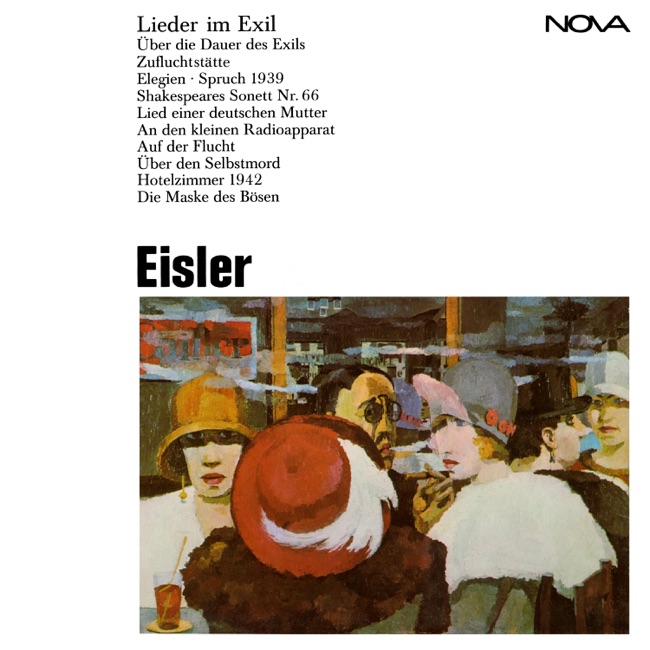
Featured Album

Works Info
Composer:Hanns EislerGenre:VocalStyle:Vocal MusicCompose Date:1942Average_duration:1:52Hotelzimmer 1942 is a song cycle composed by Hanns Eisler in 1942. The premiere of the work took place in 1943 in New York City. The cycle consists of six movements, each of which is based on a poem by the German poet and playwright Bertolt Brecht. The first movement, "An den kleinen Radioapparat" (To the Little Radio), is a satirical commentary on the role of the radio in Nazi propaganda. The second movement, "Ballade von der Judenhure Marie Sanders" (Ballad of the Jewish Whore Marie Sanders), tells the story of a Jewish woman who is forced into prostitution by the Nazis. The third movement, "Epitaph für Ernst Toller" (Epitaph for Ernst Toller), is a tribute to the German playwright and political activist Ernst Toller, who committed suicide in 1939. The fourth movement, "Lied der Bergarbeiter" (Song of the Miners), is a protest song that expresses solidarity with the working class. The fifth movement, "Über den Selbstmord" (On Suicide), is a philosophical reflection on the nature of suicide. The final movement, "Die Ballade vom Wasserrad" (The Ballad of the Waterwheel), is a metaphorical commentary on the cyclical nature of history and the inevitability of revolution. The music of Hotelzimmer 1942 is characterized by Eisler's use of dissonant harmonies and unconventional rhythms, which reflect the turbulent political and social climate of the time. The cycle also features Eisler's signature use of sprechgesang, a style of singing that combines spoken and sung elements. Overall, Hotelzimmer 1942 is a powerful and poignant work that reflects the political and social turmoil of the early 20th century. Through its use of poetry and music, the cycle offers a powerful commentary on the human condition and the struggle for justice and freedom.More....
Works Music
Released Music

Featured Music