Tomás Luis de Victoria
Taedet animam meam
Released Album
Recent Album
Featured Album
Works Info
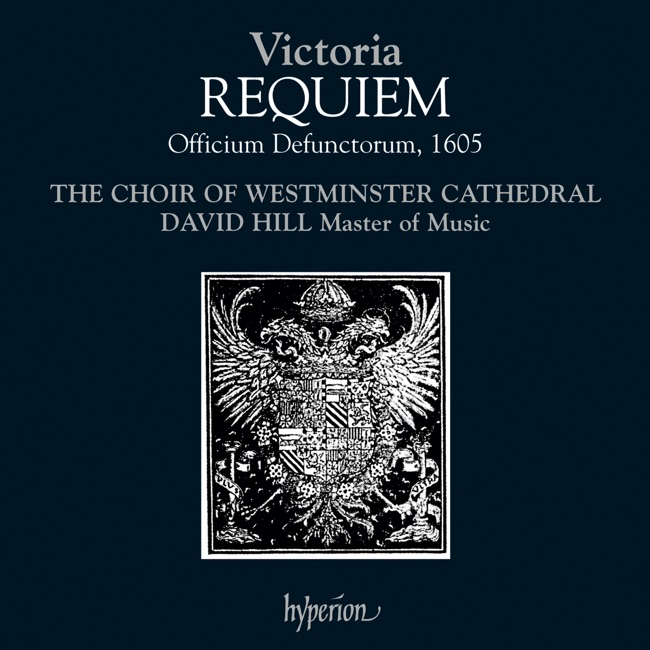
Composer:Tomás Luis de VictoriaGenre:ChoralStyle:ChoralPublication Date:1605Average_duration:3:30"Taedet animam meam" is a sacred motet composed by Tomás Luis de Victoria, a Spanish composer of the Renaissance era. The piece was composed in the late 16th century and was first performed in 1585. It is a part of Victoria's Officium Defunctorum, a collection of music for the Office of the Dead. The motet is divided into three movements, each with its own distinct character. The first movement is a somber and mournful setting of the text "Taedet animam meam vitae meae" (My soul is weary of my life). The music is slow and contemplative, with long, sustained notes and a sense of resignation and sadness. The second movement is a more lively and energetic setting of the text "Quare fugi inane" (Why have I fled in vain?). The music is faster and more rhythmic, with a sense of urgency and desperation. The vocal lines are more complex and intricate, with overlapping phrases and intricate harmonies. The final movement is a return to the somber mood of the first, with a setting of the text "Expectans expectavi" (I have waited for the Lord). The music is slow and contemplative, with a sense of longing and anticipation. The vocal lines are simple and straightforward, with a focus on the text and the emotions it conveys. Overall, "Taedet animam meam" is a powerful and emotional work that reflects Victoria's mastery of Renaissance polyphony. The piece is characterized by its rich harmonies, intricate vocal lines, and expressive use of text painting. It remains a beloved work of sacred music to this day.More....