Andrea Antico
Si è debile el filo
Released Album
Recent Album
Works Info
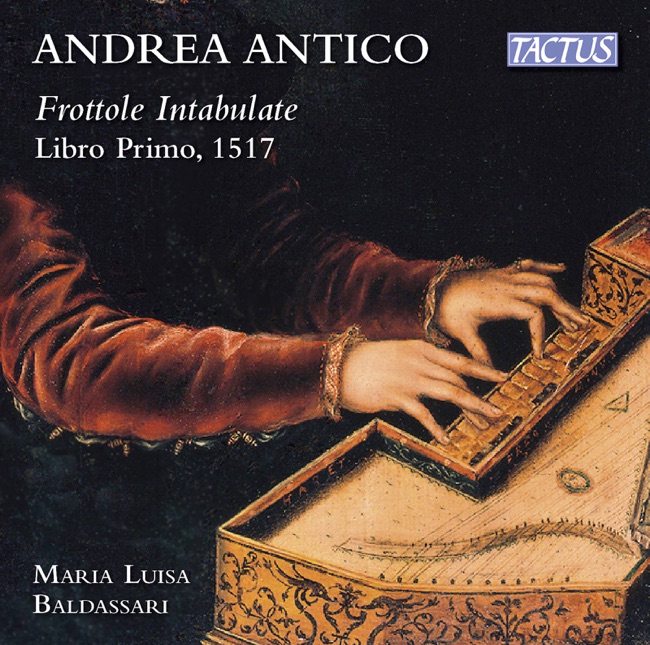
Composer:Andrea AnticoGenre:KeyboardAverage_duration:2:22"Si è debile il filo" is a madrigal composed by Andrea Antico, an Italian music printer and composer who lived during the Renaissance period. The piece was composed in the early 16th century and was first published in 1517 in Antico's collection of madrigals titled "Frottole Intabulate da Sonare et Cantare Libro Primo." The madrigal is written for four voices, with the lyrics in Italian. It is a secular piece that tells the story of a lover who is torn between his desire for his beloved and his fear of rejection. The title, "Si è debile il filo," which translates to "The thread is weak," refers to the fragile nature of the lover's emotions. The piece is divided into three movements, each with its own distinct character. The first movement is slow and melancholic, with the voices singing in a homophonic texture. The second movement is faster and more lively, with the voices singing in a polyphonic texture. The third movement returns to the slow and melancholic character of the first movement, with the voices singing in a homophonic texture once again. One of the characteristics of "Si è debile il filo" is its use of word painting. Antico uses musical devices to illustrate the meaning of the lyrics. For example, in the first movement, the voices sing the word "pianto" (weeping) in a descending melody, which creates a sense of sadness and despair. In the second movement, the voices sing the word "gioia" (joy) in an ascending melody, which creates a sense of happiness and excitement. Overall, "Si è debile il filo" is a beautiful example of Renaissance madrigal music. Its use of word painting and its three distinct movements make it a complex and interesting piece to listen to.More....
Works Music
Released Music
1
The wire is weak
Si è debile el filo (Frottole Intabulate per sonare organi Libro Primo, Roma 1517)
2:38