


Kurt Atterberg
Symphony No. 4 in G, Op. 14, "Sinfonia Piccola"
Released Album
Recent Album
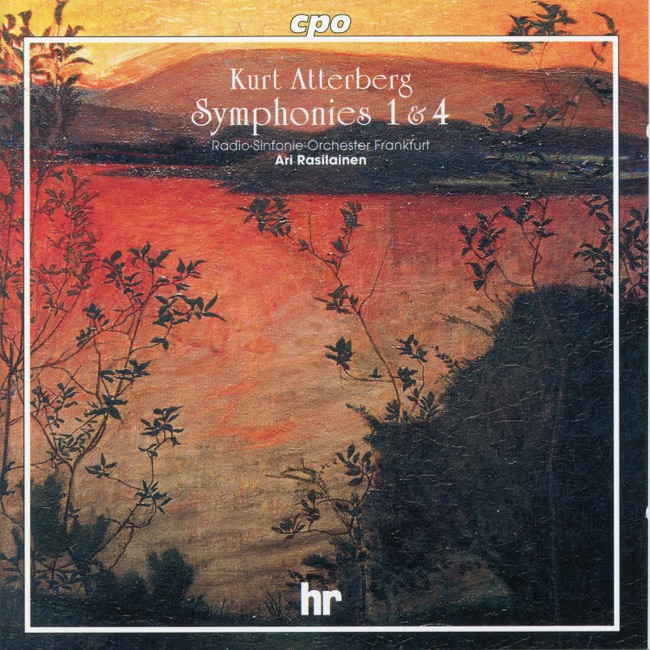
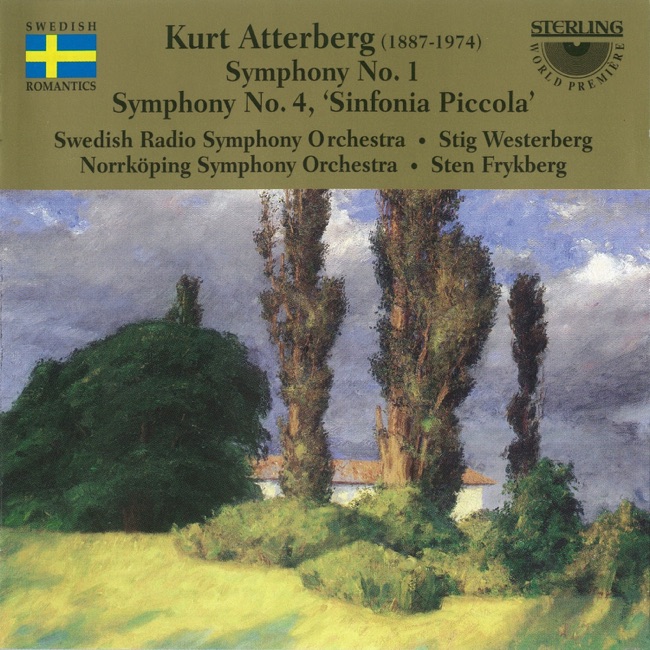
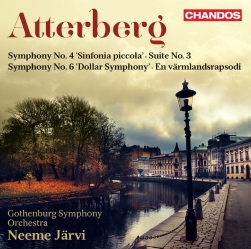
Featured Album
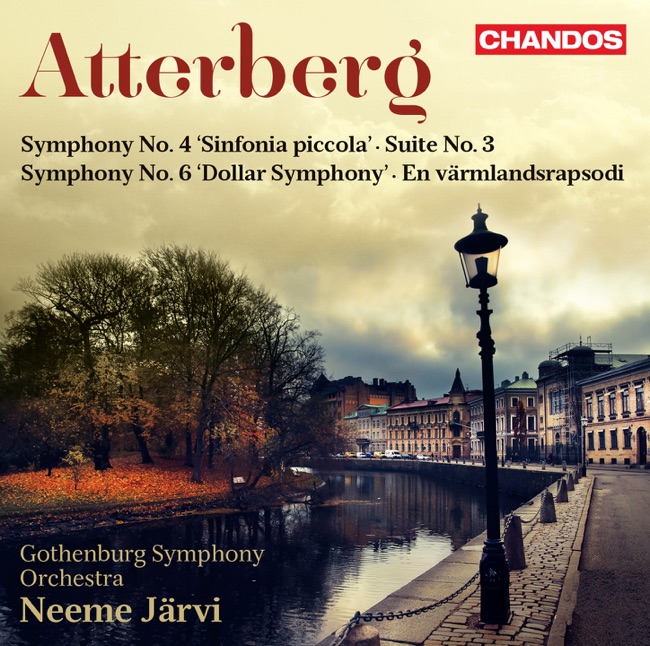
Works Info
Composer:Kurt AtterbergGenre:SymphonyStyle:SymphonyCompose Date:1918Average_duration:20:50Movement_count:4Movement ....Kurt Atterberg's Symphony No. 4 in G, Op. 14, also known as Sinfonia Piccola, was composed in 1918 and premiered on November 7, 1919, in Stockholm, Sweden. The symphony is divided into four movements and has a total duration of approximately 30 minutes. The first movement, marked Allegro moderato, begins with a lively and energetic theme played by the strings. The theme is then passed on to the woodwinds and brass, creating a sense of excitement and anticipation. The second theme, played by the clarinet, is more lyrical and provides a contrast to the first theme. The movement ends with a recapitulation of the main themes, bringing the movement to a satisfying close. The second movement, marked Andante, is a beautiful and lyrical piece that showcases Atterberg's skill in writing for the strings. The movement begins with a solo violin playing a haunting melody, which is then taken up by the rest of the strings. The middle section of the movement features a solo cello, which provides a sense of melancholy and introspection. The movement ends with a return to the opening theme, played by the violins. The third movement, marked Scherzo, is a lively and playful piece that features a syncopated rhythm and a catchy melody. The movement is characterized by its use of pizzicato strings, which create a sense of lightness and whimsy. The middle section of the movement features a solo flute, which provides a contrast to the energetic opening theme. The movement ends with a return to the opening theme, played by the full orchestra. The final movement, marked Allegro con fuoco, is a triumphant and energetic piece that brings the symphony to a thrilling conclusion. The movement begins with a fanfare played by the brass, which is then taken up by the rest of the orchestra. The middle section of the movement features a solo trumpet, which provides a sense of heroism and grandeur. The movement ends with a recapitulation of the main themes, played with even greater intensity and energy than before. Overall, Atterberg's Symphony No. 4 in G, Op. 14, is a masterful work that showcases his skill in orchestration and his ability to create memorable melodies. The symphony is characterized by its use of lush harmonies, rhythmic vitality, and a sense of joy and optimism that is typical of Atterberg's music.More....
Works Music
Released Music
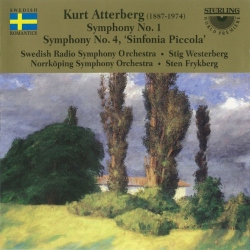
Featured Music
1
Symphony No. 4 in G, Op. 14, "Little Symphony"
1. Con forza - Tempo commodo - Tempo 1 - Vivo - Poco tranquillo - Vivo - Sempre quasi agitato - Commodo - Stretto poco -
5:46
3
Symphony No. 4 in G, Op. 14, "Little Symphony"
3. Scherzo. Allegro molto - Meno mosso - Molto allegro -
1:23
4
Symphony No. 4 in G, Op. 14, "Little Symphony"
4. Finale. Rondo. Allegro molto - Poco meno mosso - Più mosso - Tempo 1 - Poco tranquillo - A tempo 1 - Poco meno mosso - Più mosso - A tempo 1 - Molto stringendo - Più stringendo - Doppio movimento
5:40