Edward Elgar
The Pipes of Pan
Released Album
Recent Album
-

-
-
-
-
-
 Various ArtistsOctober 1, 1998
Featured Album
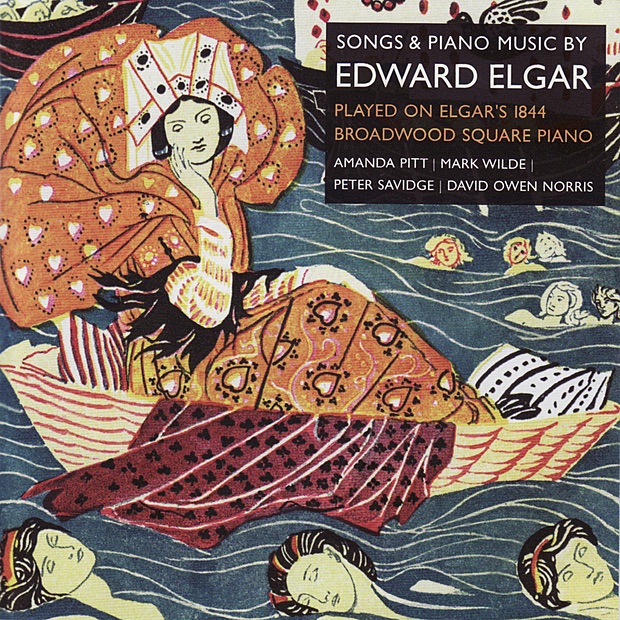
Works Info
Composer:Edward ElgarGenre:VocalStyle:SongCompose Date:1899Average_duration:4:02Edward Elgar's "The Pipes of Pan" is a composition for solo flute and orchestra. It was composed in 1932 and premiered on October 27th of the same year at the Queen's Hall in London, with the solo flute part played by the renowned flautist, John Amadio. The piece is divided into three movements, each with its own distinct character and mood. The first movement, marked "Allegro maestoso," is a lively and energetic dance in 6/8 time. The flute introduces the main theme, which is then taken up by the orchestra. The music is full of rhythmic vitality and playful syncopations, evoking the spirit of Pan, the Greek god of shepherds and flocks, who is often depicted playing his pipes in the countryside. The second movement, marked "Lento espressivo," is a lyrical and introspective aria. The flute sings a plaintive melody over a lush orchestral accompaniment, creating a mood of wistful nostalgia. The music is reminiscent of Elgar's earlier works, such as the "Enigma Variations," with its rich harmonies and poignant melodies. The final movement, marked "Allegro giocoso," is a lively and playful scherzo. The flute and orchestra engage in a lively dialogue, with the flute darting and weaving through the orchestral textures. The music is full of humor and wit, with unexpected twists and turns that keep the listener engaged. Overall, "The Pipes of Pan" is a charming and delightful work that showcases Elgar's skill as a composer and his love of nature and folklore. The flute part is virtuosic and demanding, requiring a high level of technical proficiency and musical sensitivity. The orchestration is colorful and imaginative, with a wide range of textures and timbres. The piece is a testament to Elgar's enduring popularity and his ability to create music that speaks to the heart and soul of his listeners.More....
Works Music
Released Music

6
3:49
Featured Music