Hans Pfitzner
Gegenliebe, Op. 22/4
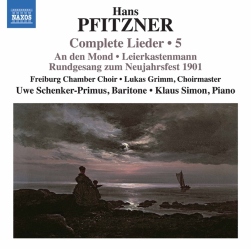
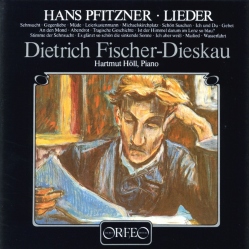
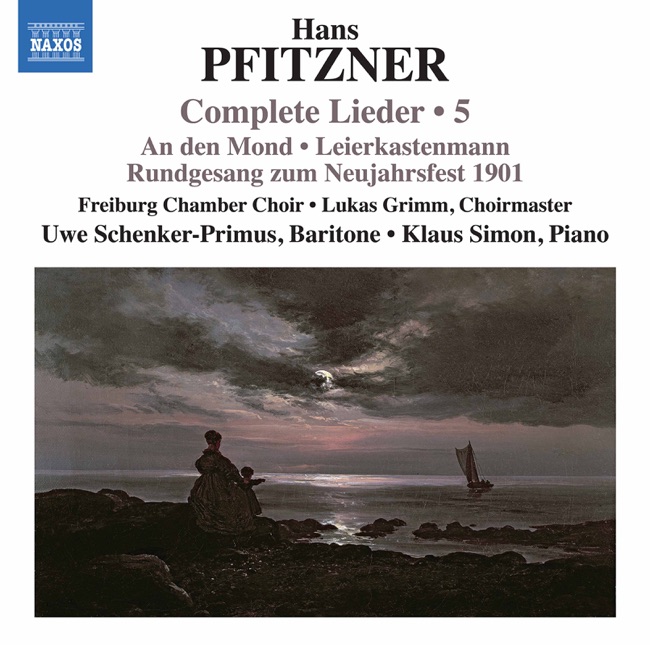
Released Album
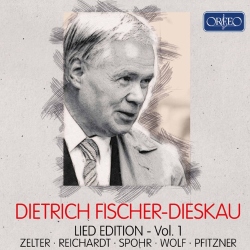
Recent Album
Works Info
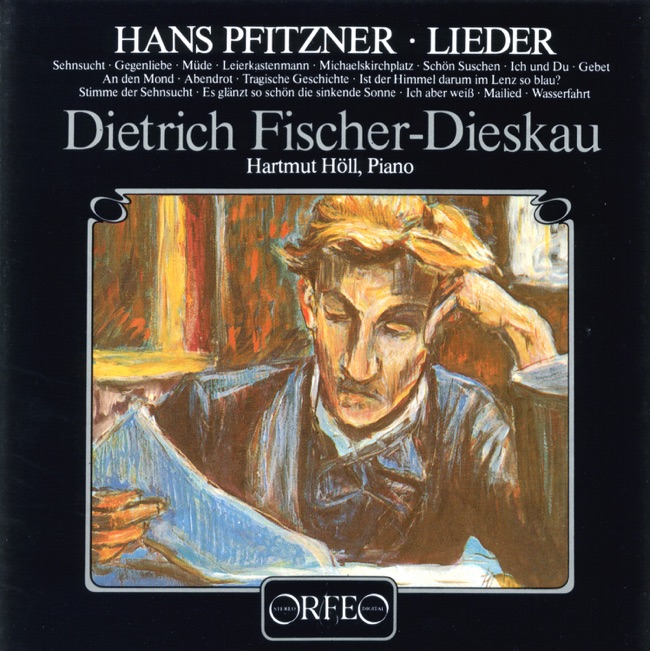
Composer:Hans PfitznerGenre:VocalStyle:Song: Art SongAverage_duration:1:45Gegenliebe, Op. 22/4 is a song composed by Hans Pfitzner in 1905. It was premiered in the same year in Berlin, Germany. The song is part of a larger song cycle titled "Vier Lieder, Op. 22" which consists of four songs in total. The song is written for a solo voice and piano accompaniment. It is a romantic song that expresses the feeling of unrequited love. The lyrics, written by Richard Dehmel, describe the pain of loving someone who does not love you back. The music reflects the emotional intensity of the lyrics, with a soaring melody and dramatic harmonies. The song is divided into three movements. The first movement is marked "Sehr langsam und schmerzvoll" (very slow and painful) and sets the tone for the rest of the song. The piano accompaniment is sparse, with long, sustained chords that create a sense of longing and sadness. The vocal line is equally sparse, with long, sustained notes that express the pain of unrequited love. The second movement is marked "Bewegt und leidenschaftlich" (moving and passionate) and is more upbeat than the first. The piano accompaniment is more active, with arpeggios and rapid runs that create a sense of urgency and passion. The vocal line is also more active, with faster rhythms and more complex melodies that express the intensity of the singer's emotions. The third movement is marked "Sehr langsam und schmerzvoll" (very slow and painful) and returns to the mood of the first movement. The piano accompaniment is once again sparse, with long, sustained chords that create a sense of resignation and acceptance. The vocal line is also sparse, with long, sustained notes that express the singer's acceptance of the fact that their love will never be returned. Overall, Gegenliebe, Op. 22/4 is a powerful and emotional song that expresses the pain of unrequited love. The music is dramatic and intense, with soaring melodies and complex harmonies that reflect the emotional intensity of the lyrics. It is a testament to Pfitzner's skill as a composer and his ability to capture the essence of human emotion in music.More....
Works Music