


Carl Loewe
Ballads (3), Op. 20: No. 2, "Der Zauberlehrling", Op. 20/2
Released Album
Recent Album
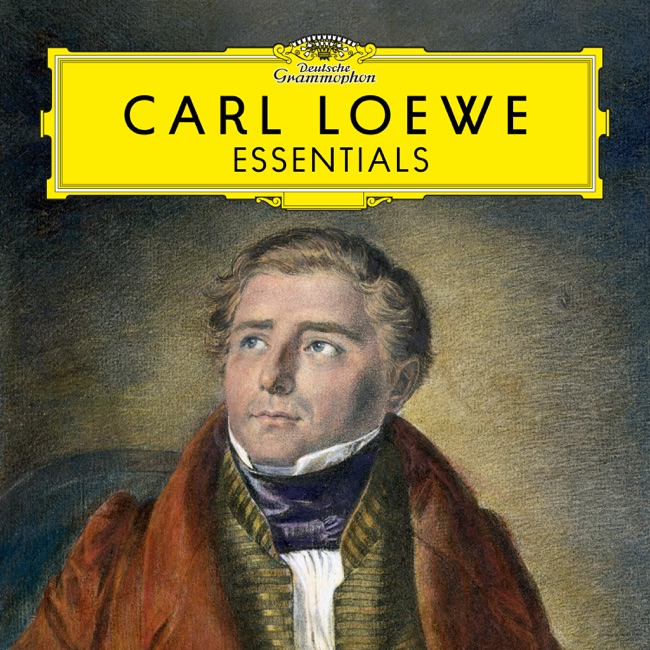
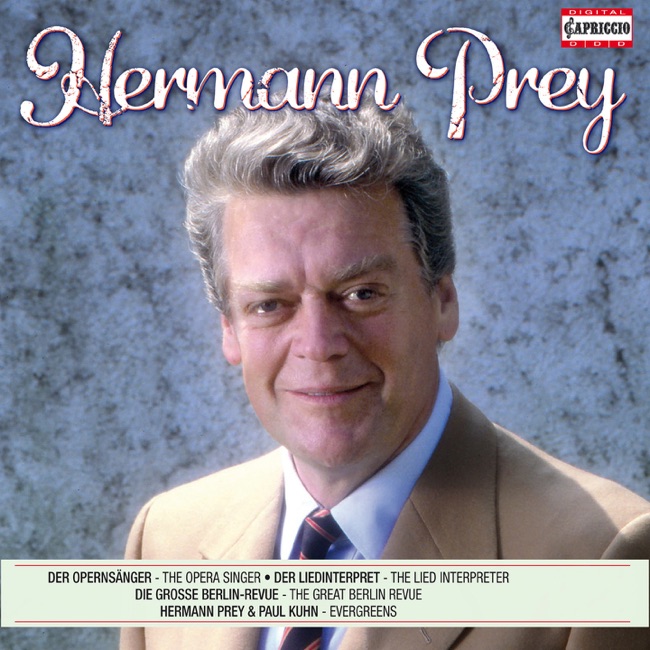
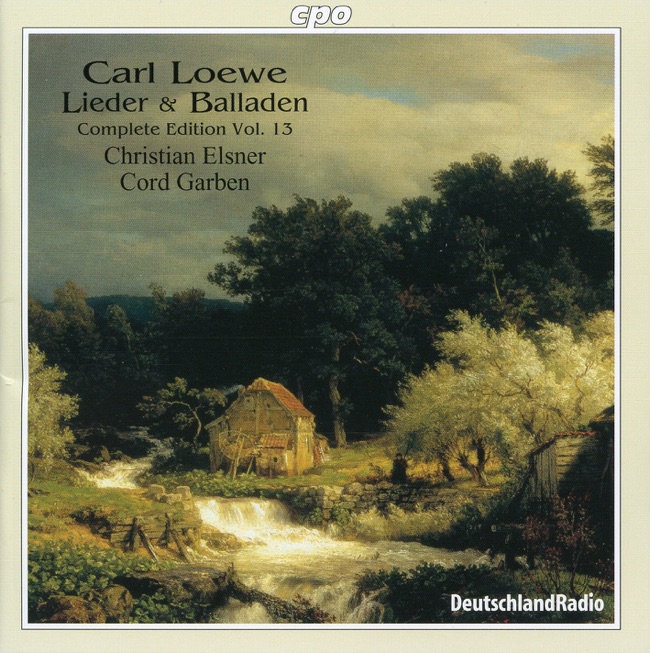
Featured Album
Works Info
Composer:Carl LoeweGenre:VocalStyle:SongAverage_duration:3:47Carl Loewe's "Ballads (3), Op. 20: No. 2, Der Zauberlehrling, Op. 20/2" is a musical composition that was composed in 1826. The piece premiered in Berlin in the same year. The composition is part of a set of three ballads that Loewe composed, and it is the second ballad in the set. The piece is divided into three movements, each of which has its own distinct characteristics. The first movement is slow and mysterious, with a haunting melody that sets the tone for the rest of the piece. The second movement is faster and more energetic, with a lively rhythm that captures the excitement of the story. The third movement is slower and more contemplative, with a gentle melody that brings the piece to a peaceful conclusion. The piece is based on the poem "Der Zauberlehrling" (The Sorcerer's Apprentice) by Johann Wolfgang von Goethe. The poem tells the story of a young apprentice who tries to use his master's magic to do his chores for him, but ends up causing chaos and destruction instead. Loewe's composition captures the drama and humor of the story, with its shifting moods and vivid imagery. One of the most striking characteristics of the piece is its use of vocal techniques. Loewe employs a variety of vocal techniques, including recitative, aria, and choral singing, to bring the story to life. The piece also features a range of instrumental textures, from the delicate sound of the harp to the powerful sound of the full orchestra. Overall, "Ballads (3), Op. 20: No. 2, Der Zauberlehrling, Op. 20/2" is a masterful composition that showcases Loewe's skill as a composer and his ability to bring a story to life through music. Its memorable melodies, vivid imagery, and dramatic vocal and instrumental techniques make it a timeless classic that continues to captivate audiences today.More....
Works Music
Released Music
3
3:51
4
3:34
5
3:53
6
3:54
7
3:30
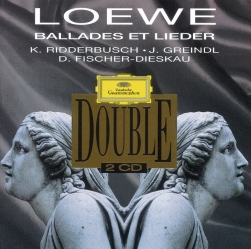
Featured Music
1
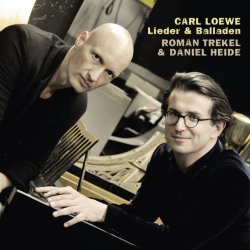
Ballads (3), Op. 20: no. 2, "The Sorcerer's Apprentice", Op. 20/2
Der Zauberlehrling, Op. 20/2
3:47
Main Perform Artists