György Ligeti
Movements (2) for string quartet
Released Album
Recent Album

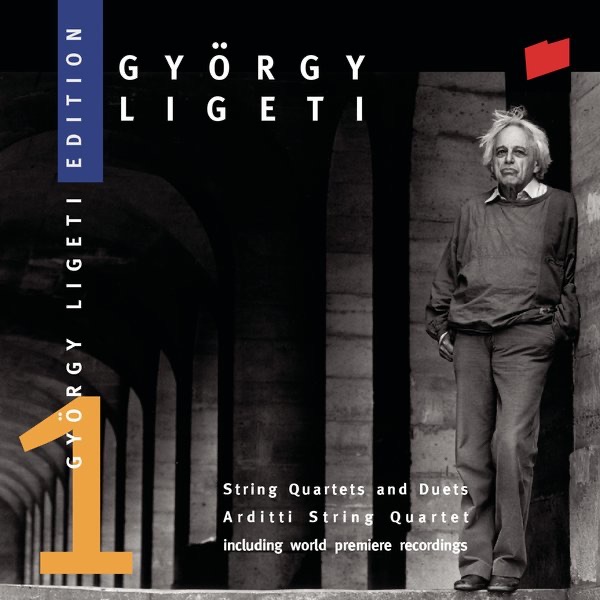
Featured Album

Works Info
Composer:György LigetiGenre:ChamberStyle:QuartetCompose Date:1950Average_duration:12:23György Ligeti's "Movements (2) for string quartet" is a composition that was completed in 1958. The piece was premiered on October 22, 1958, in Cologne, Germany, by the LaSalle Quartet. The work is divided into two movements, each with its own distinct characteristics. The first movement, marked "Allegro," is a frenzied and intense piece that is characterized by its use of complex rhythms and dissonant harmonies. The movement begins with a series of rapid, staccato notes that are played by all four instruments in unison. This is followed by a series of jagged, angular melodies that are passed between the instruments. The movement builds to a climax with a series of frenzied, virtuosic passages that are played by all four instruments simultaneously. The second movement, marked "Adagio, ma non troppo," is a much slower and more contemplative piece than the first movement. The movement begins with a series of long, sustained notes that are played by the cello. The other instruments gradually join in, creating a rich, sonorous texture. The movement is characterized by its use of microtonal harmonies, which create a sense of ambiguity and uncertainty. The movement ends with a series of soft, delicate chords that gradually fade away. Overall, "Movements (2) for string quartet" is a challenging and complex work that showcases Ligeti's mastery of rhythm, harmony, and texture. The piece is notable for its use of dissonant harmonies, complex rhythms, and microtonal harmonies, which create a sense of tension and unease. Despite its difficulty, the piece has become a staple of the string quartet repertoire and is widely regarded as one of Ligeti's most important works.More....
Works Music
Released Music

Featured Music