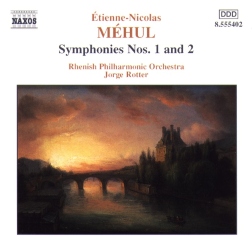
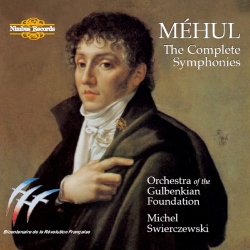
Etienne-Nicolas Méhul
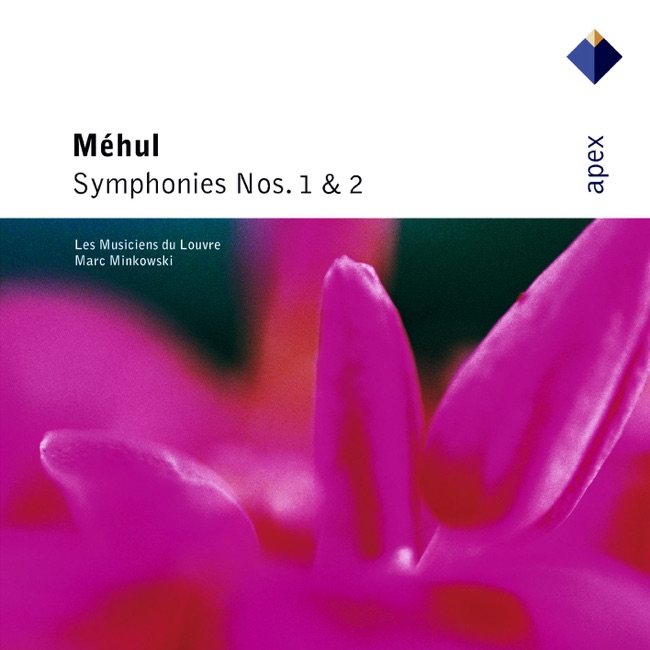
Symphony No. 2 in D major
Released Album
Recent Album
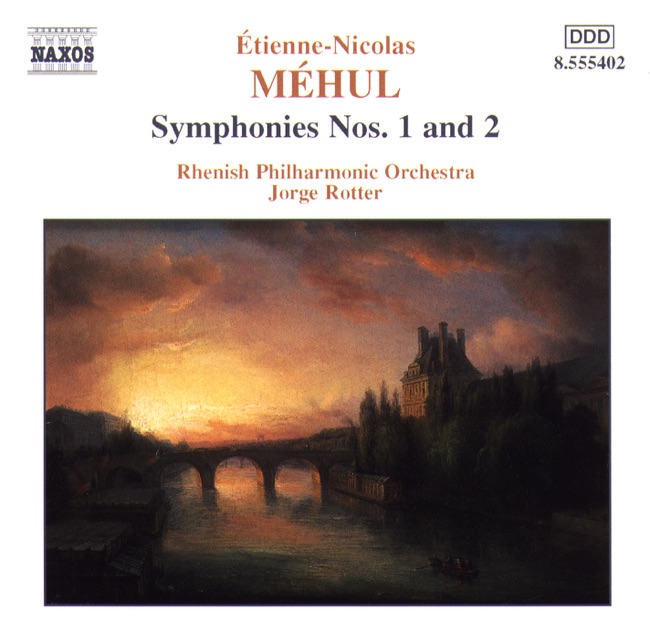
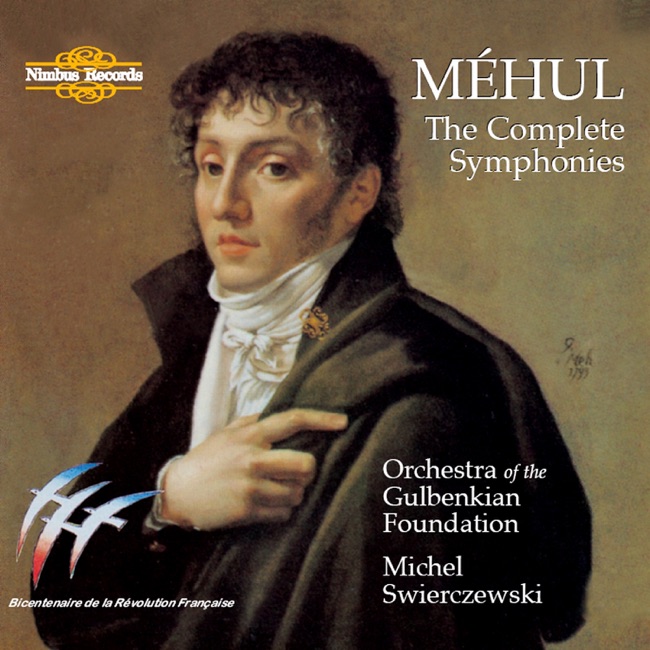
Works Info
Composer:Etienne-Nicolas MéhulGenre:SymphonyStyle:SymphonyCompose Date:1808 - 1809Average_duration:26:58Symphony No. 2 in D major is a four-movement symphony composed by Etienne-Nicolas Méhul. It was composed in 1808 and premiered on January 31, 1809, at the Théâtre Feydeau in Paris. The symphony is scored for two flutes, two oboes, two clarinets, two bassoons, two horns, two trumpets, timpani, and strings. The first movement, marked Allegro con brio, begins with a bold and energetic theme in the strings. The theme is then passed to the woodwinds and brass, creating a sense of excitement and anticipation. The development section explores the themes further, with the orchestra building to a dramatic climax before returning to the opening theme. The second movement, marked Adagio, is a lyrical and expressive piece. The strings introduce a beautiful melody, which is then taken up by the woodwinds. The movement is characterized by its use of rich harmonies and expressive phrasing. The third movement, marked Menuetto, is a lively and playful dance. The main theme is introduced by the strings and is then passed to the woodwinds. The trio section features a contrasting melody, played by the horns and bassoons. The final movement, marked Allegro vivace, is a lively and energetic piece. The movement begins with a fanfare-like theme in the brass, which is then taken up by the strings. The development section features a fugue-like passage, with the orchestra building to a thrilling climax before returning to the opening theme. Overall, Symphony No. 2 in D major is a masterful work that showcases Méhul's skill as a composer. The symphony is characterized by its use of bold themes, rich harmonies, and expressive phrasing. It is a testament to Méhul's contribution to the development of the symphonic form in the early 19th century.More....
Works Music
Released Music
2
7:29