


Jan Pieterszoon Sweelinck
Beati pauperes spiritu (Cantiones Sacrae No. 6)
Released Album
Recent Album
Works Info
Composer:Jan Pieterszoon SweelinckGenre:ChoralStyle:ChoralPublication Date:1619Average_duration:4:52Jan Pieterszoon Sweelinck was a Dutch composer and organist of the late Renaissance and early Baroque periods. He was born in Deventer, Netherlands, in 1562 and died in Amsterdam in 1621. Sweelinck was one of the most important composers of his time, and his music had a significant influence on the development of Baroque music. One of Sweelinck's most famous works is "Beati pauperes spiritu (Cantiones Sacrae No. 6)," which was composed in 1614. The piece is a setting of the Beatitudes from the Gospel of Matthew, and it is written for six voices (SSATTB). The premiere of "Beati pauperes spiritu" is not known, but it was likely performed in a church in Amsterdam, where Sweelinck was the organist. The piece is part of a collection of sacred music called "Cantiones Sacrae," which Sweelinck published in 1619. "Beati pauperes spiritu" is divided into six movements, each of which corresponds to one of the Beatitudes. The first movement, "Beati pauperes spiritu," is a lively and joyful setting of the first Beatitude, which translates to "Blessed are the poor in spirit." The second movement, "Beati mites," is a gentle and peaceful setting of the second Beatitude, which translates to "Blessed are the meek." The third movement, "Beati qui lugent," is a mournful and expressive setting of the third Beatitude, which translates to "Blessed are those who mourn." The fourth movement, "Beati qui esuriunt," is a lively and energetic setting of the fourth Beatitude, which translates to "Blessed are those who hunger and thirst for righteousness." The fifth movement, "Beati misericordes," is a gentle and compassionate setting of the fifth Beatitude, which translates to "Blessed are the merciful." The final movement, "Beati mundo corde," is a joyful and triumphant setting of the sixth Beatitude, which translates to "Blessed are the pure in heart." "Beati pauperes spiritu" is a beautiful and expressive piece of music that showcases Sweelinck's skill as a composer. The piece is characterized by its rich harmonies, expressive melodies, and intricate counterpoint. It is a testament to Sweelinck's mastery of the polyphonic style of the late Renaissance, and it remains a beloved work of sacred music to this day.More....
Works Music
Released Music
3
5:52
4
4:34
5
4:34
6
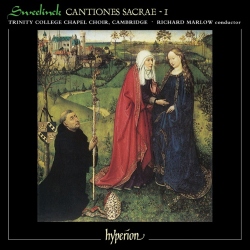
4:30
7
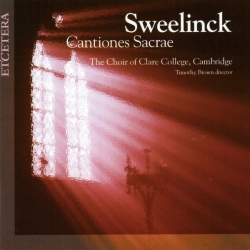
4:54
Main Perform Artists
Lute
Cello, Viol
Baroque Violin
Organ, Virginal
Viol
Cornet, Shawm