


Giovanni Battista Fontana
Sonata No. 15 for 2 cornettos, dulcian, organ & continuo
Released Album
Recent Album

Works Info
Composer:Giovanni Battista FontanaStyle:SonataAverage_duration:4:35Giovanni Battista Fontana's Sonata No. 15 for 2 cornettos, dulcian, organ & continuo is a Baroque instrumental work that was composed in the early 17th century. The exact date of composition is unknown, but it is believed to have been written between 1615 and 1620. The sonata is one of Fontana's most famous works and is considered a masterpiece of the early Baroque period. The sonata is divided into four movements, each with its own distinct character and style. The first movement is a lively and energetic canzona, featuring intricate counterpoint and virtuosic solo passages for the cornettos and dulcian. The second movement is a slow and expressive aria, with a beautiful melody that is passed between the instruments. The third movement is a lively and dance-like galliard, featuring syncopated rhythms and playful melodies. The final movement is a fast and virtuosic toccata, showcasing the technical abilities of the performers. One of the most notable characteristics of the sonata is its use of contrasting textures and timbres. The cornettos and dulcian provide a rich and colorful sound, while the organ and continuo provide a solid foundation and rhythmic drive. The sonata also features a wide range of dynamic contrasts, from soft and delicate passages to loud and powerful sections. The premiere of Sonata No. 15 for 2 cornettos, dulcian, organ & continuo is unknown, but it was likely performed in a church or palace setting. The sonata was written during a time of great musical innovation and experimentation, and it reflects the emerging Baroque style with its use of virtuosic solo passages, intricate counterpoint, and expressive melodies. Overall, Sonata No. 15 for 2 cornettos, dulcian, organ & continuo is a masterpiece of the early Baroque period, showcasing the technical abilities of the performers and the innovative musical ideas of the time. Its use of contrasting textures, dynamic contrasts, and expressive melodies make it a timeless work that continues to be performed and admired today.More....
Works Music
Released Music
1
Sonata No. 15 for 2 cornettos, dulcian, organ & continuo
Sonata XV a tre, due violini e trombone
5:
2
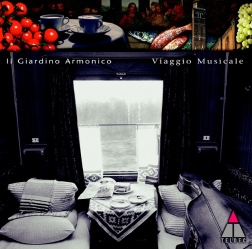
4:37
3
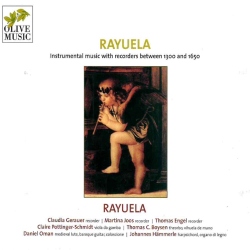
4:30
4

4:31