Matthias Weckmann
Toccata for harpsichord in C major
Released Album
Recent Album
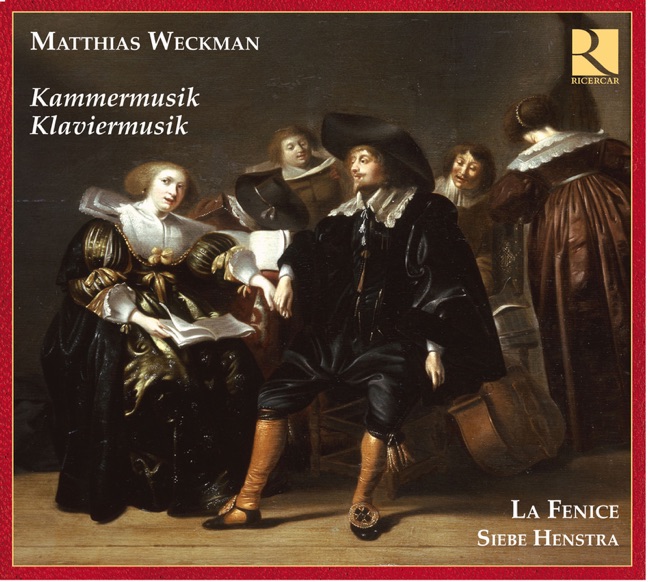
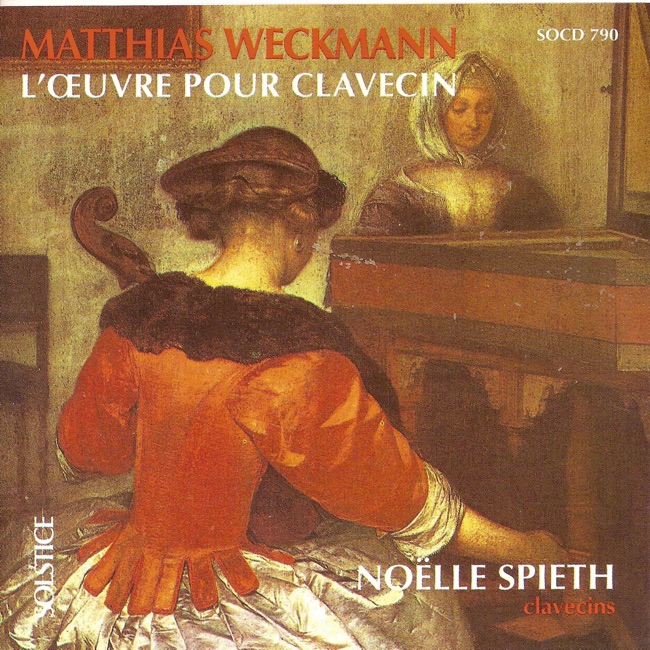
Works Info
Composer:Matthias WeckmannGenre:KeyboardStyle:KeyboardAverage_duration:2:56Matthias Weckmann was a German composer and organist of the Baroque era. He was born in 1616 in Thuringia and died in 1674 in Hamburg. Weckmann was a student of Heinrich Schütz and was greatly influenced by the music of Johann Jakob Froberger. He was known for his keyboard music, particularly his toccatas, which were highly virtuosic and expressive. The Toccata for harpsichord in C major is one of Weckmann's most famous works. It was composed in the mid-17th century and premiered in Hamburg. The piece is in three movements: a fast and lively toccata, a slower and more contemplative adagio, and a final toccata that brings the piece to a thrilling conclusion. The first movement of the Toccata for harpsichord in C major is characterized by its fast and virtuosic passages. The harpsichordist is required to play with great speed and precision, navigating through intricate runs and arpeggios. The music is highly ornamented, with trills, mordents, and other embellishments adding to the overall complexity of the piece. The movement is in binary form, with two contrasting sections that are repeated. The second movement of the Toccata for harpsichord in C major is a slow and introspective adagio. The music is more lyrical and expressive than the first movement, with long, flowing lines that showcase the harpsichord's ability to sustain notes. The movement is in ternary form, with a central section that provides a contrast to the outer sections. The final movement of the Toccata for harpsichord in C major is a return to the fast and virtuosic style of the first movement. The music is highly energetic and exciting, with the harpsichordist once again required to play with great speed and precision. The movement is in rondo form, with a recurring theme that is interspersed with contrasting sections. Overall, the Toccata for harpsichord in C major is a highly virtuosic and expressive work that showcases Weckmann's skill as a composer and his understanding of the harpsichord as an instrument. The piece is a testament to the Baroque era's fascination with virtuosity and ornamentation, and remains a popular work in the harpsichord repertoire to this day.More....
Works Music