


Marc-Antoine Charpentier
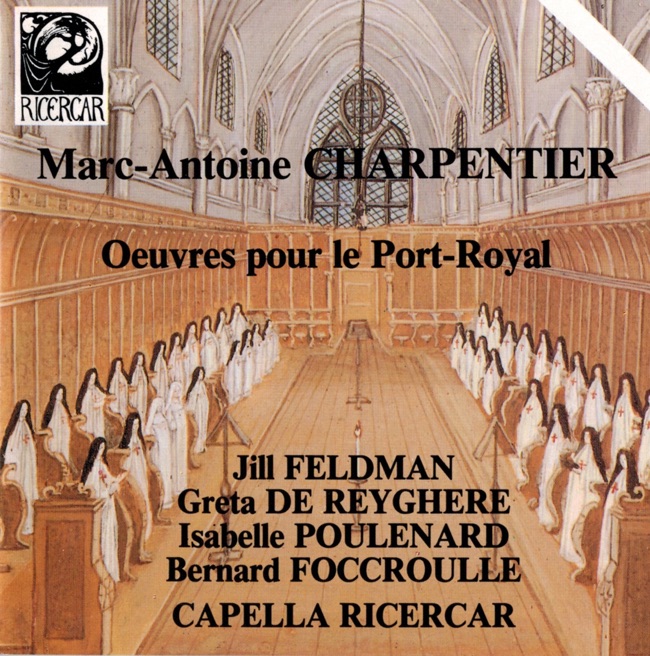
Dixit Dominus, Pour le Port Royal, H. 226
Released Album
Recent Album
Works Info
Composer:Marc-Antoine CharpentierGenre:ChoralStyle:ChoralAverage_duration:7:12Movement_count:10Movement ....Dixit Dominus, Pour le Port Royal, H. 226 is a sacred choral work composed by Marc-Antoine Charpentier in the late 17th century. The piece was composed in 1688 and premiered at the convent of Port-Royal in Paris, France. The work is divided into nine movements, each of which is based on a verse from Psalm 109. The first movement, "Dixit Dominus," is a grand opening chorus that sets the tone for the entire work. The music is characterized by its bold, majestic sound, with the choir and orchestra working together to create a powerful and uplifting atmosphere. The second movement, "Donec ponam," is a duet for two sopranos. The music is more subdued than the opening chorus, with the two voices weaving together in a delicate and intricate pattern. The third movement, "Virgam virtutis," is a solo for bass voice. The music is characterized by its rhythmic energy and driving momentum, with the bass voice soaring over the top of the orchestra. The fourth movement, "Tecum principium," is a duet for alto and tenor voices. The music is more introspective than the previous movements, with the two voices blending together in a haunting and ethereal way. The fifth movement, "Juravit Dominus," is a solo for tenor voice. The music is characterized by its soaring melodies and virtuosic vocal lines, with the tenor voice reaching incredible heights of expression. The sixth movement, "Dominus a dextris tuis," is a duet for soprano and alto voices. The music is characterized by its delicate and intricate harmonies, with the two voices weaving together in a beautiful and intricate pattern. The seventh movement, "Judicabit in nationibus," is a solo for bass voice. The music is characterized by its rhythmic energy and driving momentum, with the bass voice soaring over the top of the orchestra. The eighth movement, "De torrente in via bibet," is a duet for soprano and alto voices. The music is more introspective than the previous movements, with the two voices blending together in a haunting and ethereal way. The final movement, "Gloria Patri," is a grand closing chorus that brings the work to a triumphant conclusion. The music is characterized by its bold, majestic sound, with the choir and orchestra working together to create a powerful and uplifting atmosphere. Overall, Dixit Dominus, Pour le Port Royal, H. 226 is a stunning example of Charpentier's mastery of choral composition. The work is characterized by its bold, majestic sound, intricate harmonies, and virtuosic vocal lines, and it remains a beloved piece of sacred music to this day.More....
Works Music
Released Music
1
3:38
2
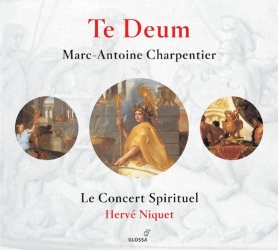
2:14
3
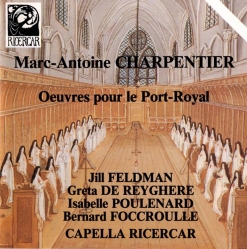
6:43