Igor Stravinsky
Etudes (4), Op. 7
Released Album
Recent Album
-

-

-

-

-

-

-

-
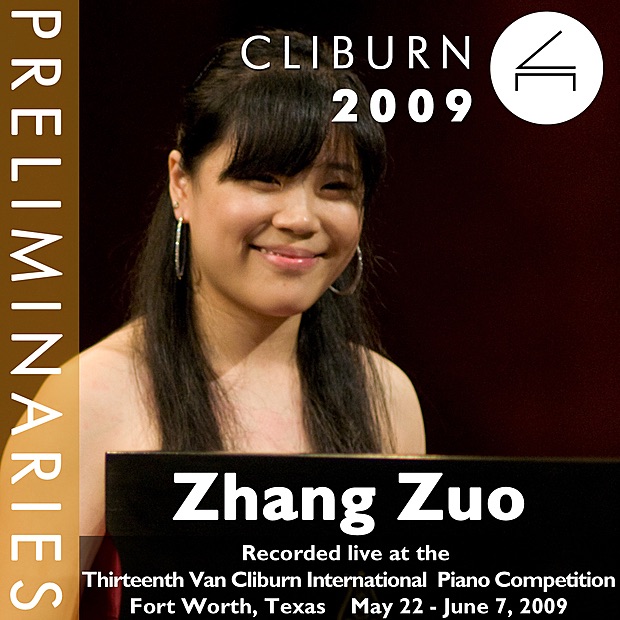 Zhang ZuoJune 22, 2009
 -

-

-

-

Featured Album


Works Info
Composer:Igor StravinskyGenre:KeyboardStyle:EtudeCompose Date:1908Average_duration:8:30Movement_count:4Movement ....Igor Stravinsky's 'Etudes (4), Op. 7' is a set of four piano pieces that were composed in 1908. The work was premiered by the composer himself on December 2, 1908, in St. Petersburg, Russia. The four movements of the piece are marked as follows: Con moto, Andante, Allegro, and Vivo. The first movement, Con moto, is characterized by its lively and energetic tempo. The piece is written in a fast 6/8 time signature, with a constant stream of sixteenth notes that create a sense of perpetual motion. The melody is fragmented and angular, with sudden shifts in dynamics and tempo that keep the listener engaged. The second movement, Andante, is a stark contrast to the first. It is slow and contemplative, with a mournful melody that is played in the lower register of the piano. The piece is marked by its use of dissonant harmonies and unresolved chords, which create a sense of tension and unease. The third movement, Allegro, is a playful and whimsical piece that is marked by its use of syncopated rhythms and unexpected accents. The melody is light and airy, with a sense of buoyancy that is reminiscent of a dance. The piece is characterized by its use of sudden shifts in dynamics and tempo, which keep the listener on their toes. The final movement, Vivo, is a virtuosic tour-de-force that showcases the technical prowess of the pianist. The piece is marked by its use of rapid-fire arpeggios and cascading runs, which create a sense of frenzied energy. The melody is fragmented and angular, with sudden shifts in dynamics and tempo that keep the listener engaged. Overall, 'Etudes (4), Op. 7' is a challenging and complex work that showcases Stravinsky's early experimentation with rhythm, harmony, and form. The piece is marked by its use of sudden shifts in dynamics and tempo, dissonant harmonies, and angular melodies, which create a sense of tension and unease. Despite its technical difficulty, the work remains a popular choice for pianists and audiences alike, and is considered a landmark in the development of modernist music.More....
Works Music
Released Music








9

2:8

Featured Music