Giovanni Maria Trabaci
Gagiliarda quarta "Alla Spagnola"
Released Album
Recent Album
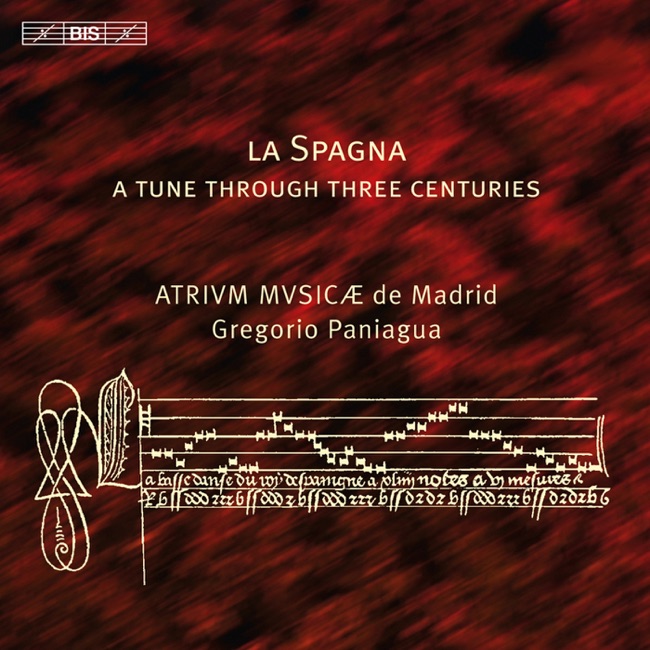
Works Info
Composer:Giovanni Maria TrabaciGenre:MiscellaneousStyle:MiscellaneousAverage_duration:4:24Giovanni Maria Trabaci was an Italian composer and organist who lived during the late Renaissance and early Baroque periods. He was born in Naples in 1575 and died there in 1647. Trabaci was a prolific composer of keyboard music, and his works are considered to be some of the finest examples of the Italian keyboard tradition. One of Trabaci's most famous works is the "Gagliarda quarta Alla Spagnola," which was composed for keyboard in the early 17th century. The piece is a lively dance in triple meter, and it is characterized by its energetic rhythms and virtuosic keyboard writing. The "Gagliarda quarta Alla Spagnola" is divided into three main sections, or movements. The first movement is marked by its fast tempo and lively rhythms, which are reminiscent of the Spanish dance form known as the "galliarda." The second movement is slower and more lyrical, with a more melodic and expressive character. The final movement returns to the fast tempo and energetic rhythms of the first movement, bringing the piece to a thrilling conclusion. One of the most notable characteristics of the "Gagliarda quarta Alla Spagnola" is its use of ornamentation. Trabaci was known for his skillful use of ornamentation in his keyboard music, and this piece is no exception. The piece is filled with trills, turns, and other embellishments that add to its virtuosic character. Overall, the "Gagliarda quarta Alla Spagnola" is a prime example of Trabaci's skill as a composer and keyboardist. Its lively rhythms, virtuosic keyboard writing, and skillful use of ornamentation make it a favorite among keyboard players and audiences alike. The piece premiered in the early 17th century and continues to be performed and enjoyed by musicians around the world today.More....
Works Music
Released Music
1
Fourth Gagiliarda "Alla Spagnola"
Gagliarda Quarta à 5 alla Spagnola (from Il Secondo libro de ricercate, Naples)
3:12