Juan Cabanilles
Corrente Italiana
Released Album
Recent Album
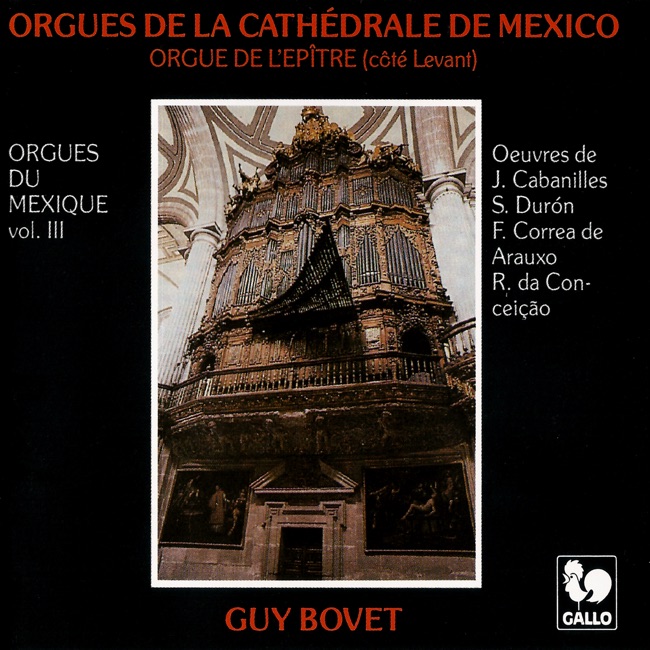
Featured Album
Works Info
Composer:Juan CabanillesGenre:KeyboardStyle:CouranteAverage_duration:4:01Juan Cabanilles was a Spanish composer and organist who lived during the Baroque period. He is known for his contributions to the development of the organ music genre, particularly in Spain. One of his most famous works is the "Corrente Italiana," a piece for organ that showcases his mastery of the instrument. The "Corrente Italiana" was composed in the late 17th century, during the height of the Baroque period. It is believed to have been premiered in Valencia, Spain, where Cabanilles served as the organist at the Cathedral of Valencia. The piece is written in the key of D minor and consists of three movements. The first movement of the "Corrente Italiana" is marked "Allegro," and it features a lively and energetic melody that is typical of the Baroque period. The second movement is marked "Adagio," and it is a slower and more contemplative piece that showcases Cabanilles' ability to create beautiful and expressive melodies. The final movement is marked "Allegro," and it features a return to the lively and energetic style of the first movement. One of the most notable characteristics of the "Corrente Italiana" is its use of counterpoint. Cabanilles was known for his skill in creating complex and intricate musical textures, and this piece is no exception. The use of counterpoint creates a rich and layered sound that is both impressive and beautiful. Another characteristic of the "Corrente Italiana" is its use of ornamentation. Cabanilles was known for his use of ornamentation in his organ music, and this piece is a prime example of his skill in this area. The use of trills, mordents, and other ornamentation adds a level of complexity and interest to the piece that is typical of the Baroque period. Overall, the "Corrente Italiana" is a beautiful and impressive piece of music that showcases Cabanilles' skill as a composer and organist. Its use of counterpoint and ornamentation, combined with its lively and energetic melodies, make it a classic example of Baroque organ music.More....
Works Music
Released Music
Featured Music