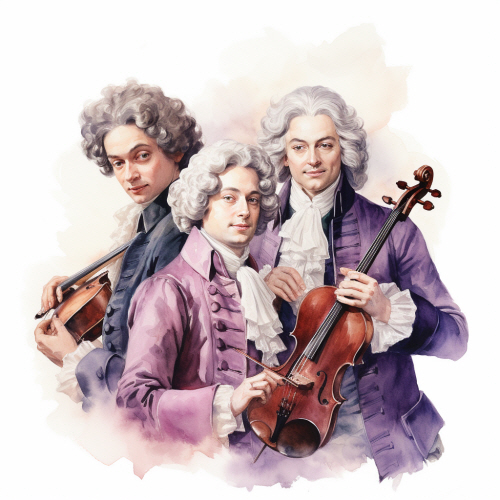
Heinrich Ignaz Franz von Biber
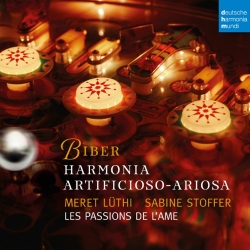
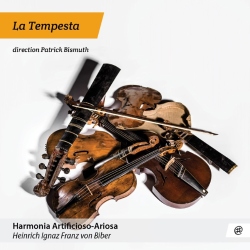
Harmonia Artificiosa-Ariosa (7), C. 62-68
Released Album
Recent Album

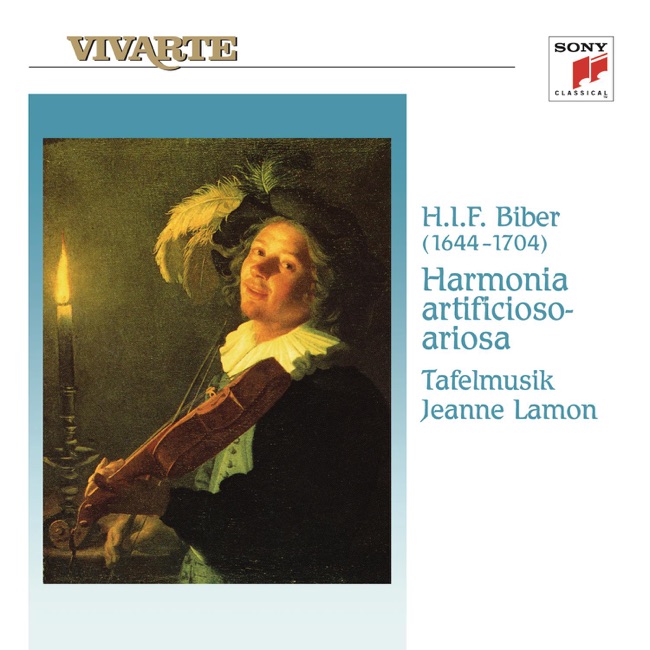
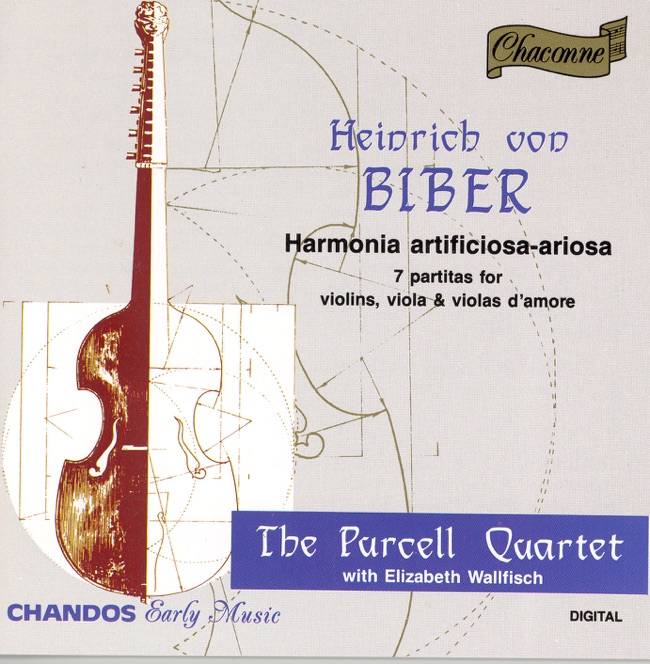
Featured Album
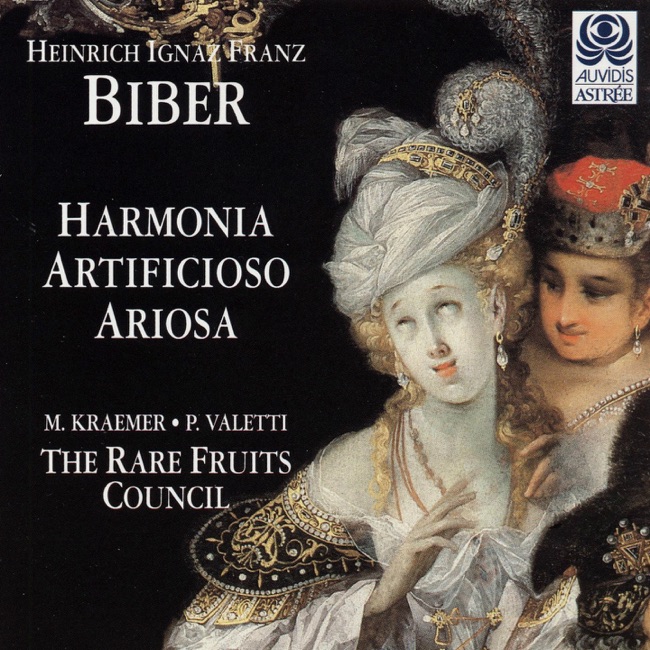
Works Info
Composer:Heinrich Ignaz Franz von BiberGenre:OrchestralStyle:OrchestralCompose Date:1696Publication Date:1696Average_duration:83:00Movement_count:39Movement ....Heinrich Ignaz Franz von Biber's 'Harmonia Artificiosa-Ariosa' is a collection of seven sonatas for two violins, viola da gamba, and basso continuo. The collection was composed in the late 17th century, with the exact date of composition unknown. The sonatas were first published in Salzburg in 1696. The seven sonatas in the collection are numbered C. 62-68. Each sonata consists of several movements, with the number of movements varying between sonatas. The first sonata, C. 62, has six movements, while the final sonata, C. 68, has eight movements. The sonatas in 'Harmonia Artificiosa-Ariosa' are characterized by their virtuosic violin writing and intricate counterpoint. Biber's use of scordatura, or alternate tunings, is also a notable feature of the collection. In several of the sonatas, the violins are tuned in unconventional ways, allowing for unique sonorities and technical challenges. The first sonata, C. 62, begins with a lively prelude followed by a series of dance movements, including a courante, sarabande, and gigue. The second sonata, C. 63, is notable for its use of a chaconne, a repeating harmonic progression over which the violinists improvise variations. The third sonata, C. 64, is perhaps the most famous of the collection, featuring Biber's use of scordatura to create a hauntingly beautiful sound. The violins are tuned in a way that allows for open strings to be played throughout the piece, creating a shimmering effect. The fourth sonata, C. 65, is a lively and virtuosic work, with the violins engaging in rapid passagework and intricate counterpoint. The fifth sonata, C. 66, is notable for its use of a passacaglia, a repeating bass line over which the violinists improvise variations. The sixth sonata, C. 67, is a more introspective work, with a melancholic opening adagio followed by a series of dance movements. The final sonata, C. 68, is a grand and virtuosic work, with the violins engaging in rapid passagework and intricate counterpoint. The sonata features a particularly challenging final movement, a fuga, in which the violinists engage in a complex and highly syncopated dialogue. Overall, 'Harmonia Artificiosa-Ariosa' is a masterful collection of sonatas that showcases Biber's virtuosic violin writing and innovative use of scordatura. The collection remains a staple of the Baroque violin repertoire to this day.More....
Works Music
Released Music
1

2:58
2
11:12

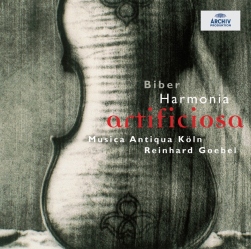
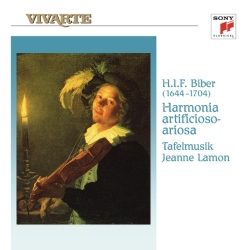
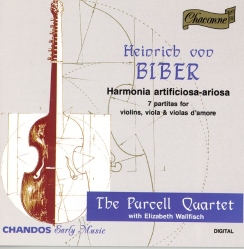
Featured Music
1
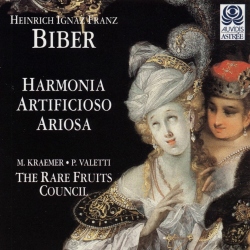
2:46
2
2:13
4
2:37
6
52
9
4:12
10
2:32
12
5:20