


Alessandro Scarlatti
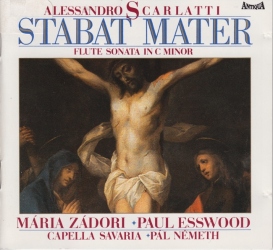
Sonata for flute, 2 violins, cello & continuo No. 3 in C minor
Released Album
Recent Album
Featured Album
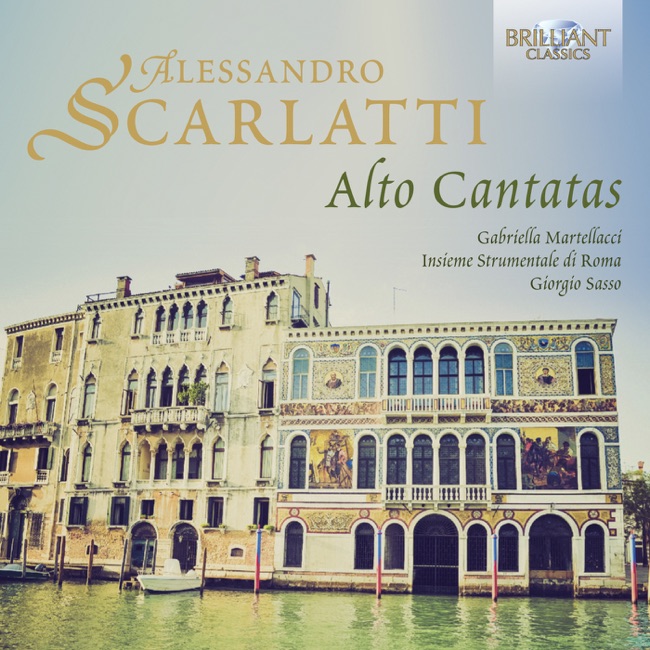
Works Info
Composer:Alessandro ScarlattiGenre:ChamberStyle:Chamber MusicCompose Date:1725Average_duration:7:25Alessandro Scarlatti's Sonata for flute, 2 violins, cello & continuo No. 3 in C minor is a Baroque chamber music piece composed in the early 18th century. The exact date of composition is unknown, but it is believed to have been written between 1700 and 1725. The sonata is in four movements and is approximately 12 minutes in length. The sonata premiered during the Baroque era, a time when music was characterized by elaborate ornamentation, complex harmonies, and a focus on instrumental music. Scarlatti's sonata is a prime example of this style, with its intricate melodies and harmonies, and its use of counterpoint and polyphony. The first movement of the sonata is marked "Adagio," and is in C minor. It begins with a slow, mournful melody played by the flute, which is then echoed by the violins. The cello and continuo provide a steady bass line, while the other instruments weave intricate melodies around it. The movement is characterized by its use of suspensions and dissonances, which create a sense of tension and drama. The second movement is marked "Allegro," and is in C major. It is a lively, dance-like piece, with a jaunty melody played by the flute. The violins provide a counterpoint to the flute's melody, while the cello and continuo provide a steady rhythm. The movement is characterized by its use of syncopation and its playful, upbeat mood. The third movement is marked "Largo," and is in A-flat major. It is a slow, lyrical piece, with a beautiful melody played by the flute. The violins provide a delicate accompaniment, while the cello and continuo provide a gentle, flowing bass line. The movement is characterized by its use of ornamentation and its expressive, emotional quality. The final movement is marked "Allegro," and is in C minor. It is a fast, energetic piece, with a lively melody played by the flute. The violins provide a counterpoint to the flute's melody, while the cello and continuo provide a driving rhythm. The movement is characterized by its use of virtuosic flourishes and its dramatic, intense mood. Overall, Scarlatti's Sonata for flute, 2 violins, cello & continuo No. 3 in C minor is a beautiful example of Baroque chamber music. Its intricate melodies, complex harmonies, and expressive qualities make it a timeless piece that continues to be enjoyed by audiences today.More....
Works Music
Released Music
1
1:40
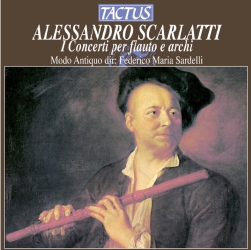
3
1:27
4
1:28
Featured Music
1
2:19
2
2:1
3
2:1
4
1:42
5
39