


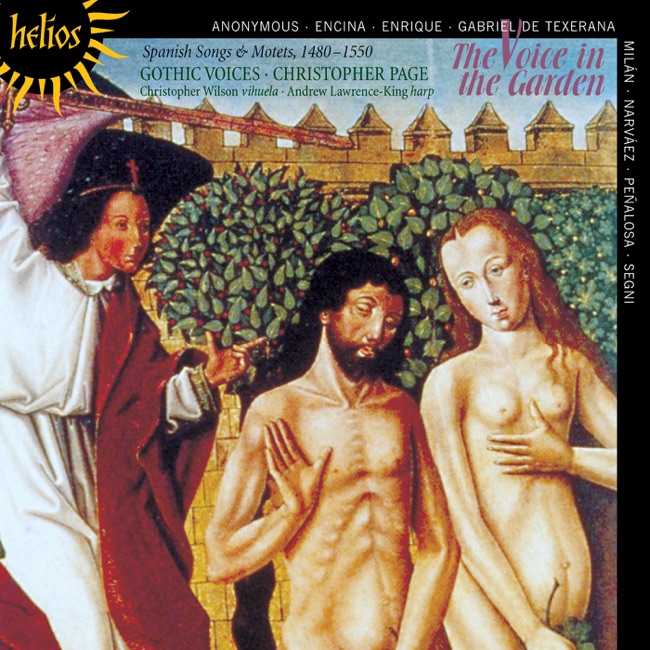
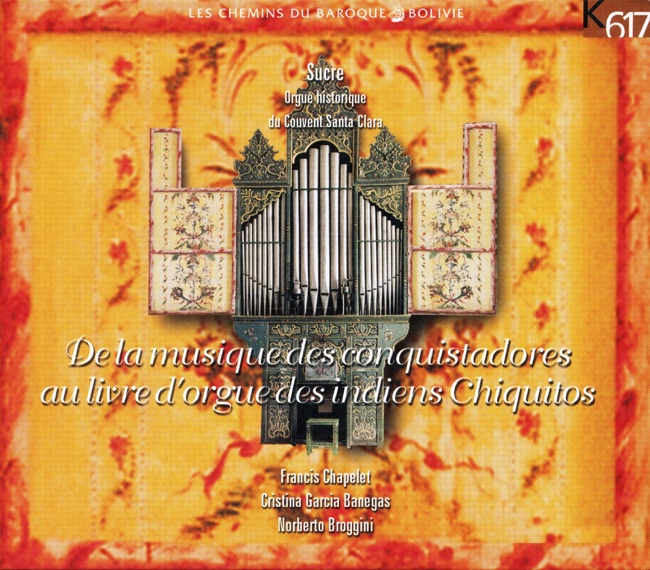
Julius da Modena (aka Julio Segni)
Tiento del IV tono
Released Album
Recent Album
Works Info
Composer:Julius da Modena (aka Julio Segni)Average_duration:2:49"Tiento del IV tono" is a composition by Julius da Modena, also known as Julio Segni, a Spanish composer and organist who lived in the 16th century. The piece was composed for the organ and is considered one of the most important works of the Spanish Renaissance. The composition is believed to have been written in the late 16th century, although the exact date is unknown. It was first performed in Spain, where it received critical acclaim and became a popular piece among organists. "Tiento del IV tono" is divided into three movements, each with its own distinct characteristics. The first movement is marked by a slow and solemn tempo, with a strong emphasis on the bass notes. The second movement is faster and more lively, with a playful melody that is repeated throughout the piece. The final movement is the most complex, with intricate harmonies and a virtuosic organ solo. One of the most notable characteristics of "Tiento del IV tono" is its use of counterpoint, a technique in which two or more melodies are played simultaneously. This creates a rich and complex texture that is typical of Renaissance music. The piece also features a variety of dynamic contrasts, with sudden shifts in volume and intensity that add to its dramatic effect. Overall, "Tiento del IV tono" is a masterpiece of Spanish Renaissance music, showcasing the skill and creativity of Julius da Modena. Its intricate harmonies, virtuosic organ solos, and use of counterpoint make it a challenging and rewarding piece for organists to perform.More....
Works Music
Released Music
1
2:59
2
3:10
3
2:11