


Julius da Modena (aka Julio Segni)
Released Album
Keyboard
-
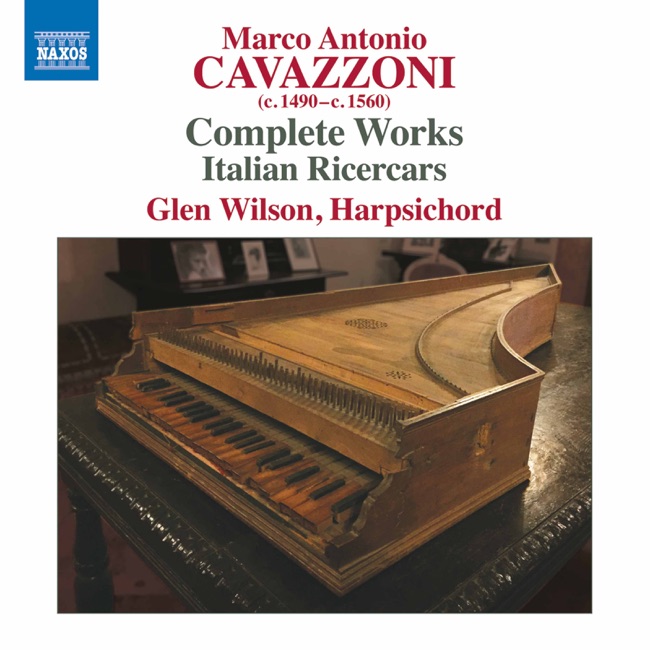 October 13, 2017
 -
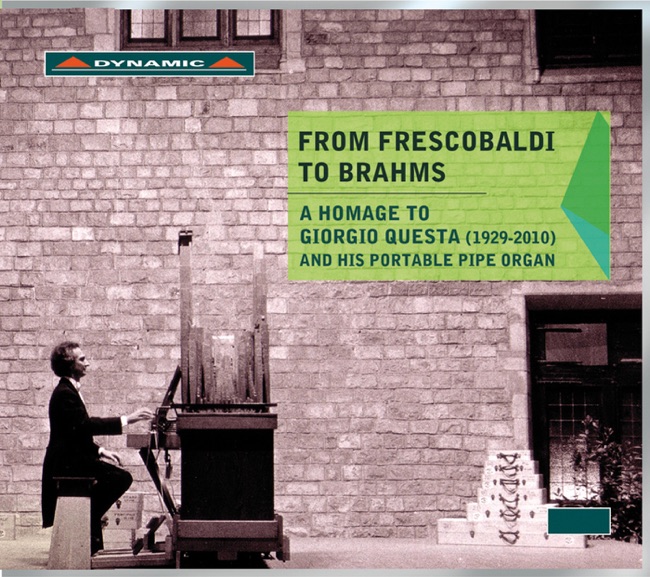 June 28, 2011
Miscellaneous
-
 September 10, 1992
Artist Info
Role:ComposerBirth:1498Death:1561Julius da Modena, also known as Julio Segni, was a classical music composer born in Modena, Italy in 1840. He was born into a family of musicians, with his father being a violinist and his mother a pianist. From a young age, Julius showed a natural talent for music and began studying the piano and violin under his parents' guidance. As he grew older, Julius began to show a particular interest in composition and began studying with local composers in Modena. He quickly gained a reputation as a talented young composer and was soon commissioned to write music for local events and performances. In 1860, Julius moved to Paris to further his studies in composition. He studied under some of the most renowned composers of the time, including Hector Berlioz and Charles Gounod. During his time in Paris, Julius also became involved in the city's vibrant music scene, attending concerts and performances and meeting other musicians and composers. In 1865, Julius returned to Italy and settled in Rome. It was here that he began to establish himself as a composer of note, with his works being performed at some of the city's most prestigious venues. His music was well-received by audiences and critics alike, with many praising his ability to blend traditional Italian melodies with more modern compositional techniques. One of Julius' most famous works is his opera, "La Contessa di Castiglione," which premiered in Rome in 1872. The opera tells the story of the Countess of Castiglione, a famous beauty and diplomat who was a prominent figure in the court of Napoleon III. The opera was a critical and commercial success, cementing Julius' reputation as one of Italy's most promising young composers. Over the next few years, Julius continued to compose music for a variety of genres, including chamber music, orchestral works, and vocal pieces. His music was characterized by its lyrical melodies, rich harmonies, and sophisticated use of orchestration. In 1880, Julius was appointed as the director of the Conservatory of Music in Naples, a position he held for several years. During his time at the conservatory, Julius worked to modernize the curriculum and introduce new teaching methods, helping to shape the next generation of Italian musicians. Despite his success as a composer and educator, Julius' personal life was marked by tragedy. His wife died in 1885, leaving him to raise their two young children alone. Julius continued to compose and perform, but his grief was evident in his music, which became more introspective and melancholy. Julius died in 1905 at the age of 65. He left behind a legacy as one of Italy's most important composers of the late 19th century, with a body of work that continues to be performed and admired to this day. His music remains a testament to his talent and his love of the art form, and his contributions to the world of classical music will not be forgotten.More....
Recent Artist Music
1
2:59
3
2:11
4
3:10

7
Tiento in the sixth tone (from Musica Nova) (Libro de Cifra Nueva 52, attr. Cabezón)
Tiento in the sixth tone from Musica Nova (Libro de Cifra Nueva 52, attr. Cabezón)
3:4

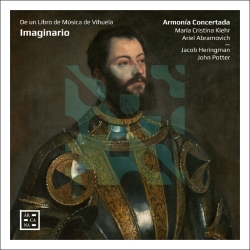
14
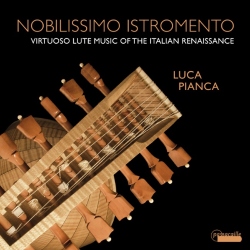
1:51

Copyright Ⓒ 2013 Davinci Finger. All rights reseved
Service Terms & Policy