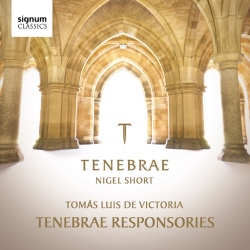
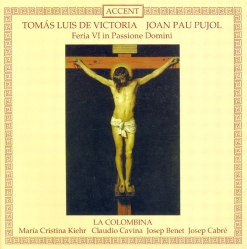
Tomás Luis de Victoria
Caligaverunt oculi mei
Released Album
Recent Album
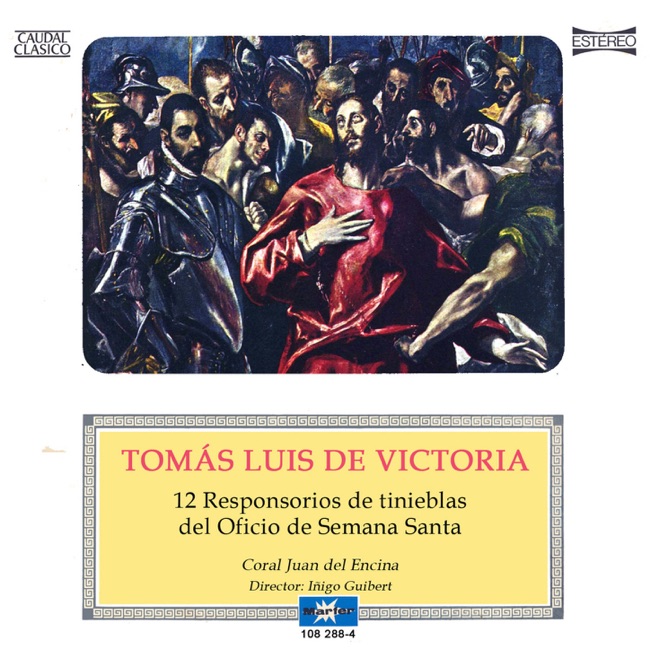
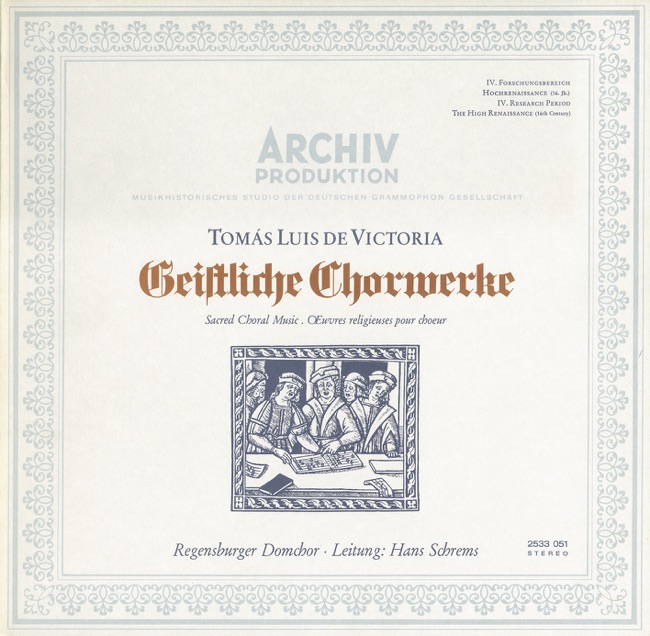
Featured Album
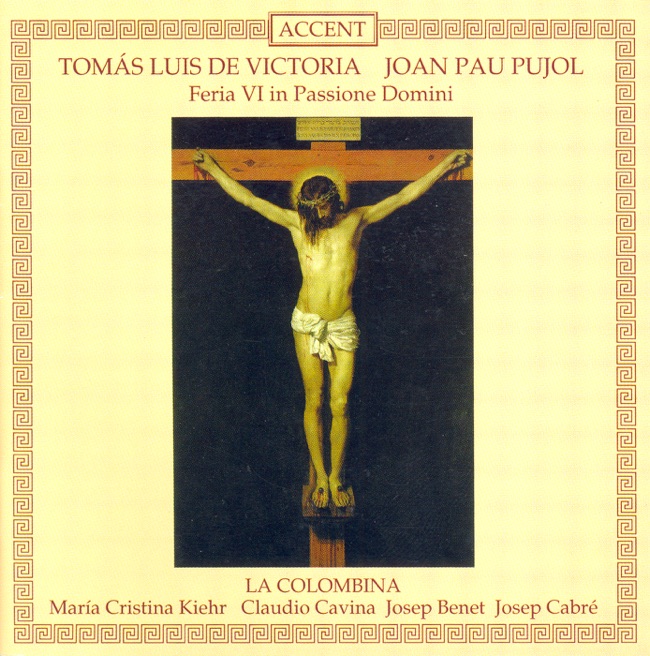
Works Info
Composer:Tomás Luis de VictoriaGenre:ChoralStyle:ChoralPublication Date:1585Average_duration:5:07"Caligaverunt oculi mei" is a sacred motet composed by the Spanish composer Tomás Luis de Victoria. The piece was composed in the late 16th century, during the Renaissance period, and was first performed in the context of the Holy Week liturgy. The motet is part of a larger collection of works by Victoria, which includes some of the most significant sacred music of the period. The piece is divided into three movements, each of which is characterized by a distinct musical style and mood. The first movement is a somber and mournful setting of the text, which describes the suffering of Christ on the cross. The second movement is more lively and energetic, with a faster tempo and more complex harmonies. The final movement returns to the somber mood of the first, with a slower tempo and more restrained musical style. One of the most notable characteristics of "Caligaverunt oculi mei" is its use of polyphony, which was a hallmark of Renaissance music. The piece features multiple vocal parts, each of which sings a different melody and rhythm, creating a complex and richly textured musical tapestry. The harmonies are also complex, with dissonances and suspensions that create a sense of tension and release. Another notable characteristic of the piece is its use of word painting, which was a common technique in Renaissance music. The music is closely tied to the text, with the melodies and harmonies reflecting the meaning of the words. For example, the somber and mournful mood of the first movement is reflected in the slow tempo and minor key, while the more lively and energetic second movement reflects the text's description of the "shaking of the earth" at the moment of Christ's death. Overall, "Caligaverunt oculi mei" is a powerful and moving piece of sacred music that reflects the deep religious faith and artistic skill of its composer. Its use of polyphony, word painting, and complex harmonies make it a masterpiece of Renaissance music, and it continues to be performed and admired by musicians and audiences around the world.More....
Works Music
Released Music
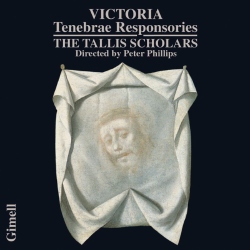
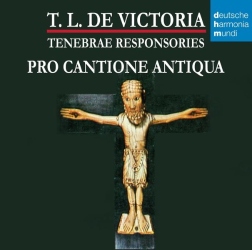
Featured Music