


Johann Sebastian Bach
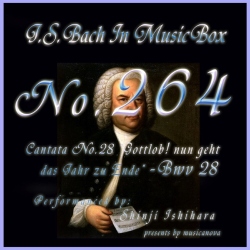
Cantata No. 28, "Gottlob! nun geht das Jahr zu Ende", BWV 28
Released Album
Recent Album
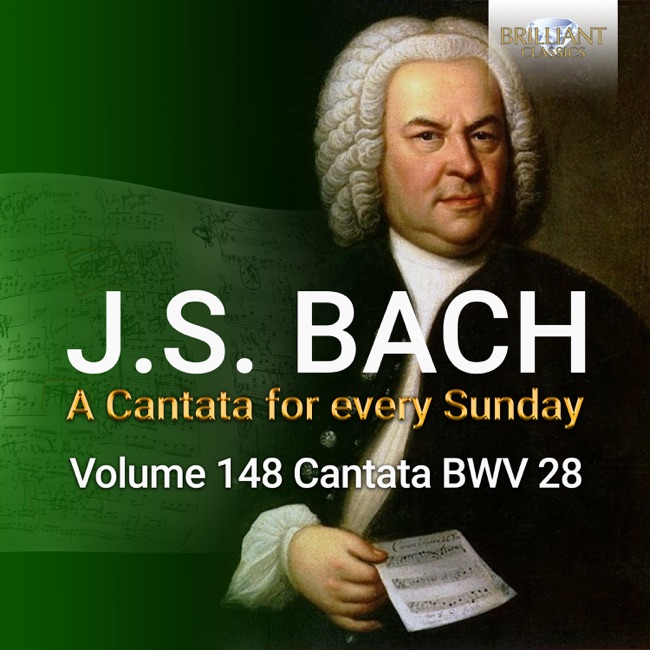

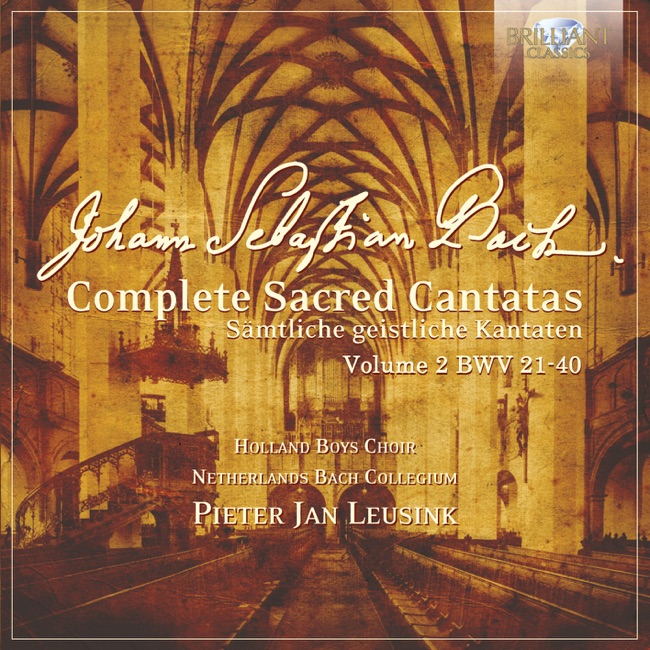
Featured Album
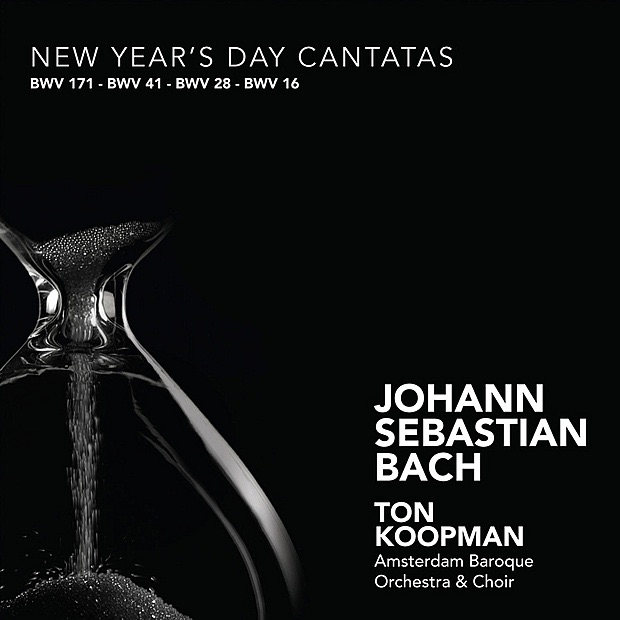
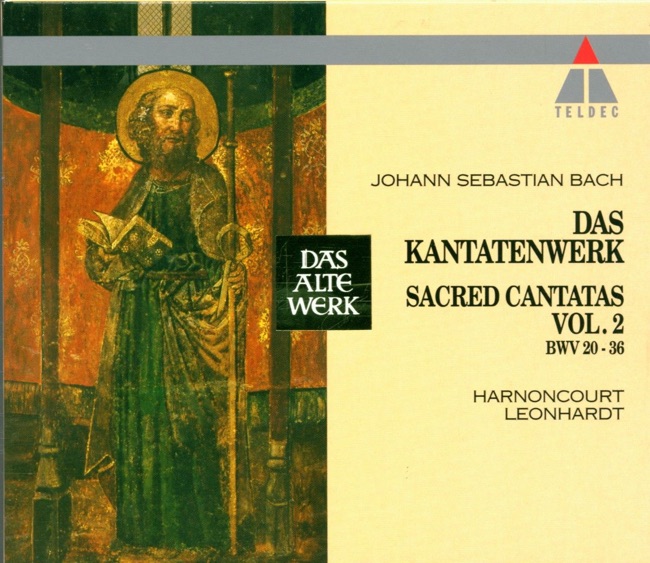
Works Info
Composer:Johann Sebastian BachGenre:ChoralStyle:CantataCompose Date:Dec 30, 1725Publication Date:1855First Performance:Dec 30, 1725Average_duration:15:47Movement_count:6Movement ....Johann Sebastian Bach composed Cantata No. 28, Gottlob! nun geht das Jahr zu Ende, BWV 28, in 1725. The cantata was premiered on December 30, 1725, at the St. Thomas Church in Leipzig, Germany. The cantata is divided into six movements and is scored for four vocal soloists, a four-part choir, and a Baroque orchestra consisting of two oboes, two violins, viola, and basso continuo. The first movement is a chorale fantasia based on the hymn "Gottlob! nun geht das Jahr zu Ende" (Praise God! Now the year is coming to an end). The movement features a complex interplay between the choir and the orchestra, with the choir singing the hymn melody in long notes while the orchestra provides a lively accompaniment. The second movement is a recitative for the bass soloist, who reflects on the passing of time and the need to prepare for the coming year. The recitative is accompanied by a simple basso continuo. The third movement is an aria for the tenor soloist, who sings of the joys and sorrows of the past year. The aria is accompanied by a solo violin, which weaves a delicate and intricate melody around the tenor's vocal line. The fourth movement is a recitative for the alto soloist, who urges the listener to reflect on their sins and seek forgiveness before the new year begins. The recitative is accompanied by a somber and introspective basso continuo. The fifth movement is an aria for the soprano soloist, who sings of the hope and promise of the new year. The aria is accompanied by a pair of oboes, which provide a bright and cheerful counterpoint to the soprano's soaring vocal line. The final movement is a chorale, in which the choir and orchestra join together to sing the hymn "Nun lob, mein Seel, den Herren" (Now praise, my soul, the Lord). The movement is a joyful and triumphant celebration of the new year and the blessings that it will bring. Overall, Cantata No. 28 is a reflective and introspective work that encourages the listener to take stock of the past year and prepare for the new one. The cantata's complex interplay between the vocal soloists, choir, and orchestra, as well as its intricate melodies and harmonies, make it a masterpiece of Baroque music.More....
Works Music
Released Music
1
Cantata no. 28, "Thank God! now the year is coming to an end", BWV 28
I. Aria. Gottlob! Nun geht das Jahr zu Ende
4:18
2
Cantata no. 28, "Thank God! now the year is coming to an end", BWV 28
II. Nun lob', mein Seel', den Herrn
4:6
3
Cantata no. 28, "Thank God! now the year is coming to an end", BWV 28
Helft mir Gotts Güte preisen
1:22
4
Cantata no. 28, "Thank God! now the year is coming to an end", BWV 28
VI. Gottlob! nun geht das Jahr zu Ende
1:44
5
Cantata no. 28, "Thank God! now the year is coming to an end", BWV 28
Helf't mir Gott's Güte preisen
1:46
6
3:42
7
Cantata no. 28, "Thank God! now the year is coming to an end", BWV 28
Nun lob, mein Seel, den Herren
4:15
8
Cantata no. 28, "Thank God! now the year is coming to an end", BWV 28
Helft mir Gott's Güte preisen
1:43
9
3:14
10
Cantata no. 28, "Thank God! now the year is coming to an end", BWV 28
I. Aria. Gottlob! Nun geht das Jahr zu Ende
4:18
Featured Music
1
Cantata no. 28, "Thank God! now the year is coming to an end", BWV 28
Aria. Gottlob! nun geht das Jahr zu Ende
4:30
2
Cantata no. 28, "Thank God! now the year is coming to an end", BWV 28
(Coro.) Nun lob, mein Seel, den Herren
4:58
3
Cantata no. 28, "Thank God! now the year is coming to an end", BWV 28
(Recitativo - Arioso.) So spricht der Herr
1:54
4
Cantata no. 28, "Thank God! now the year is coming to an end", BWV 28
Recitativo. Gott ist ein Quell, wo lauter Güte fleußt
1:3
5
Cantata no. 28, "Thank God! now the year is coming to an end", BWV 28
Aria (Duetto). Gott hat uns im heurigen Jahr gesegnet
2:32
6
Cantata no. 28, "Thank God! now the year is coming to an end", BWV 28
Choral. All solch dein Güt wir preisen
1:3
7
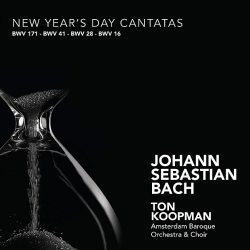
Cantata no. 28, "Thank God! now the year is coming to an end", BWV 28
Aria: Gottlob, nun geht das Jahr zu Ende
3:46
8
Cantata no. 28, "Thank God! now the year is coming to an end", BWV 28
Chorus: Nun lob, mein Seel, den Herren
3:43
9
Cantata no. 28, "Thank God! now the year is coming to an end", BWV 28
Recitative - Airoso: So spricht der Herr
1:50
10
Cantata no. 28, "Thank God! now the year is coming to an end", BWV 28
Recitative: Gott ist ein Quell, wo lauter Güte fleußt
1:11
11
Cantata no. 28, "Thank God! now the year is coming to an end", BWV 28
Aria (Duet): Gott hat uns in heurigen Jahr gesegnet
2:2
12
Cantata no. 28, "Thank God! now the year is coming to an end", BWV 28
Chorale: All solch dein Güt wir preisen
53