


John Cage
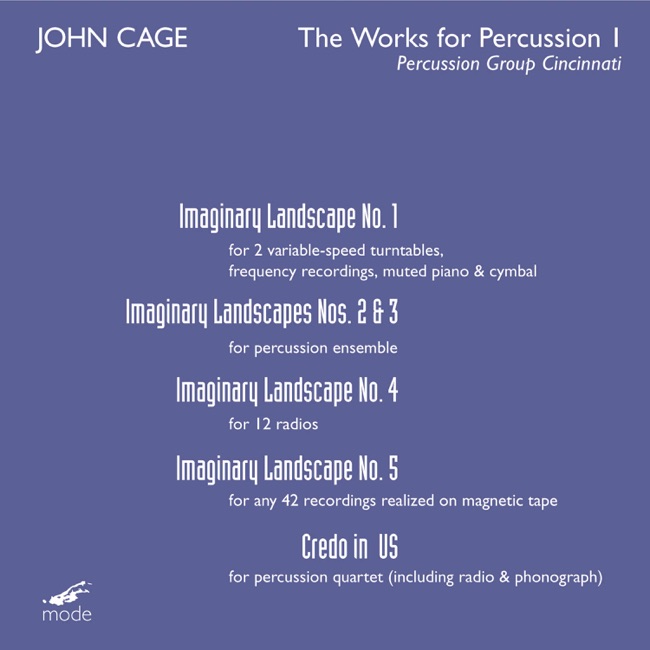
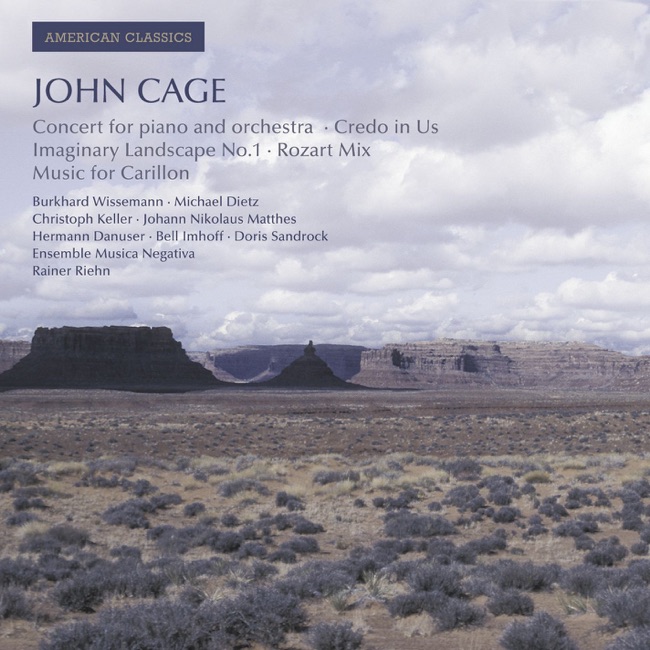
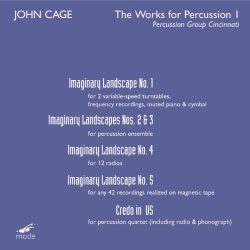
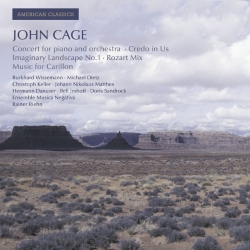
Credo in US
Released Album
Recent Album
-
-
-
-
-
 Various ArtistsNovember 24, 2008
 -
Works Info
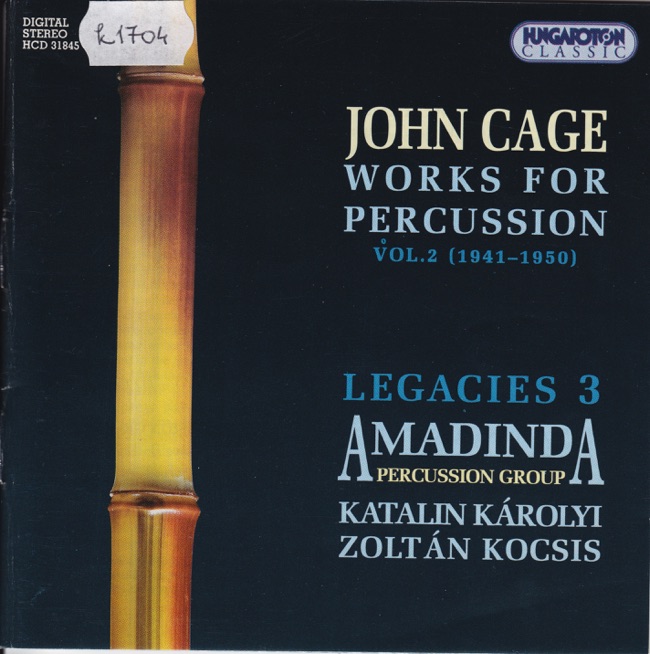
Composer:John CageGenre:ChamberStyle:Chamber MusicCompose Date:1942Average_duration:13:10Credo in US is a composition by John Cage, an American composer, philosopher, and writer. It was composed in 1942 and premiered on May 16, 1942, at the Cornish School of the Arts in Seattle, Washington. The composition is a four-movement work that features a combination of spoken word, percussion, and piano. The first movement of Credo in US is titled "Life." It features a spoken word text that is recited by a group of performers. The text is a collection of phrases and sentences that are meant to evoke the idea of life and its various aspects. The performers recite the text in a rhythmic and repetitive manner, creating a sense of urgency and intensity. The second movement, titled "The Earth," features a percussion ensemble that plays a variety of instruments, including drums, cymbals, and gongs. The percussionists create a complex and intricate rhythmic pattern that is meant to evoke the sounds and rhythms of the earth. The movement is characterized by its use of polyrhythms and complex time signatures. The third movement, titled "The Past," features a solo piano that plays a series of dissonant and fragmented chords. The chords are meant to evoke the idea of the past and its fragmented nature. The movement is characterized by its use of dissonance and its lack of a clear melodic structure. The final movement, titled "The Future," features a combination of spoken word and percussion. The performers recite a text that is meant to evoke the idea of the future and its potential. The percussionists create a rhythmic pattern that is meant to evoke the sounds and rhythms of the future. The movement is characterized by its use of repetition and its sense of forward momentum. Overall, Credo in US is a complex and innovative work that reflects Cage's interest in exploring new forms of musical expression. The composition is characterized by its use of spoken word, percussion, and piano, as well as its use of complex rhythms and dissonant harmonies. It is a testament to Cage's unique vision and his willingness to push the boundaries of traditional musical forms.More....
Works Music
Released Music

5
16:11
Main Perform Artists