Boris Kozhevnikov
Symphony No. 3 for wind symphony "Slavenska"
Released Album
Recent Album
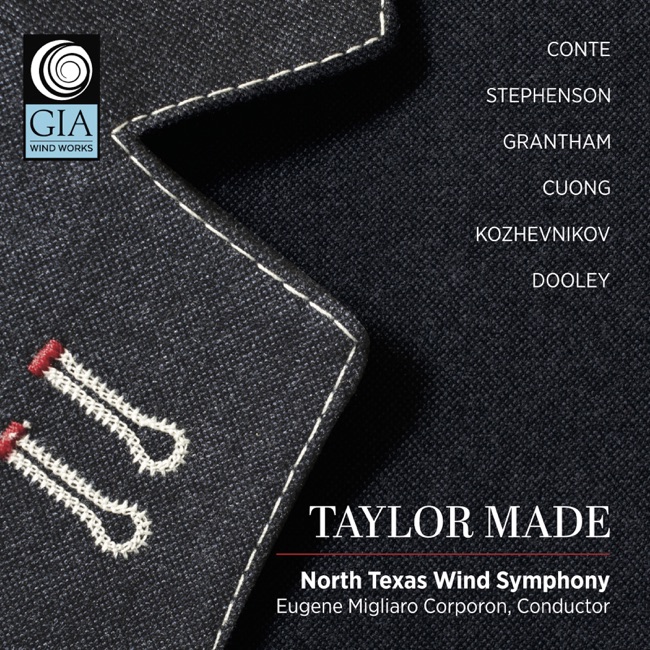

Works Info
Composer:Boris KozhevnikovGenre:SymphonyStyle:SymphonyCompose Date:1958Average_duration:14:04Movement_count:4Movement ....Symphony No. 3 for wind symphony Slavenska is a composition by Boris Kozhevnikov, a Russian composer and conductor. The symphony was composed in 1952 and premiered on May 1, 1953, in Moscow, Russia. The symphony is divided into four movements and is approximately 25 minutes in length. The first movement, marked Allegro moderato, begins with a lively and energetic theme played by the brass section. The theme is then passed on to the woodwinds and develops into a more complex and intricate melody. The movement features a variety of textures and dynamics, with the brass section often playing in unison and the woodwinds providing a more delicate and nuanced sound. The second movement, marked Andante, is a slower and more contemplative piece. The movement begins with a mournful melody played by the clarinet, which is then echoed by the other woodwinds. The movement gradually builds in intensity, with the brass section joining in and adding a sense of grandeur and majesty. The third movement, marked Scherzo, is a lively and playful piece. The movement features a fast and intricate melody played by the woodwinds, which is then echoed and developed by the brass section. The movement is characterized by its rhythmic complexity and its use of syncopation and off-beat accents. The final movement, marked Allegro con fuoco, is a fast and energetic piece that brings the symphony to a thrilling conclusion. The movement features a driving rhythm and a sense of urgency, with the brass section playing a prominent role. The movement builds to a dramatic climax before ending with a triumphant flourish. Overall, Symphony No. 3 for wind symphony Slavenska is a dynamic and engaging work that showcases Kozhevnikov's skill as a composer. The symphony is characterized by its use of complex rhythms, intricate melodies, and a wide range of textures and dynamics. It is a testament to the power and versatility of wind instruments and remains a popular and frequently performed work in the wind symphony repertoire.More....
Works Music
Released Music