


Carl Maria von Weber
Sonata for piano & flute obbligato No. 4 in E flat major, J. 102, Op. 10b/4
Released Album
Recent Album

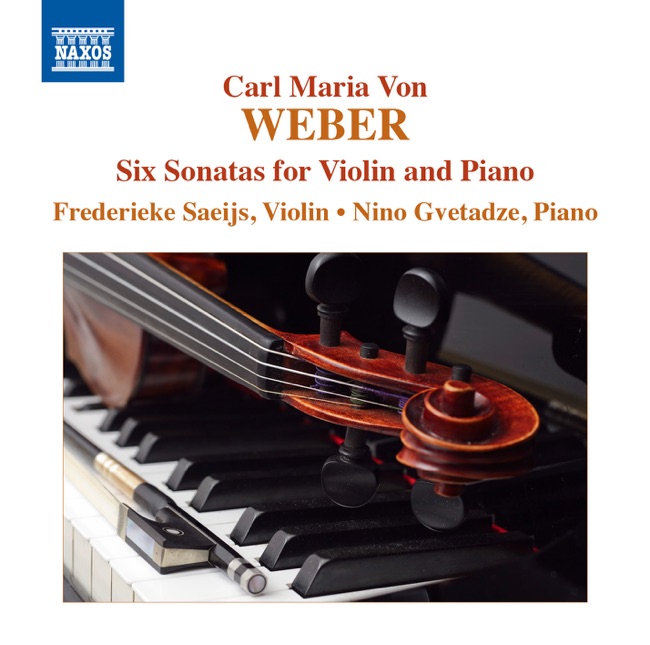



Featured Album
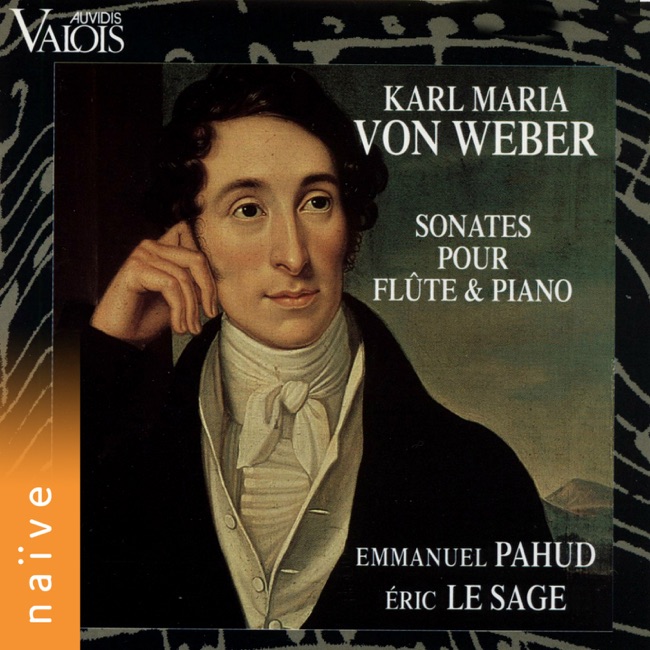
Works Info
Composer:Carl Maria von WeberGenre:ChamberStyle:Chamber MusicCompose Date:1810Publication Date:1811Average_duration:4:43Movement_count:2Movement ....The 'Sonata for piano & flute obbligato No. 4 in E flat major, J. 102, Op. 10b/4' is a chamber music piece composed by Carl Maria von Weber. It was composed in 1810 and premiered in the same year. The sonata consists of three movements: Allegro con fuoco, Adagio ma non troppo, and Rondo: Allegretto. The first movement, Allegro con fuoco, is characterized by its lively and energetic tempo. The piano and flute engage in a playful dialogue, with the flute taking on a more prominent role in the middle section. The movement is marked by its use of syncopation and rapid arpeggios, which add to its overall sense of excitement. The second movement, Adagio ma non troppo, is a slower and more contemplative piece. The piano takes on a more supportive role, providing a gentle accompaniment to the flute's lyrical melody. The movement is marked by its use of expressive phrasing and dynamic contrasts, which create a sense of emotional depth and intimacy. The final movement, Rondo: Allegretto, is a lively and upbeat piece that brings the sonata to a joyful conclusion. The piano and flute engage in a playful call-and-response, with the flute taking on a more virtuosic role in the middle section. The movement is marked by its use of catchy melodies and rhythmic motifs, which make it a crowd-pleaser. Overall, the 'Sonata for piano & flute obbligato No. 4 in E flat major, J. 102, Op. 10b/4' is a charming and delightful chamber music piece that showcases Weber's skill as a composer. Its use of playful dialogue, expressive phrasing, and catchy melodies make it a favorite among performers and audiences alike.More....
Works Music
Released Music
1

3:29
2
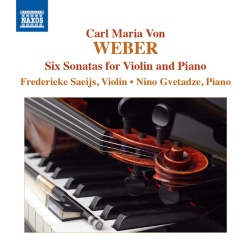
3:40
3
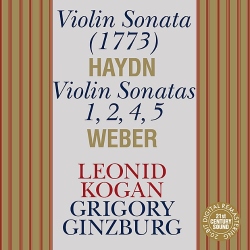
3:43
4

2:1
5
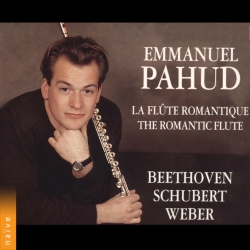
1:47
6

3:49
7

3:16
Featured Music
1
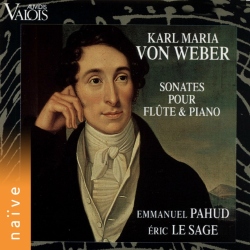
2:27
2
1:47