


Béla Bartók
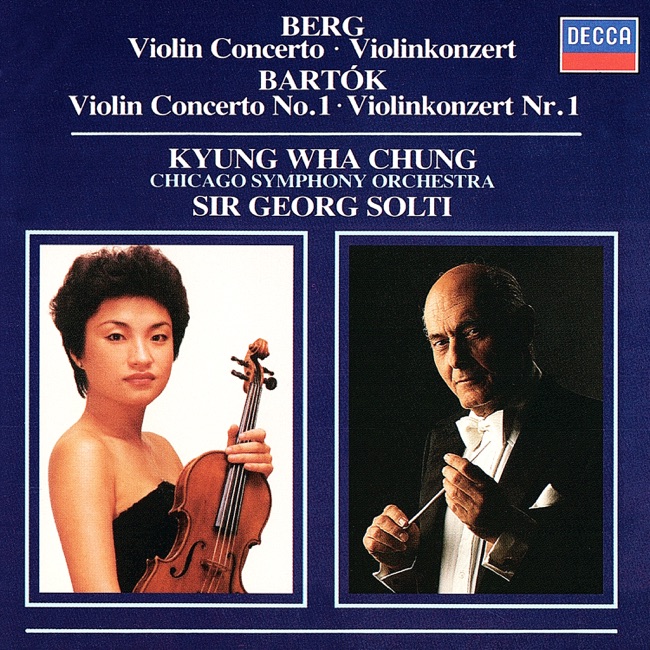
Violin Concerto No. 1, Sz. 36
Released Album
Recent Album
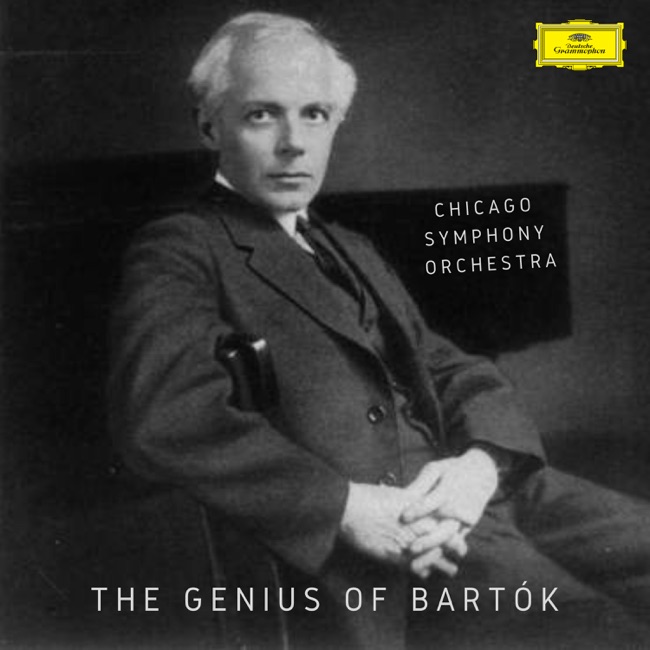
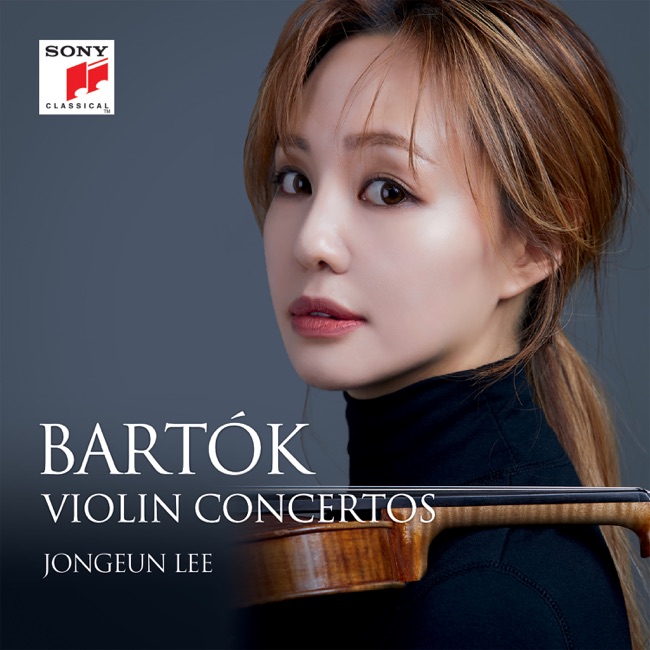
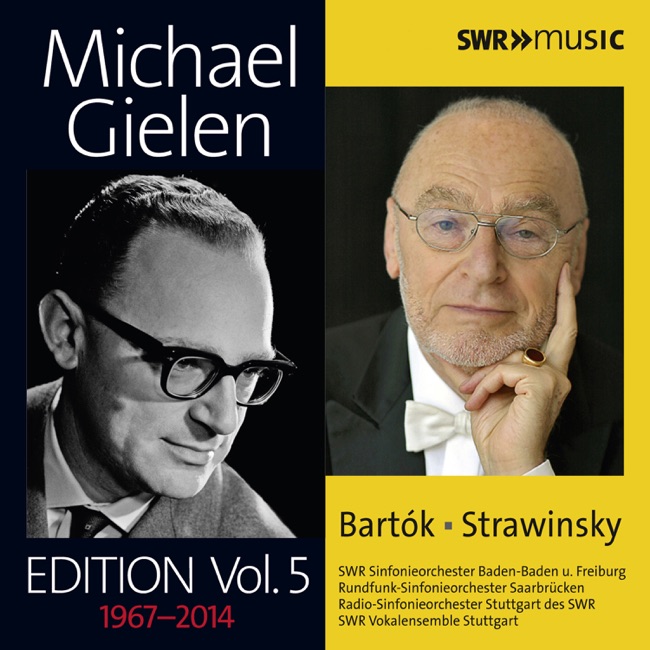
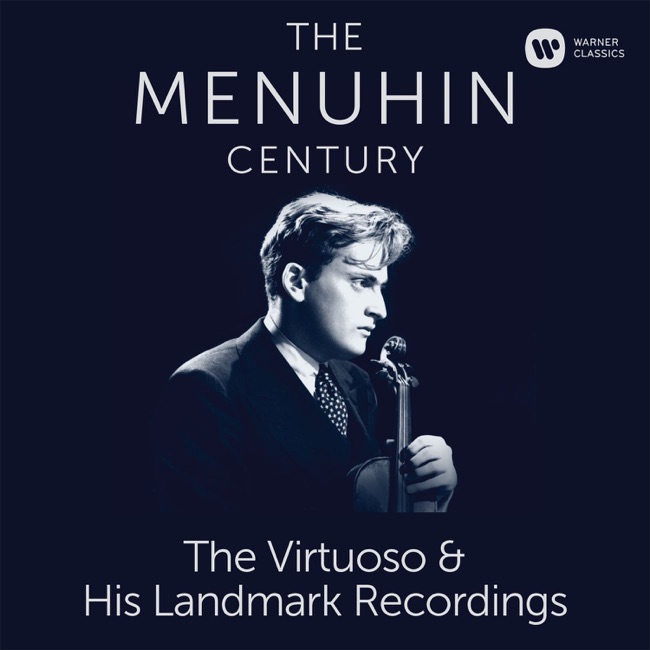
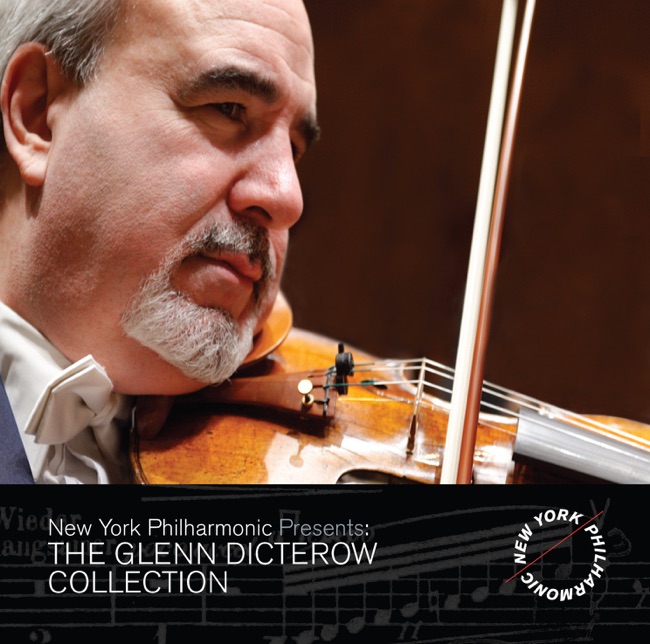

Featured Album
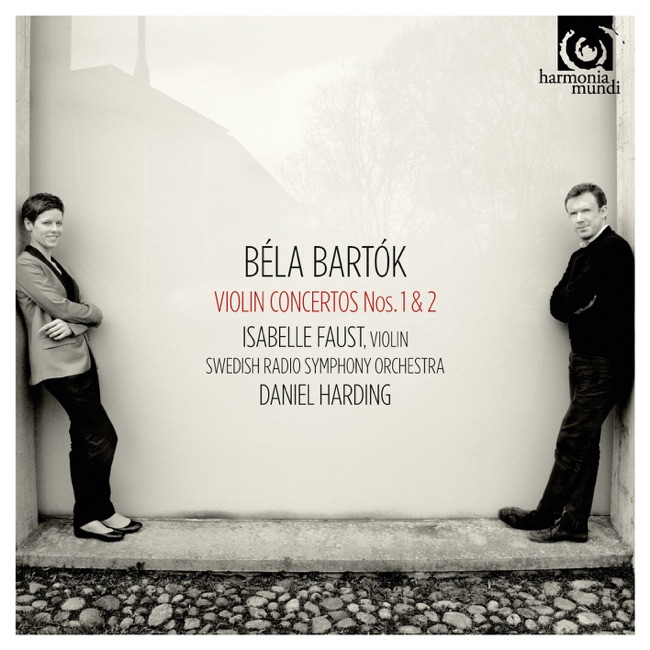
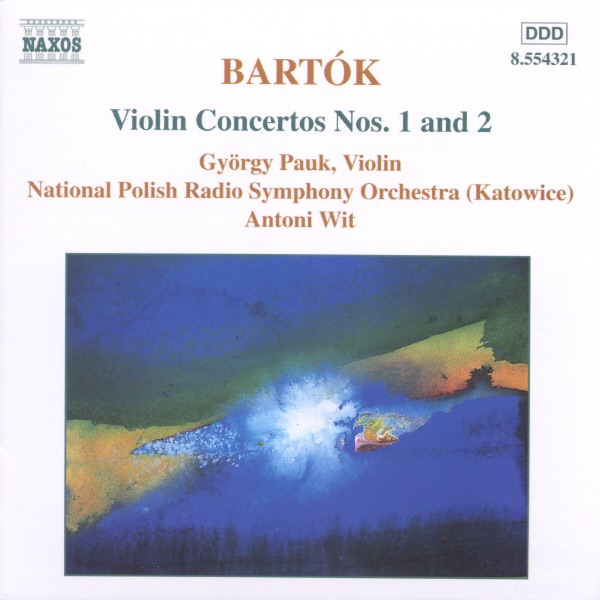
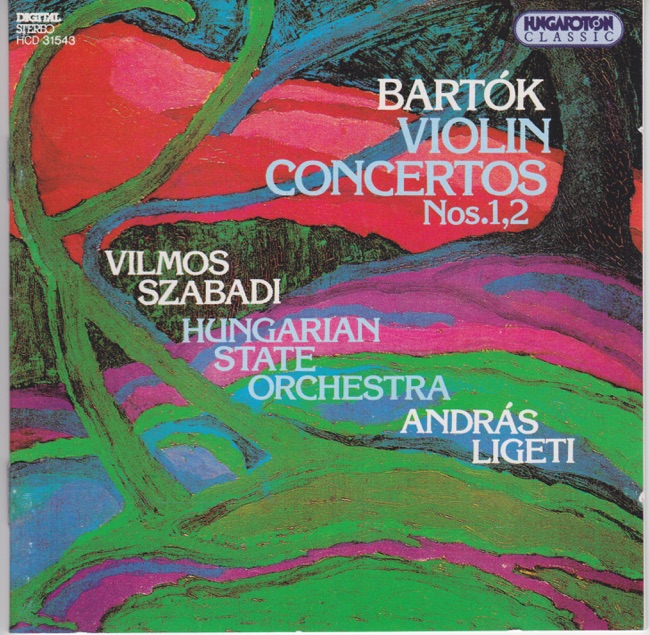
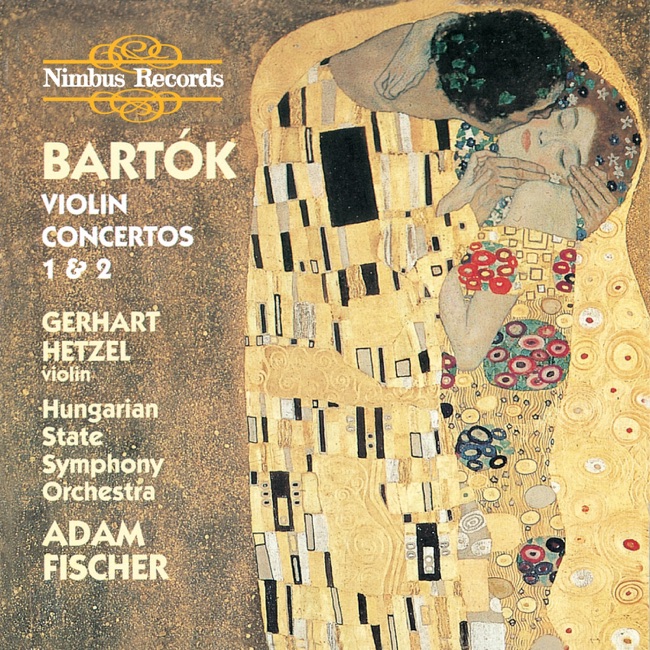
Works Info
Composer:Béla BartókGenre:ConcertoStyle:ConcertoCompose Date:1907 - 1908Average_duration:20:49Movement_count:2Movement ....Béla Bartók's Violin Concerto No. 1, Sz. 36, is a masterpiece of the 20th century violin repertoire. It was composed between 1907 and 1908, and premiered on November 8, 1908, in Budapest, Hungary, with the composer himself conducting the orchestra and the violinist Stefi Geyer as the soloist. The concerto is divided into three movements, each with its own distinct character and mood. The first movement, marked Andante sostenuto, is a hauntingly beautiful and introspective piece, with the solo violin playing long, lyrical lines over a sparse and atmospheric orchestral accompaniment. The second movement, marked Allegro giocoso, is a lively and playful scherzo, full of rhythmic energy and virtuosic passages for the soloist. The third and final movement, marked Allegro molto, is a fiery and intense finale, with the solo violin engaging in a thrilling dialogue with the orchestra, culminating in a dazzling cadenza and a triumphant coda. The concerto is characterized by Bartók's unique blend of folk-inspired melodies, modernist harmonies, and innovative use of rhythm and form. The first movement, for example, features a hauntingly beautiful theme that is based on a Hungarian folk song, which Bartók transforms and develops throughout the movement. The second movement, on the other hand, is a playful and rhythmic scherzo, with a distinctly Hungarian flavor, featuring syncopated rhythms and irregular meters. The third movement, meanwhile, is a tour-de-force of virtuosity and intensity, with the solo violin engaging in a thrilling dialogue with the orchestra, showcasing Bartók's mastery of orchestration and his ability to create dramatic tension and release. Overall, Bartók's Violin Concerto No. 1 is a masterpiece of the violin repertoire, showcasing the composer's unique blend of folk-inspired melodies, modernist harmonies, and innovative use of rhythm and form. It remains a popular and frequently performed work, beloved by audiences and musicians alike for its beauty, virtuosity, and emotional depth.More....
Works Music
Released Music

Featured Music
Main Perform Artists
Violin
Violin
Violin
Violin