Giuseppe Tartini
Trio sonata in D minor, B. d2
Released Album
Recent Album
Featured Album
Works Info
Composer:Giuseppe TartiniGenre:ChamberStyle:Chamber MusicAverage_duration:11:43Movement_count:3Movement ....Giuseppe Tartini's Trio Sonata in D minor, B. d2, is a Baroque composition for two violins and basso continuo. It was composed in the early 18th century and premiered in Venice, Italy. The piece is divided into four movements, each with its own unique characteristics. The first movement, marked "Adagio," is a slow and mournful introduction. The two violins play a simple melody in unison, while the basso continuo provides a steady harmonic foundation. The movement is characterized by its use of suspensions and dissonances, which create a sense of tension and unease. The second movement, marked "Allegro," is a lively and energetic dance. The violins play a fast and intricate melody, while the basso continuo provides a driving rhythm. The movement is characterized by its use of syncopation and ornamentation, which give it a playful and virtuosic quality. The third movement, marked "Largo," is a slow and lyrical aria. The violins play a beautiful and expressive melody, while the basso continuo provides a gentle accompaniment. The movement is characterized by its use of long, flowing phrases and expressive ornamentation, which give it a sense of emotional depth and beauty. The final movement, marked "Presto," is a fast and lively dance. The violins play a rapid and virtuosic melody, while the basso continuo provides a driving rhythm. The movement is characterized by its use of rapid passagework and intricate counterpoint, which give it a sense of excitement and energy. Overall, Tartini's Trio Sonata in D minor, B. d2, is a beautiful and expressive example of Baroque chamber music. Its use of suspensions, dissonances, ornamentation, and counterpoint create a sense of tension, emotion, and virtuosity that is characteristic of the Baroque era.More....
Works Music
Released Music
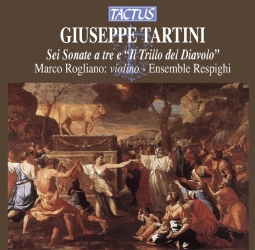
Featured Music