Béla Bartók
Ostinato, Sz. 107/6/146
Released Album
Recent Album
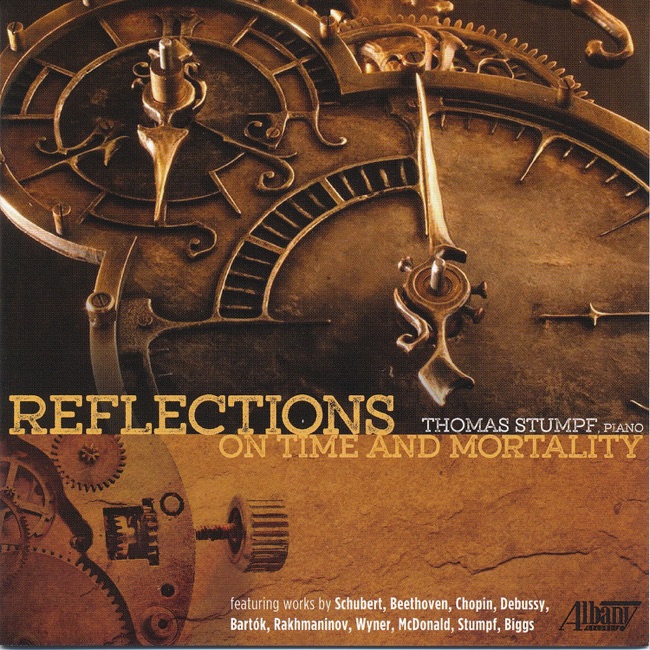
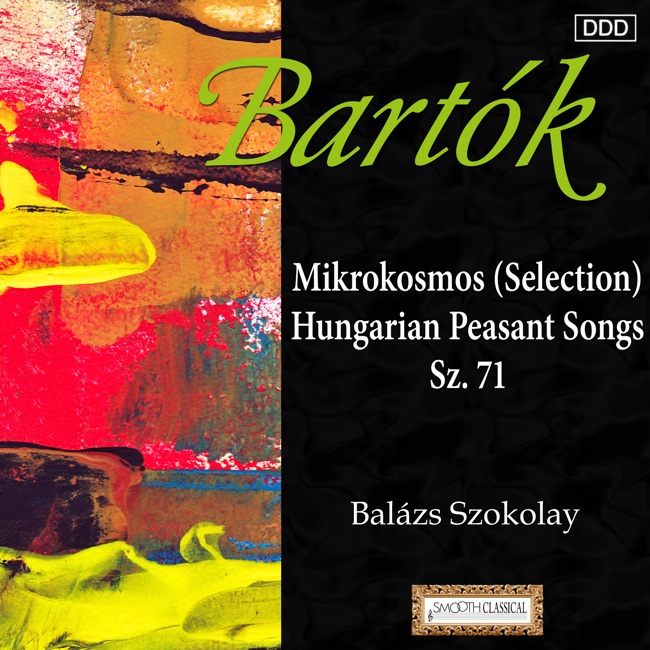

Works Info
Composer:Béla BartókGenre:KeyboardStyle:KeyboardCompose Date:1926 - 1939Average_duration:2:16Béla Bartók's "Ostinato" is a short piano piece that was composed in 1918. It is part of his larger work, "Ten Easy Pieces," which was written for young pianists. The piece was premiered in Budapest in 1918, and it has since become a popular choice for piano students and performers. The piece is characterized by its use of an ostinato, which is a repeating musical pattern. The ostinato in this piece is a simple, four-note pattern that is played throughout the entire piece. The pattern is played in the left hand, while the right hand plays a melody that is based on the pentatonic scale. The piece is in a fast tempo and is marked "Allegro molto." It is written in 2/4 time and is in the key of C major. The piece is made up of two sections, each of which is repeated. The first section is based on the pentatonic scale and features a simple melody that is played in the right hand. The left hand plays the ostinato pattern throughout this section. The second section of the piece is more complex and features a more intricate melody in the right hand. The left hand continues to play the ostinato pattern, but it is played in a different rhythm than in the first section. This section also features a brief modulation to the key of G major before returning to the original key of C major. Overall, "Ostinato" is a simple yet effective piece that showcases Bartók's use of folk melodies and rhythms in his compositions. The use of the ostinato pattern gives the piece a sense of continuity and unity, while the melody in the right hand adds a sense of variation and interest. The piece is a great example of Bartók's unique style and his ability to create memorable and engaging music.More....
Works Music
Released Music

2
2: