


Ralph Vaughan Williams
Concerto for 2 pianos & orchestra in C major
Released Album
Recent Album
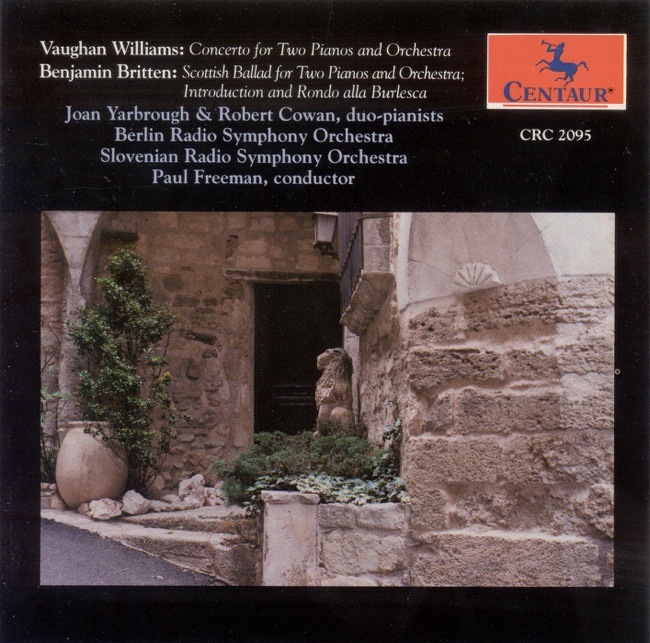
Featured Album
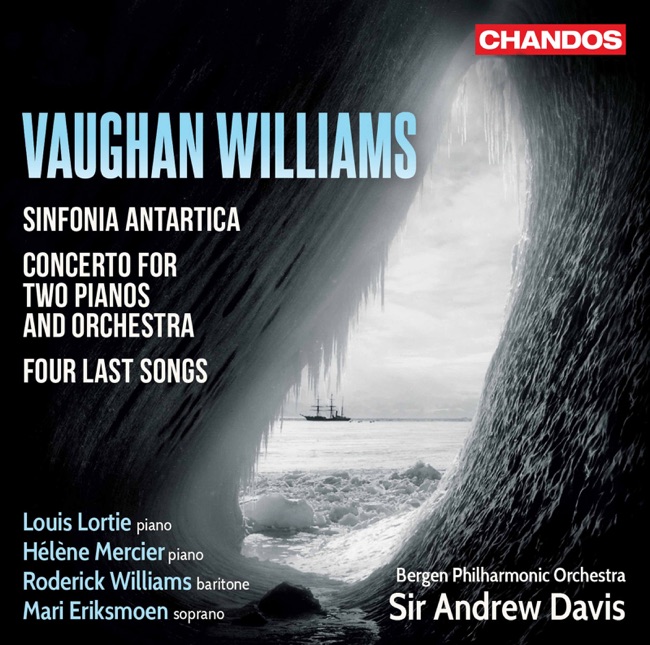
Works Info
Composer:Ralph Vaughan WilliamsGenre:ConcertoStyle:ConcertoCompose Date:1946Average_duration:22:51Movement_count:3Movement ....Ralph Vaughan Williams composed his Concerto for 2 pianos & orchestra in C major between 1930 and 1931. The piece was premiered on October 6, 1933, at the Queen's Hall in London, with the composer himself and his wife, Ursula, as the soloists, and Adrian Boult conducting the BBC Symphony Orchestra. The concerto consists of three movements: I. Toccata, II. Romanza, and III. Fuga chromatica con Finale alla Tedesca. The first movement, Toccata, is a lively and energetic piece with a strong rhythmic drive. The second movement, Romanza, is a slow and lyrical piece that showcases the pianos' ability to create a beautiful and expressive melody. The final movement, Fuga chromatica con Finale alla Tedesca, is a fugue that builds to a triumphant and exciting conclusion. The concerto is characterized by its use of polytonality, which is the use of multiple keys at the same time. This creates a complex and rich harmonic texture that is both challenging and rewarding for the listener. The piece also features a wide range of dynamics, from the soft and delicate to the loud and powerful, which adds to its dramatic impact. Overall, Vaughan Williams' Concerto for 2 pianos & orchestra in C major is a challenging and exciting piece that showcases the composer's skill and creativity. Its use of polytonality and dynamic range make it a unique and memorable addition to the repertoire of piano concertos.More....
Works Music
Released Music
Featured Music
2
10:4
3
Concerto for 2 pianos & orchestra in C major
Fuga chromatica con finale alla tedesca: Allegro
11:40
4
6:7
5
9:2
Main Perform Artists