


Johann Sebastian Bach
Cantata No. 96, "Herr Christ, der einge Gottessohn", BWV 96
Released Album
Recent Album
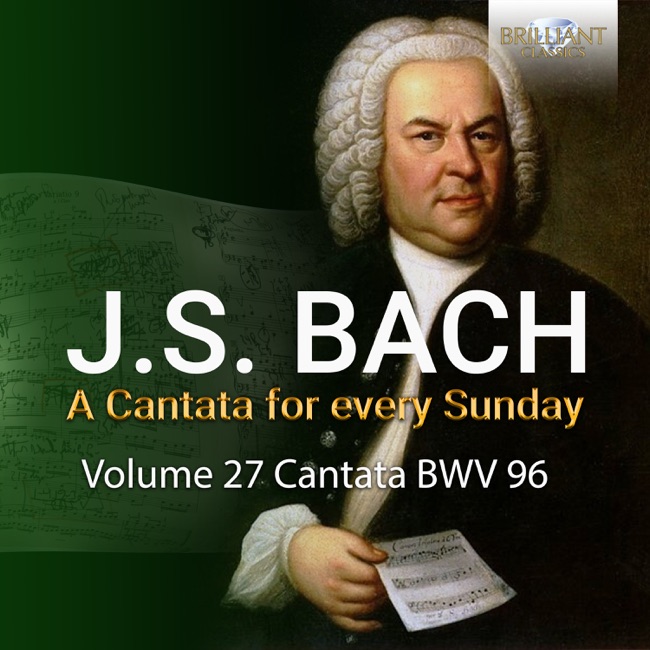
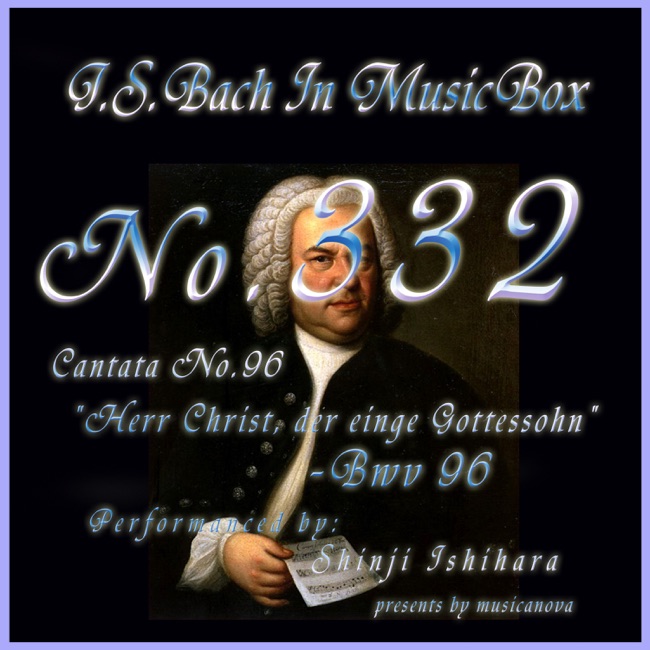
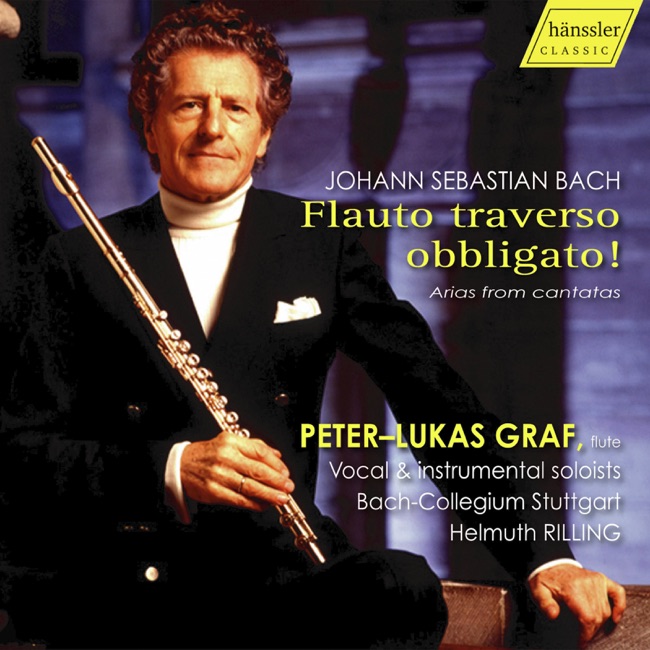
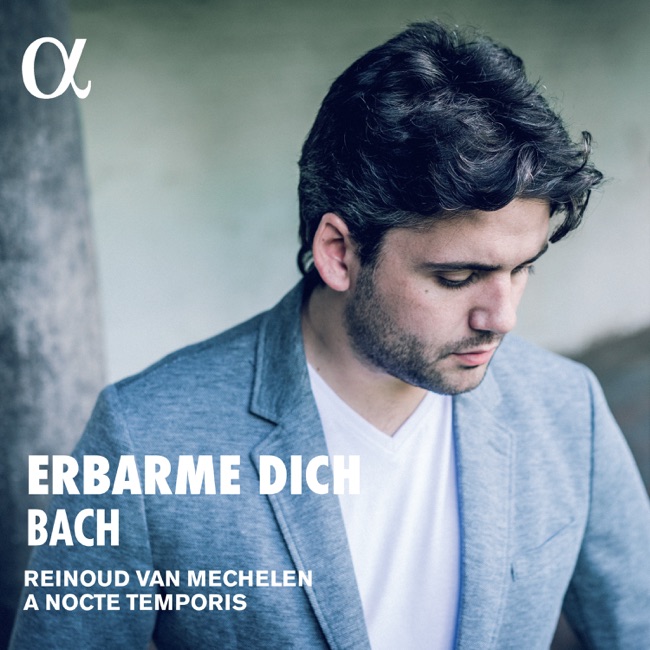
Works Info
Composer:Johann Sebastian BachGenre:ChoralStyle:CantataCompose Date:Oct 24, 1724Publication Date:1875First Performance:Oct 24, 1724Average_duration:17:25Movement_count:6Movement ....Johann Sebastian Bach composed Cantata No. 96, Herr Christ, der einge Gottessohn, BWV 96, in 1724 during his first year as the Thomaskantor in Leipzig. The cantata was premiered on the Feast of the Epiphany, January 6, 1724, at the St. Nicholas Church in Leipzig. The cantata consists of six movements, including an opening chorus, three arias, a recitative, and a closing chorale. The text is based on a hymn by Elisabeth Cruciger, which celebrates the birth of Christ and his role as the Son of God. The opening chorus is a grand and majestic piece, featuring a full orchestra and choir. The music is characterized by its use of counterpoint and imitative polyphony, with each voice part weaving in and out of the texture. The text is set in a series of short phrases, which are repeated and developed throughout the movement. The first aria is a duet for soprano and bass, accompanied by a solo violin. The music is light and playful, with a dance-like rhythm and a cheerful melody. The text celebrates the joy and wonder of Christ's birth, and the music reflects this with its bright and lively character. The second aria is a solo for alto, accompanied by a solo oboe. The music is more introspective and contemplative, with a slower tempo and a more complex harmonic structure. The text reflects on the suffering and sacrifice of Christ, and the music conveys a sense of sadness and longing. The recitative is a solo for tenor, accompanied by a continuo. The music is simple and declamatory, with the tenor singing the text in a speech-like manner. The text reflects on the role of Christ as the savior of humanity, and the music conveys a sense of reverence and awe. The final aria is a solo for bass, accompanied by a solo cello. The music is slow and solemn, with a mournful melody and a simple harmonic structure. The text reflects on the death and resurrection of Christ, and the music conveys a sense of solemnity and reverence. The cantata concludes with a closing chorale, which is a simple and straightforward setting of the hymn text. The music is characterized by its use of homophonic texture, with all voices singing the same melody and text at the same time. Overall, Cantata No. 96 is a masterful work of sacred music, showcasing Bach's skill as a composer and his deep understanding of the text and its meaning. The music is characterized by its use of counterpoint, imitative polyphony, and complex harmonic structures, as well as its ability to convey a wide range of emotions and moods.More....
Works Music
Released Music
3
Cantata no. 96, "Lord Christ, the Son of God", BWV 96
I. Coro. Herr Christ der einge Gottessohn
5:37
5
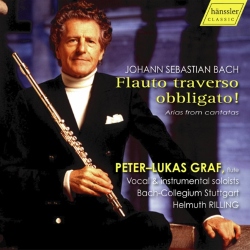
Cantata no. 96, "Lord Christ, the Son of God", BWV 96
3. Aria - Ach, ziehe die Seele mit Seilen der Liebe
9:13
8
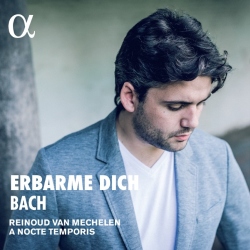
Cantata no. 96, "Lord Christ, the Son of God", BWV 96
III. Aria Ach, Ziehe Die Seele Mit Seilen Der Liebe
7:59
10
Cantata no. 96, "Lord Christ, the Son of God", BWV 96
I. Coro. Herr Christ der einge Gottessohn
5:37
Main Perform Artists
Soprano Vocal
Alto Vocals
Bass (Vocal)