Charles Villiers Stanford
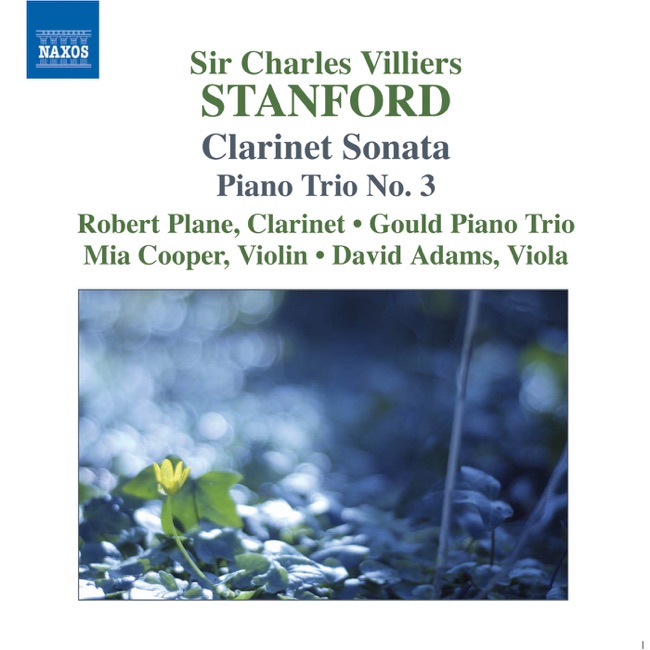
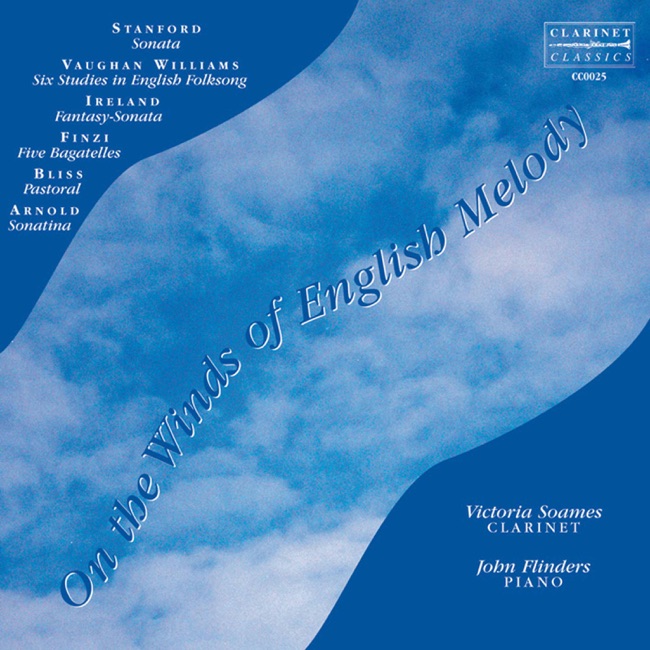
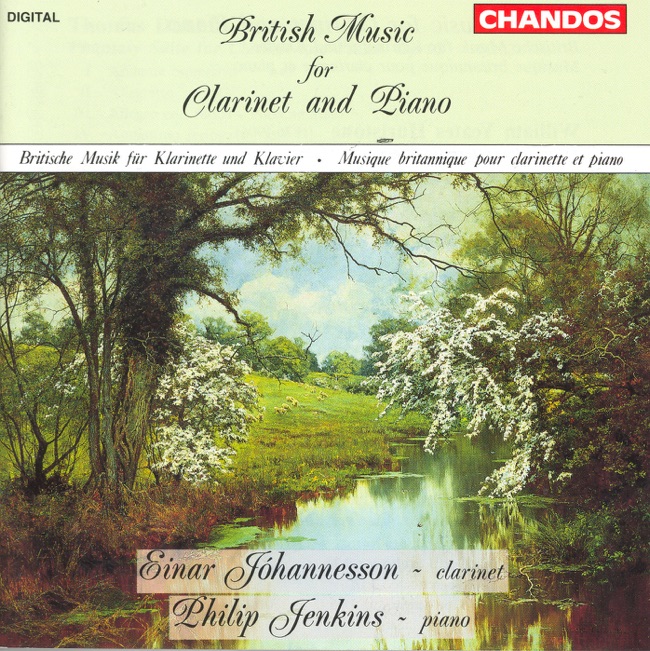
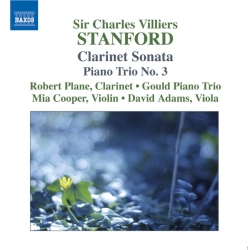
Sonata for clarinet & piano, Op. 129
Released Album
Recent Album






Featured Album
Works Info
Composer:Charles Villiers StanfordGenre:ChamberStyle:SonataAverage_duration:20:26Movement_count:3Movement ....The 'Sonata for clarinet & piano, Op. 129' is a chamber music composition by the Irish composer Charles Villiers Stanford. It was composed in 1911 and premiered in London the same year. The sonata consists of three movements: Allegro moderato, Adagio non troppo, and Allegro molto. The first movement, Allegro moderato, begins with a lyrical clarinet melody that is soon joined by the piano. The two instruments engage in a lively dialogue, with the clarinet taking on a more virtuosic role in the development section. The movement ends with a return to the opening material, but with a more subdued character. The second movement, Adagio non troppo, is a slow and introspective piece that showcases the clarinet's expressive capabilities. The piano provides a delicate accompaniment, with occasional interjections that add to the emotional intensity of the music. The movement ends with a hauntingly beautiful clarinet solo. The final movement, Allegro molto, is a lively and energetic piece that brings the sonata to a thrilling conclusion. The clarinet and piano engage in a playful dialogue, with both instruments taking turns leading the way. The movement features a number of virtuosic passages for the clarinet, including a dazzling cadenza towards the end. Overall, the 'Sonata for clarinet & piano, Op. 129' is a masterful example of chamber music composition. Stanford's use of melody, harmony, and form create a cohesive and engaging work that showcases the unique qualities of both the clarinet and piano. The sonata is a testament to Stanford's skill as a composer and his ability to create music that is both technically challenging and emotionally compelling.More....
Works Music
Released Music






Featured Music