William Byrd
Pavan a 5 in C minor
Released Album
Recent Album
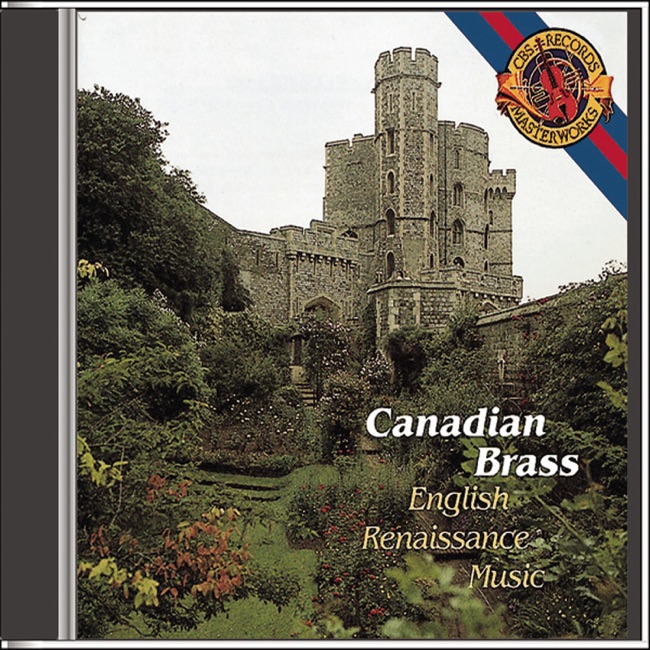
Works Info
Composer:William ByrdGenre:ChamberStyle:DanceAverage_duration:3:46William Byrd's 'Pavan a 5 in C minor' is a Renaissance-era piece of music that was composed in the late 16th century. The piece was first premiered in the court of Queen Elizabeth I, where Byrd was a prominent musician and composer. The 'Pavan a 5 in C minor' is a part of a larger collection of works known as the 'Fitzwilliam Virginal Book', which is a compilation of keyboard music from the late Renaissance and early Baroque periods. The 'Pavan a 5 in C minor' is a slow and stately dance that is typically performed in a group of five musicians. The piece is divided into several movements, each of which has its own distinct character and mood. The first movement is marked by a mournful and melancholic tone, with a slow and deliberate tempo that emphasizes the somber nature of the music. The second movement is more lively and upbeat, with a faster tempo and a more playful melody that contrasts with the first movement. The third movement of the 'Pavan a 5 in C minor' is marked by a return to the mournful and melancholic tone of the first movement, with a slow and deliberate tempo that emphasizes the emotional depth of the music. The fourth movement is more complex and intricate, with a faster tempo and a more intricate melody that showcases Byrd's skill as a composer. The final movement of the piece is marked by a return to the lively and upbeat tone of the second movement, with a fast tempo and a playful melody that brings the piece to a joyful and celebratory conclusion. Overall, the 'Pavan a 5 in C minor' is a masterful example of Renaissance-era music, showcasing Byrd's skill as a composer and his ability to create music that is both emotionally powerful and technically complex. The piece remains a popular choice for musicians and audiences alike, and continues to be performed and enjoyed to this day.More....
Works Music
Released Music