William Byrd
Though Amaryllis dance in green
Released Album
Recent Album
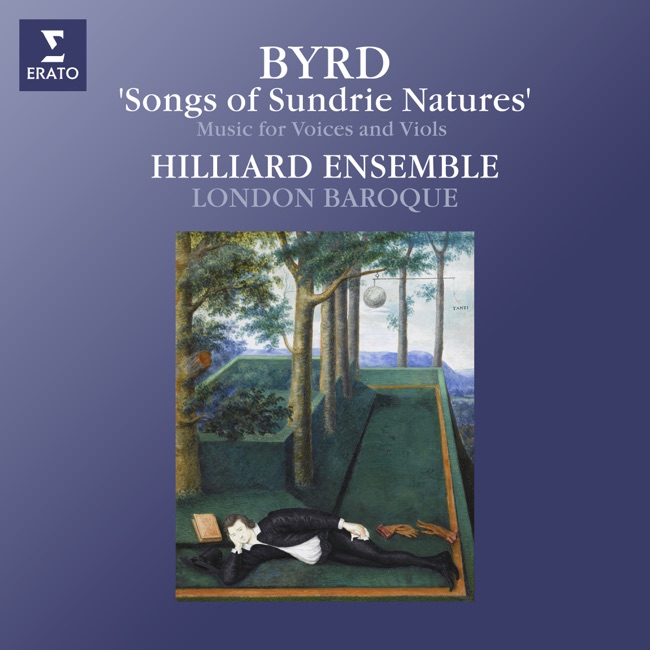
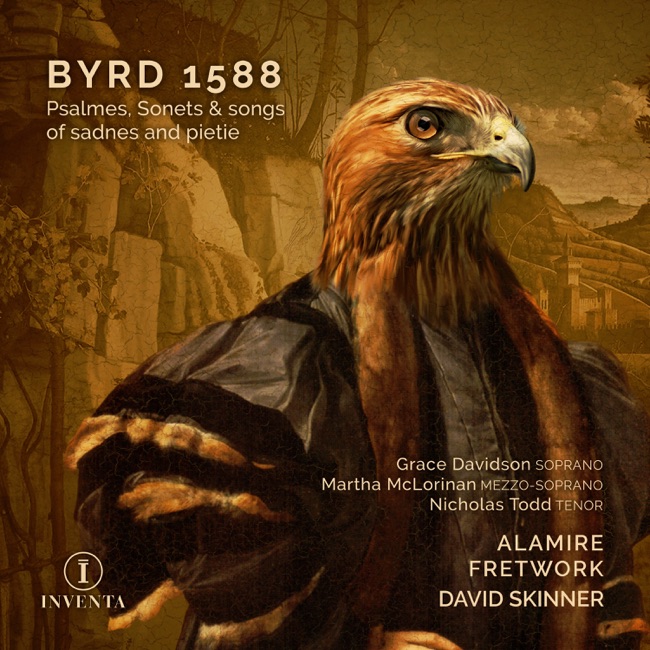



Featured Album

Works Info
Composer:William ByrdGenre:VocalStyle:MadrigalCompose Date:1588Average_duration:3:04"Though Amaryllis dance in green" is a madrigal composed by William Byrd, an English composer of the Renaissance era. The piece was composed in the late 16th century, around 1590, and was first published in 1589 in Byrd's collection of madrigals, "Songs of Sundrie Natures." The madrigal is written for five voices, with the text taken from a poem by Sir Philip Sidney. The piece is in a lively triple meter, with a dance-like quality that reflects the poem's description of Amaryllis dancing in a green meadow. The music is characterized by its use of imitative polyphony, with each voice taking turns singing the melody and weaving in and out of each other. The piece is divided into three distinct sections or movements. The first section begins with a lively and rhythmic introduction, with the voices entering one by one in imitation. The second section is slower and more contemplative, with the voices singing in a more homophonic texture. The final section returns to the lively dance-like quality of the opening, with the voices once again weaving in and out of each other in imitation. One of the most notable characteristics of "Though Amaryllis dance in green" is its use of word painting. Byrd uses musical devices such as syncopation, chromaticism, and unexpected harmonies to reflect the meaning of the text. For example, the word "dance" is set to a lively and rhythmic melody, while the word "weep" is set to a more dissonant and mournful harmony. Overall, "Though Amaryllis dance in green" is a lively and joyful madrigal that showcases Byrd's skill as a composer of polyphonic music. Its use of word painting and dance-like rhythms make it a popular piece in the Renaissance choral repertoire.More....
Works Music
Released Music
1
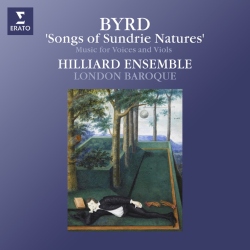
Though Amaryllis dance in green
Though Amarillis Daunce in Green (Psalmes, Sonnets and Songs No. 12)
5:9
2
5:53
3
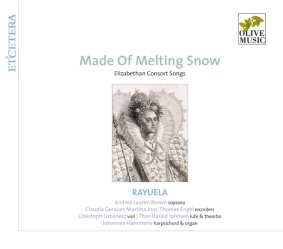
Though Amaryllis dance in green
Though Amaryllis dance in green (from Psalmes, sonets and songs)
3:35
5
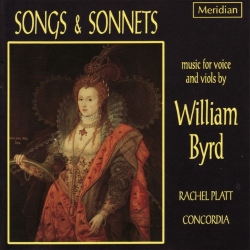
5:14



Featured Music