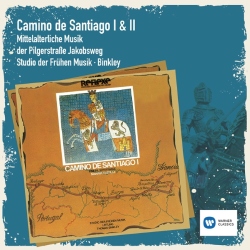
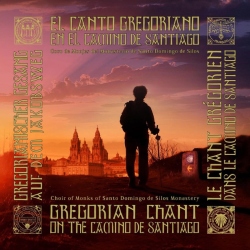
Codex Calixtinus Anonymous
Dum pater familias
Released Album
Recent Album

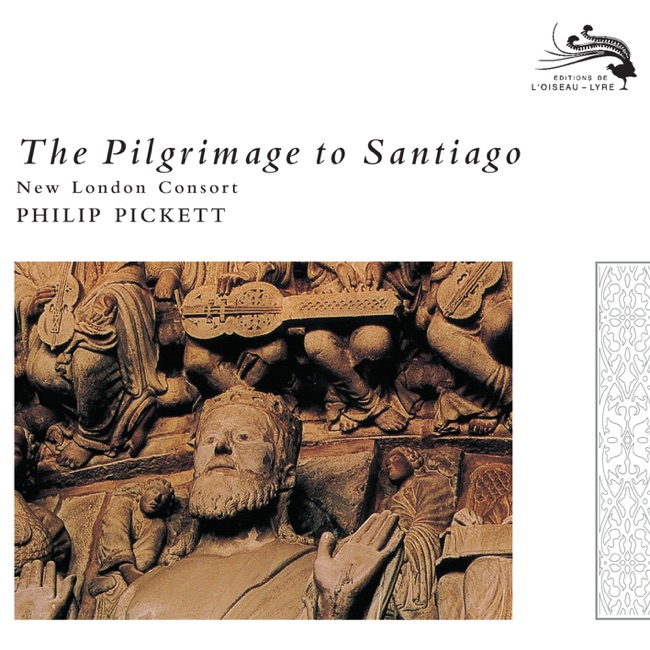
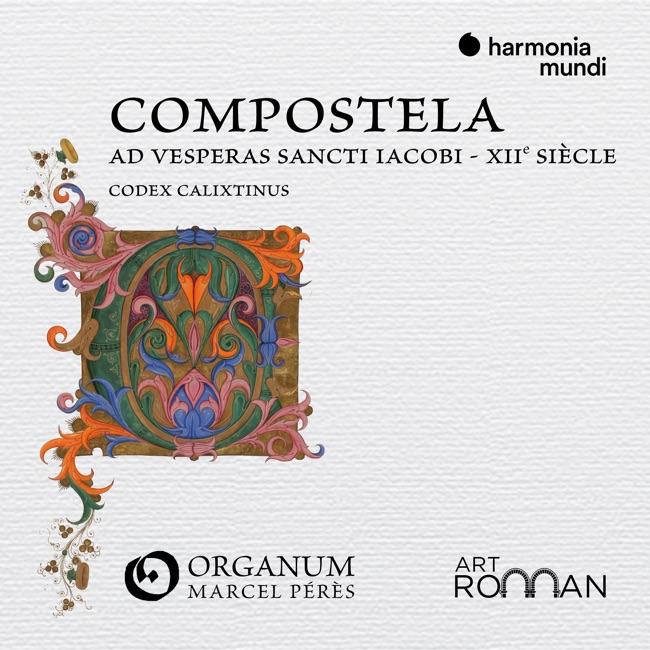
Featured Album
Works Info
Composer:Codex Calixtinus AnonymousGenre:VocalStyle:Vocal MusicAverage_duration:6:33"Dum pater familias" is a medieval chant composed by an anonymous composer in the Codex Calixtinus, a manuscript from the 12th century. The piece is believed to have been written in the 11th century and is one of the oldest surviving examples of polyphonic music. The piece is written in three movements, each with its own distinct characteristics. The first movement is a monophonic chant, sung by a soloist. The second movement is a polyphonic section, with two or more voices singing different melodies at the same time. The third movement returns to the monophonic chant of the first movement. The premiere of "Dum pater familias" is unknown, but it is believed to have been performed in the Cathedral of Santiago de Compostela in Spain, where the Codex Calixtinus was created. The piece was likely performed during religious services and pilgrimages to the cathedral. The characteristics of "Dum pater familias" reflect the style of medieval music. The monophonic chant of the first and third movements is characterized by a single melody line, sung in a free rhythm. The polyphonic section of the second movement features multiple melodies sung simultaneously, creating a complex and rich texture. The piece also features melismatic singing, where multiple notes are sung on a single syllable, adding to the complexity of the music. Overall, "Dum pater familias" is a significant piece of medieval music, showcasing the development of polyphonic music during the Middle Ages. Its use in religious services and pilgrimages to Santiago de Compostela also highlights the importance of music in medieval religious practices.More....
Works Music
Released Music


7
4:29
Featured Music