John Tavener
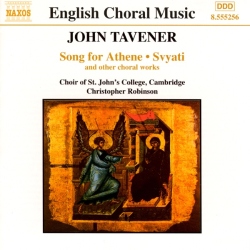
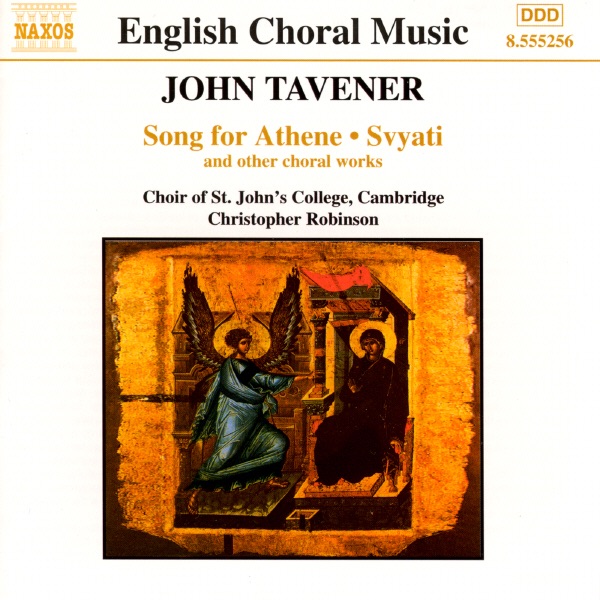
Svyati
Released Album
Recent Album


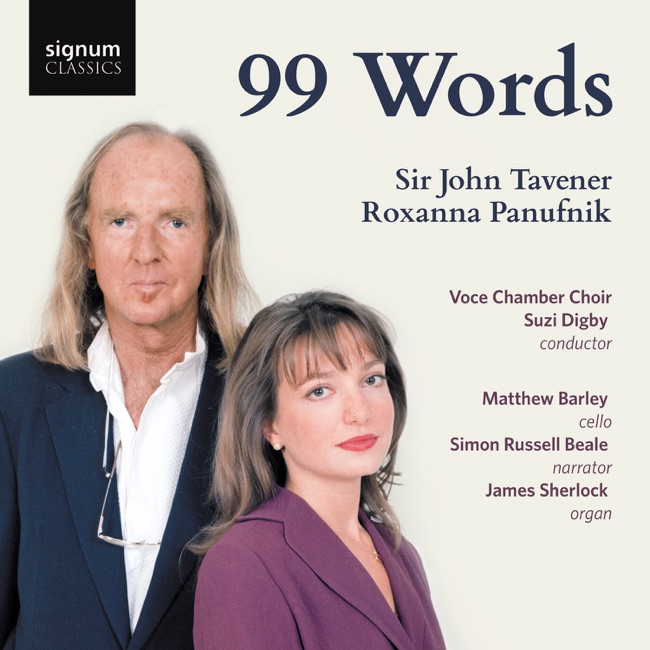
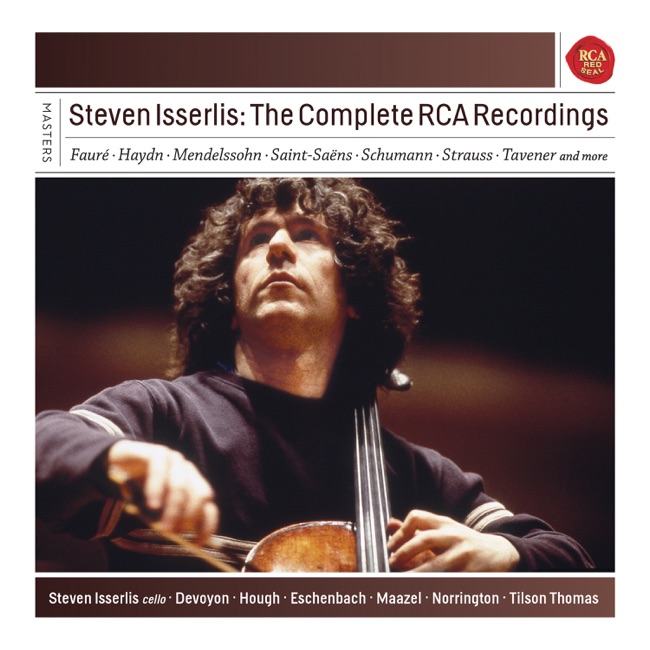
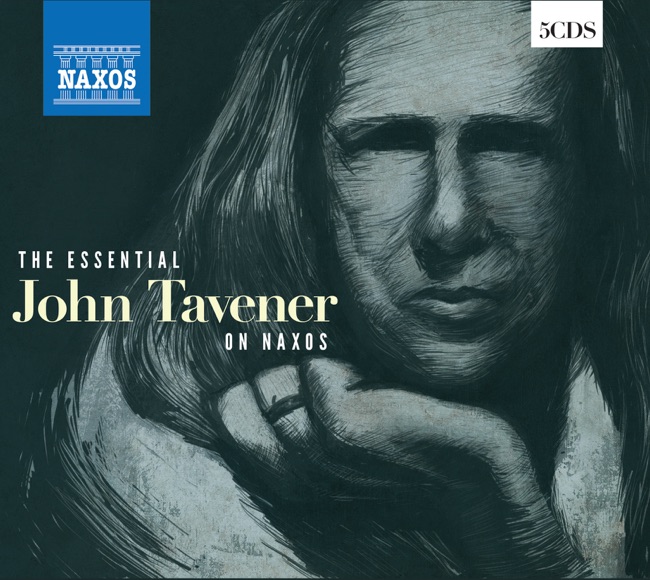
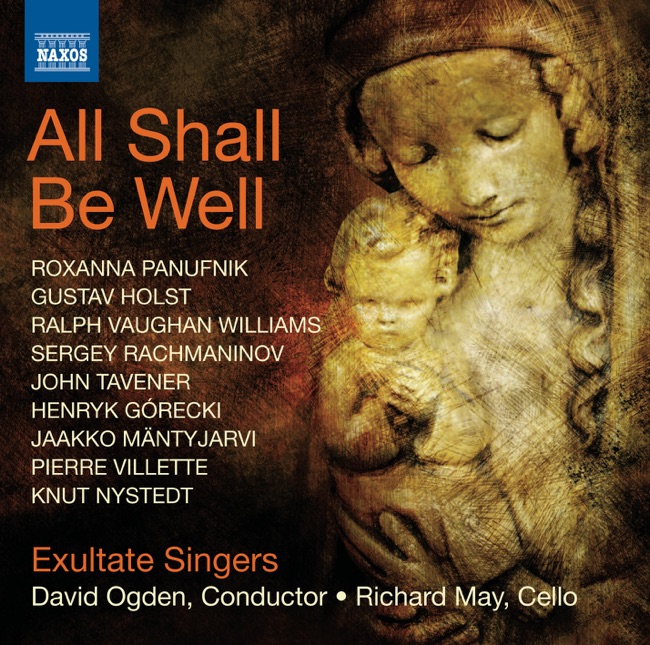
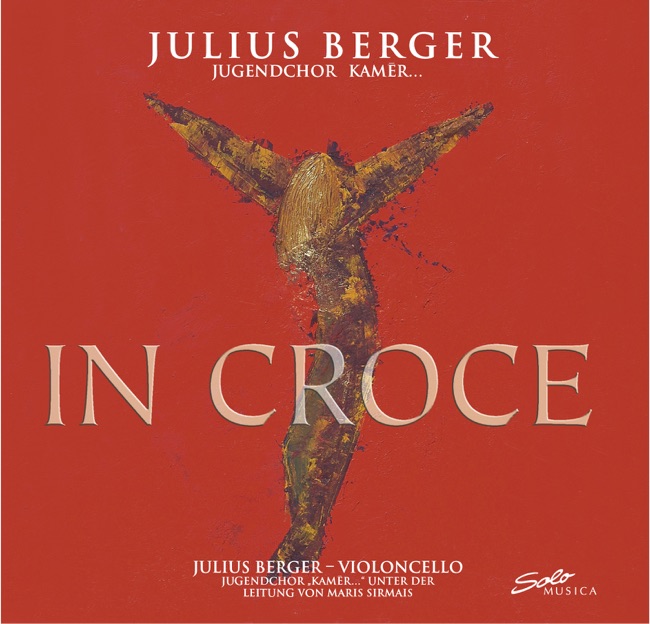

Featured Album

Works Info
Composer:John TavenerGenre:ChoralStyle:MeditationCompose Date:1995Average_duration:11:18'Svyati' is a choral work composed by John Tavener in 1995. It was premiered in the same year at the Temple Church in London. The piece is written for a cappella choir and solo cello, and is divided into six movements. The first movement, 'Invocation', begins with a solo cello playing a mournful melody, which is then taken up by the choir. The text is a prayer for forgiveness and mercy, and the music is characterized by its slow, meditative pace and haunting harmonies. The second movement, 'The Lord's Prayer', is a setting of the familiar text from the Bible. The choir sings in unison, with the cello providing a gentle accompaniment. The music is simple and direct, with a sense of reverence and awe. The third movement, 'Hymn to the Mother of God', is a setting of a traditional Orthodox hymn. The choir sings in harmony, with the cello providing a counterpoint. The music is characterized by its rich, sonorous harmonies and its sense of devotion and piety. The fourth movement, 'The Lament of the Mother of God', is a setting of a text by the Russian poet Alexander Blok. The choir sings in a mournful, plaintive style, with the cello providing a mournful accompaniment. The music is characterized by its sense of sorrow and grief, and its haunting, otherworldly quality. The fifth movement, 'The Name', is a setting of a text by the Russian mystic St. Silouan. The choir sings in unison, with the cello providing a gentle, flowing accompaniment. The music is characterized by its sense of peace and serenity, and its simple, direct beauty. The final movement, 'Svyati', is a setting of the Orthodox liturgy. The choir sings in harmony, with the cello providing a rich, sonorous accompaniment. The music is characterized by its sense of awe and reverence, and its grand, majestic quality. Overall, 'Svyati' is a deeply spiritual and meditative work, characterized by its rich, sonorous harmonies, its haunting melodies, and its sense of devotion and piety. It is a powerful expression of Tavener's deep faith and his commitment to the Orthodox tradition.More....