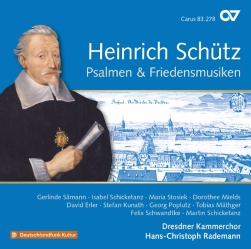
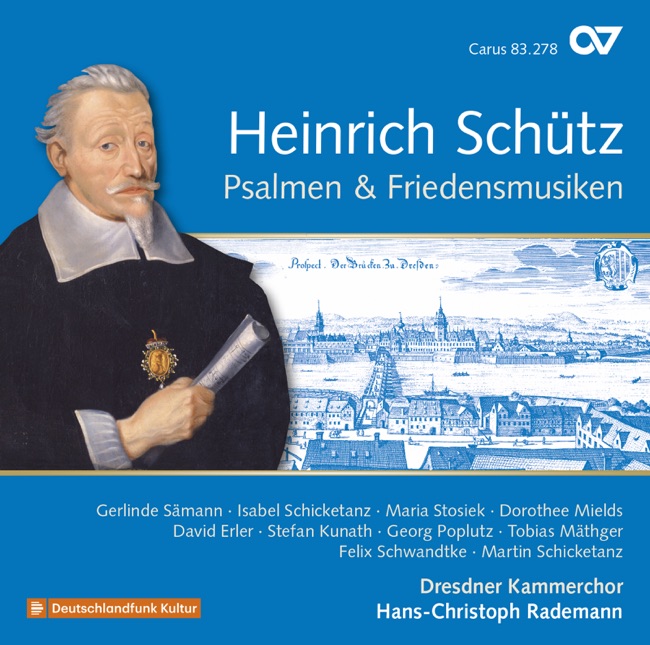
Heinrich Schütz
Veni, Sancte Spiritus, SWV 475
Released Album
Recent Album

Works Info
Composer:Heinrich SchützGenre:ChoralStyle:ChoralCompose Date:ca. 1620Average_duration:7:29Heinrich Schütz's 'Veni, Sancte Spiritus, SWV 475' is a sacred choral work that was composed in the early 17th century. The piece is a setting of the Latin hymn 'Veni Sancte Spiritus', which is traditionally sung during Pentecost. Schütz's composition is written for six voices, with two sopranos, alto, tenor, baritone, and bass. The piece is divided into three movements, with each movement reflecting a different aspect of the Holy Spirit. The first movement is a prayer for the Holy Spirit to come and fill the hearts of the faithful. The second movement is a plea for the Holy Spirit to guide and enlighten the faithful. The final movement is a hymn of praise to the Holy Spirit. The premiere of 'Veni, Sancte Spiritus, SWV 475' is not known, but it is believed to have been composed during Schütz's time as Kapellmeister at the court of Elector Johann Georg I in Dresden. The piece is characteristic of Schütz's style, which was heavily influenced by the Italian Baroque. Schütz was one of the first German composers to incorporate Italian musical techniques into his work, and 'Veni, Sancte Spiritus, SWV 475' is a prime example of this. The piece is characterized by its use of polyphony, which is the simultaneous use of multiple independent melodies. Schütz's use of polyphony creates a rich and complex texture that is both beautiful and awe-inspiring. The piece also features a number of vocal techniques, including melismatic singing, which is the use of multiple notes to sing a single syllable. Overall, 'Veni, Sancte Spiritus, SWV 475' is a stunning example of Schütz's mastery of sacred choral music. Its use of polyphony and vocal techniques create a powerful and moving work that is still performed and admired today.More....