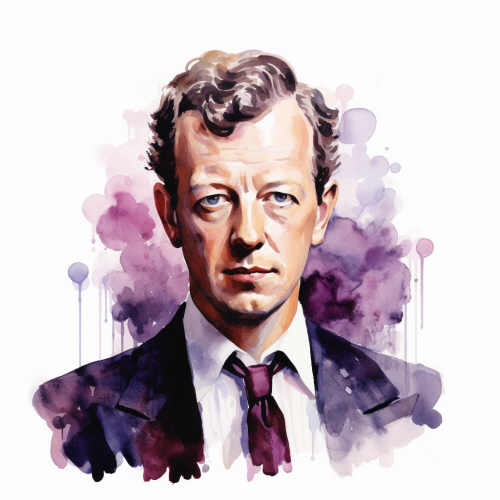
Benjamin Britten
Lachrymae, reflections on a song of Dowland, Op. 48a
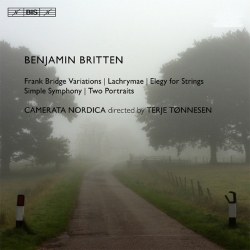
Released Album
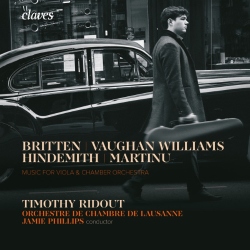
Recent Album
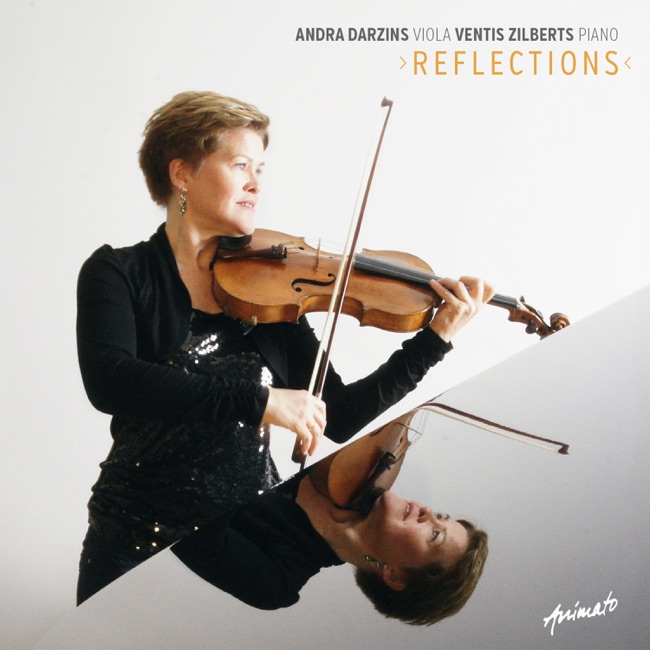
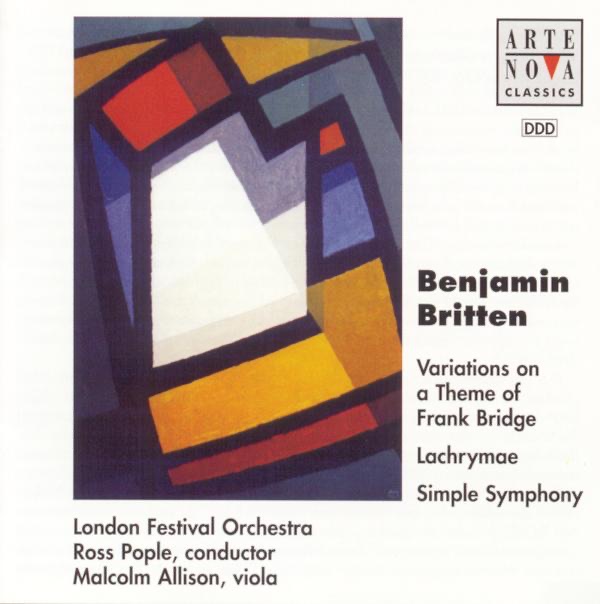
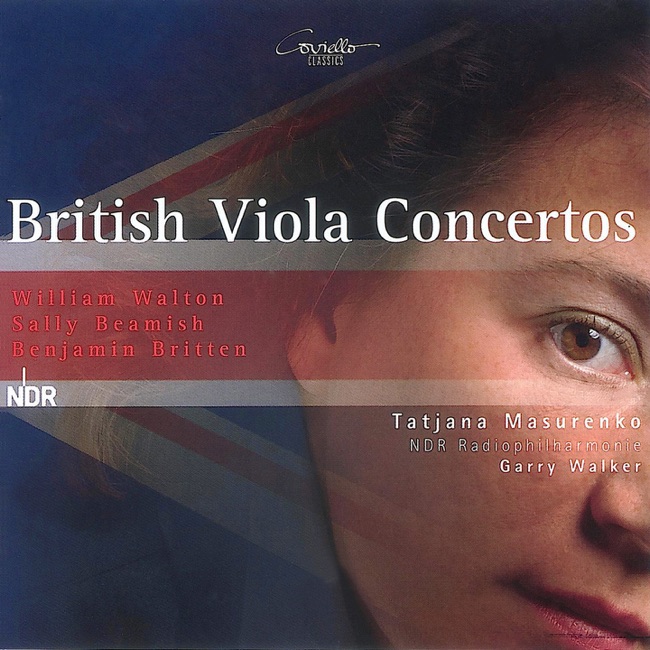
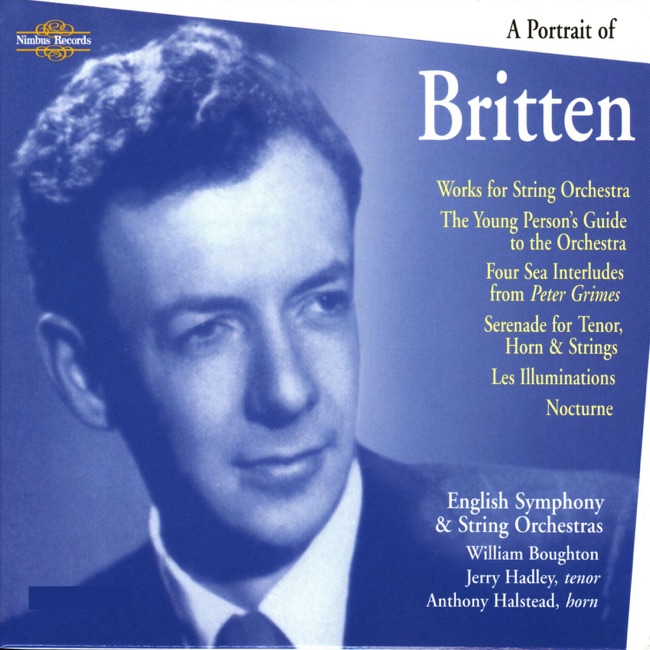
Featured Album
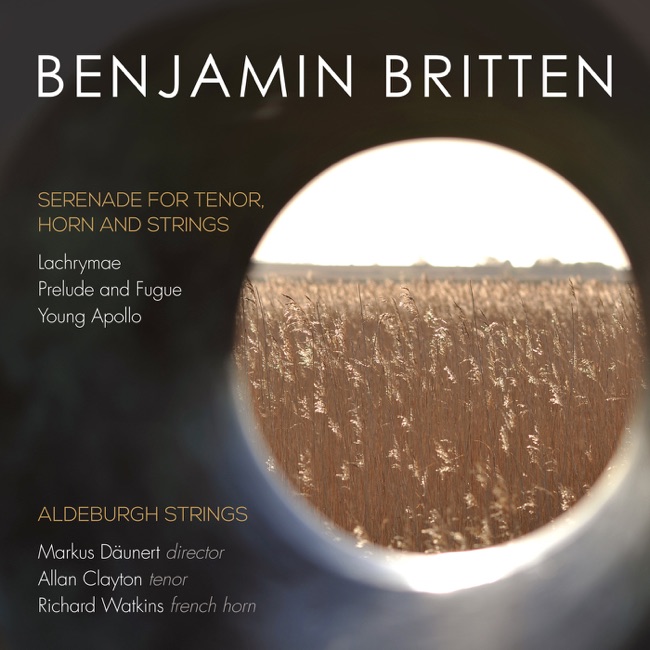
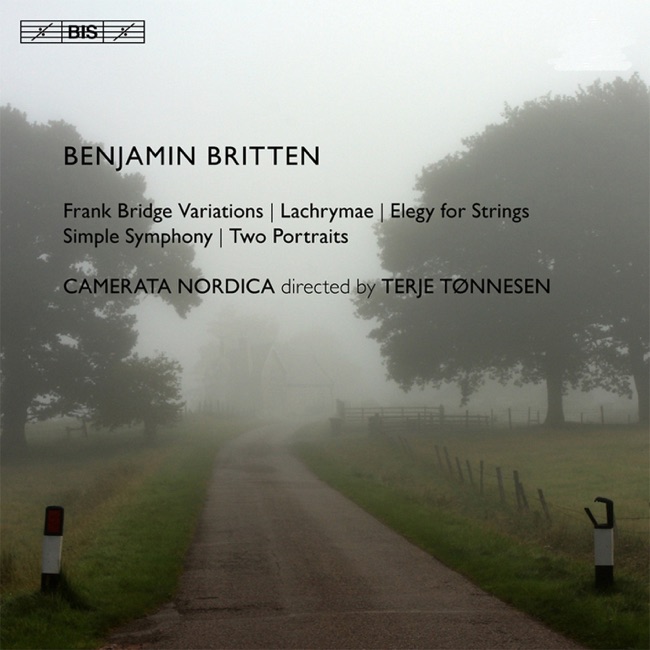
Works Info
Composer:Benjamin BrittenGenre:ConcertoStyle:ConcertoCompose Date:1976Average_duration:15:00Movement_count:11Movement ....Lachrymae, reflections on a song of Dowland, Op. 48a is a composition for viola and piano by Benjamin Britten. It was composed in 1950 and premiered on November 15, 1950, at the Wigmore Hall in London, with Britten himself on the piano and William Primrose on the viola. The piece is based on a song by the English Renaissance composer John Dowland, "Flow my tears". Britten takes the melody and transforms it into a set of variations, each with a different mood and character. The title, Lachrymae, is Latin for "tears" and reflects the melancholic and introspective nature of the piece. The composition is divided into nine movements, each with a different tempo and character. The first movement, "Lachrymae Antiquae", is slow and mournful, with the viola playing the Dowland melody in a fragmented and distorted way. The second movement, "Lachrymae Antiquae Novae", is faster and more rhythmic, with the viola and piano playing in a call-and-response style. The third movement, "Lachrymae Gementes", is slow and mournful again, with the viola playing long, sustained notes. The fourth movement, "Lachrymae Tristes", is faster and more agitated, with the viola and piano playing in a dissonant and angular way. The fifth movement, "Lachrymae Coactae", is slow and introspective, with the viola playing a solo melody. The sixth movement, "Lachrymae Amantis", is faster and more lyrical, with the viola and piano playing in a more harmonious and melodic way. The seventh movement, "Lachrymae Verae", is slow and mournful again, with the viola playing a solo melody. The eighth movement, "Lachrymae Brevis", is short and fast, with the viola and piano playing in a playful and virtuosic way. The final movement, "Lachrymae Epilogue", is slow and introspective again, with the viola playing a solo melody that gradually fades away. The piece ends with a quiet and unresolved chord, leaving the listener with a sense of melancholy and introspection. Overall, Lachrymae is a complex and introspective piece that reflects Britten's fascination with Dowland's music and his own personal struggles with depression and anxiety. It is a masterpiece of 20th-century chamber music and a testament to Britten's skill as a composer and his deep emotional sensitivity.More....
Works Music
Released Music
2
14:49
3
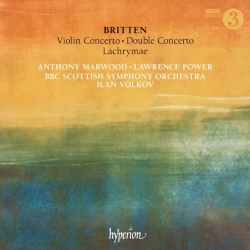
Lachrymae, reflections on a song of Dowland, Op. 48a
Lachrymae: Reflections on a song of Dowland for viola and orchestra, Op. 48a
13:7
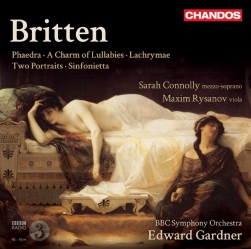
5
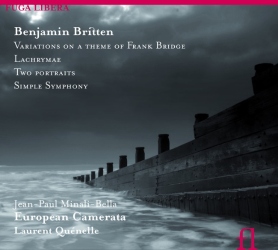
14:37
6
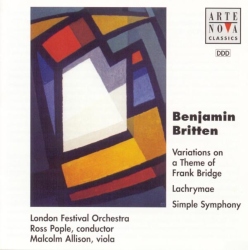
15:13
7
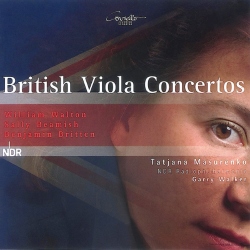
13:56
8
1:50
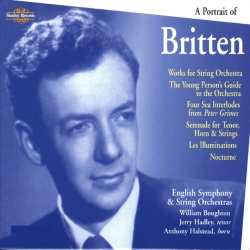
10
2:12
Featured Music