


Ferruccio Busoni
Solo dramatique, Op. 13, KiV 101
Released Album
Recent Album


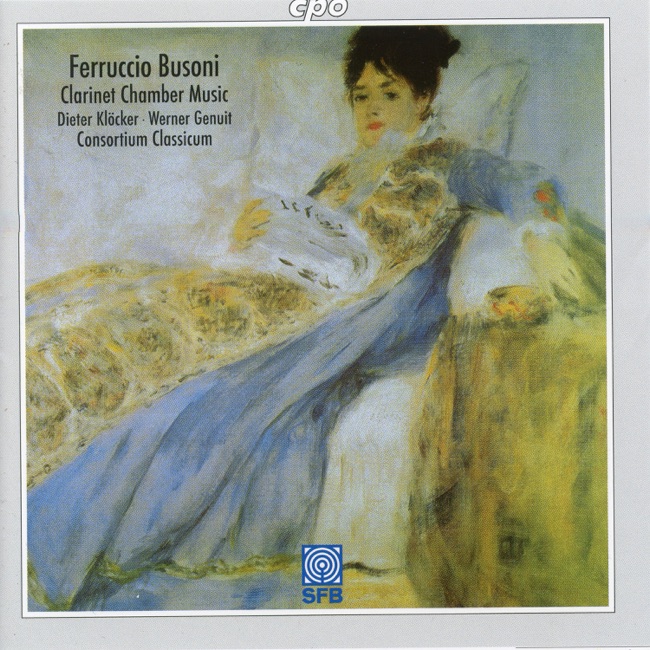
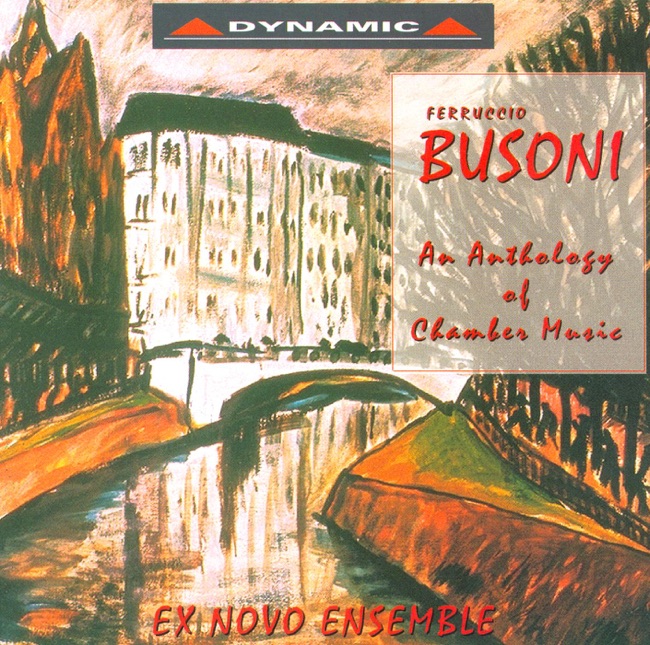
Works Info
Composer:Ferruccio BusoniGenre:ChamberStyle:SonataCompose Date:Feb 2, 1879First Performance:Feb 7, 1879Average_duration:4:20Ferruccio Busoni's 'Solo dramatique, Op. 13, KiV 101' is a solo piano work composed in 1904. It premiered in Berlin on December 15, 1904, with Busoni himself as the performer. The piece is divided into three movements, each with its own distinct character and style. The first movement, marked "Andante con moto," is a lyrical and expressive piece that showcases Busoni's skill as a pianist. The music is characterized by its flowing melodies and rich harmonies, which create a sense of emotional depth and intensity. The movement builds to a powerful climax before subsiding into a quiet and reflective coda. The second movement, marked "Allegro molto," is a virtuosic tour-de-force that demonstrates Busoni's technical prowess as a pianist. The music is fast-paced and energetic, with intricate runs and arpeggios that require great dexterity and precision. The movement is full of sudden shifts in tempo and dynamics, creating a sense of excitement and unpredictability. The final movement, marked "Andante molto sostenuto," is a haunting and introspective piece that explores the darker side of human emotion. The music is characterized by its slow, mournful melodies and dissonant harmonies, which create a sense of unease and tension. The movement builds to a powerful climax before subsiding into a quiet and contemplative coda. Overall, 'Solo dramatique, Op. 13, KiV 101' is a complex and challenging work that showcases Busoni's unique style and approach to piano composition. The piece combines elements of Romanticism, Impressionism, and modernism, creating a sound that is both timeless and innovative. It remains a popular and influential work in the piano repertoire to this day.More....
Works Music
Released Music


4
4:30