Louis-Gabriel Guillemain
Sonata No. 3 in D minor (from, Op. 12)
Released Album
Recent Album
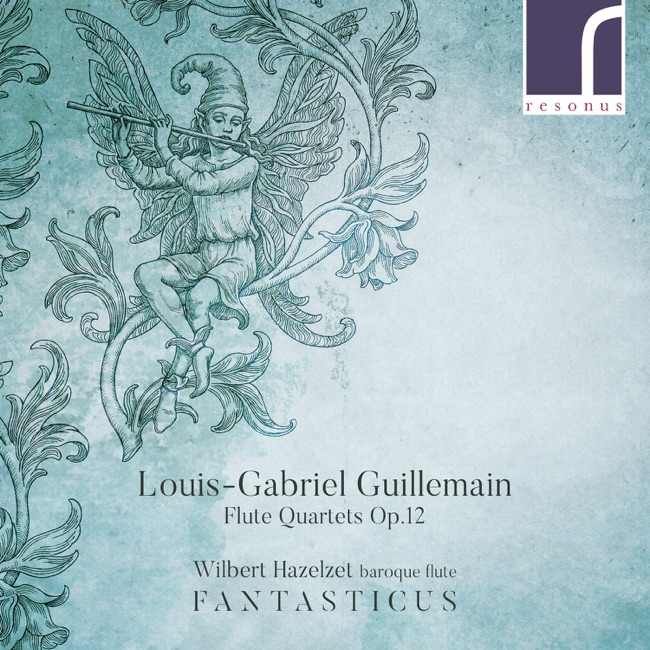
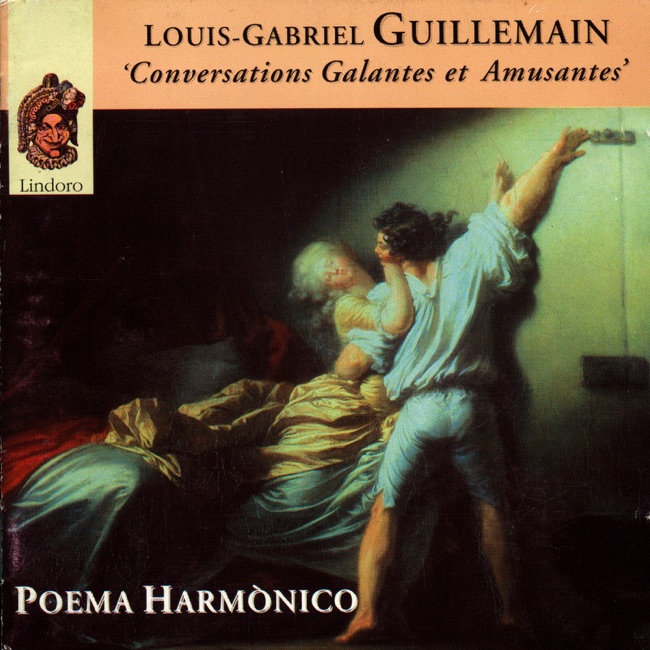
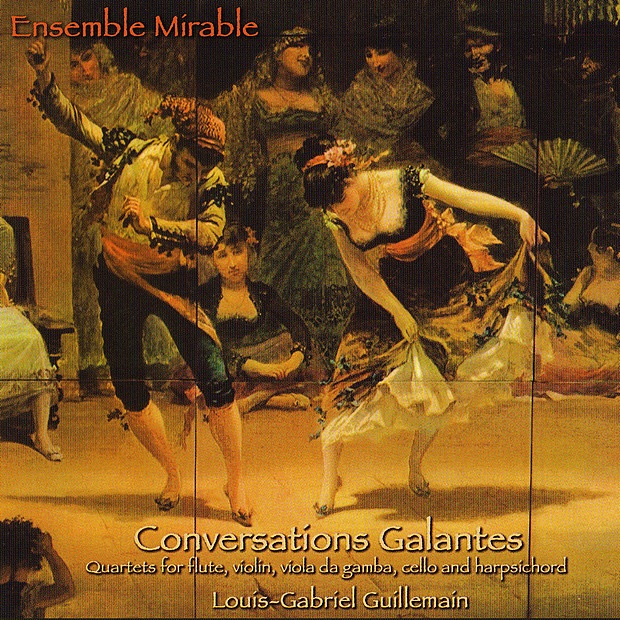
Featured Album

Works Info
Composer:Louis-Gabriel GuillemainGenre:ChamberStyle:Chamber MusicCompose Date:1743Average_duration:15:08Louis-Gabriel Guillemain's Sonata No. 3 in D minor (from Op. 12) is a Baroque-era composition for violin and basso continuo. It was composed in the mid-18th century and premiered in Paris, France. The sonata consists of four movements: Prelude, Allemande, Sarabande, and Gigue. The Prelude is a fast and lively movement that showcases the virtuosic abilities of the violinist. It is characterized by its use of rapid arpeggios and runs, as well as its frequent use of trills and other ornamentation. The Allemande is a slower, more contemplative movement that features a more lyrical melody. It is characterized by its use of dotted rhythms and its frequent use of suspensions and other harmonic devices. The Sarabande is a slow and stately dance that is characterized by its use of a simple, repeating melody. It is often considered the emotional centerpiece of the sonata, and it is notable for its use of expressive ornamentation and its rich, sonorous harmonies. The Gigue is a fast and lively dance that brings the sonata to a rousing conclusion. It is characterized by its use of rapid, syncopated rhythms and its frequent use of imitative counterpoint. Overall, Guillemain's Sonata No. 3 in D minor is a masterful example of Baroque-era violin music. It showcases the technical abilities of the violinist while also exploring a wide range of emotional and musical ideas. Its use of ornamentation, harmonic devices, and dance rhythms make it a quintessential example of the Baroque style.More....
Works Music
Released Music
Featured Music