Andrea Antico
Che debb'io fare
Released Album
Recent Album
Works Info
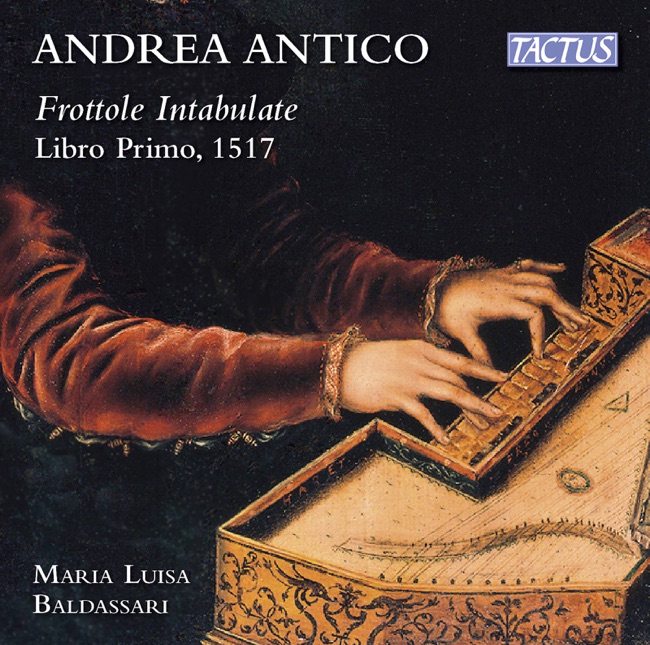
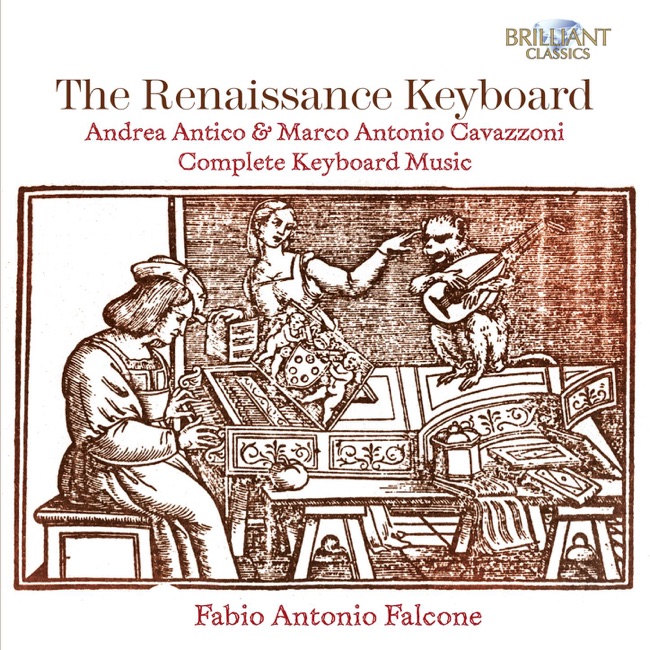
Composer:Andrea AnticoGenre:KeyboardAverage_duration:1:12"Che debb'io fare" is a madrigal composed by Andrea Antico, an Italian music printer and composer who lived during the Renaissance period. The piece was composed in the early 16th century and was first published in 1517 in Antico's collection of madrigals titled "Frottole Intabulate da Sonare Organ et Chitarra." The madrigal is written for four voices and is characterized by its lively and playful melody. It is composed in the key of G major and has a moderate tempo. The piece is divided into three movements, each with its own distinct character and mood. The first movement begins with a lively and rhythmic melody in the upper voices, accompanied by a steady bass line in the lower voices. The melody is characterized by its use of syncopation and playful rhythms, which give the piece a sense of energy and movement. The lyrics of the first movement describe the speaker's confusion and indecision in matters of love, with lines such as "What should I do? I am lost in love's maze." The second movement is slower and more contemplative, with a more somber melody and a more complex harmonic structure. The lyrics of the second movement describe the speaker's longing for his beloved, with lines such as "My heart is consumed with love, and I cannot find peace." The use of dissonance and chromaticism in the harmony adds to the sense of longing and melancholy in the music. The third and final movement returns to the lively and playful character of the first movement, with a fast-paced melody and a driving rhythm. The lyrics of the third movement describe the speaker's determination to win his beloved's heart, with lines such as "I will do whatever it takes to win your love." The use of repetition and imitation in the melody gives the piece a sense of unity and coherence, bringing the madrigal to a satisfying conclusion. Overall, "Che debb'io fare" is a charming and engaging madrigal that showcases Antico's skill as a composer. Its lively melodies, playful rhythms, and expressive harmonies make it a delightful example of Renaissance music.More....
Works Music
Released Music
1
Che deb'io fare
Che debbio fare (Frottole Intabulate per sonare organi Libro Primo, Roma 1517)
1:33