John Harbison
Symphony No. 1
Released Album
Recent Album
Works Info
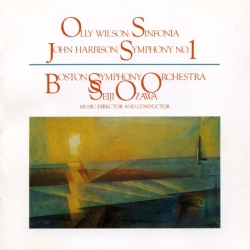
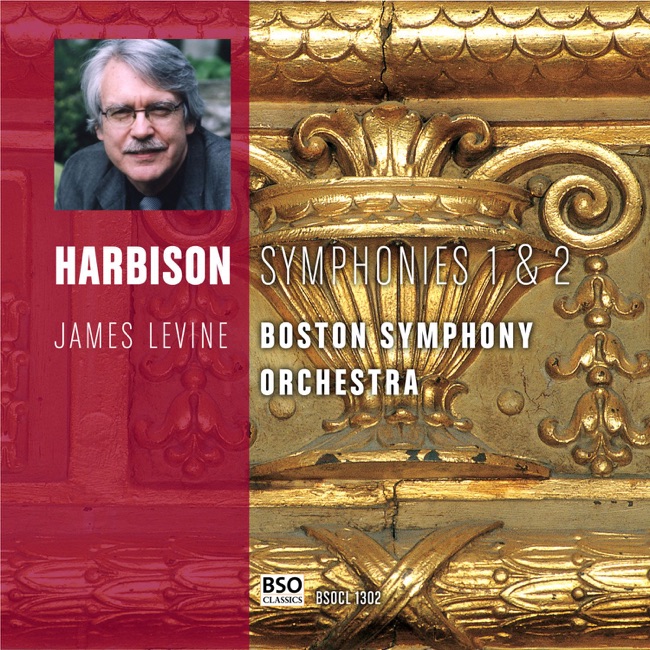
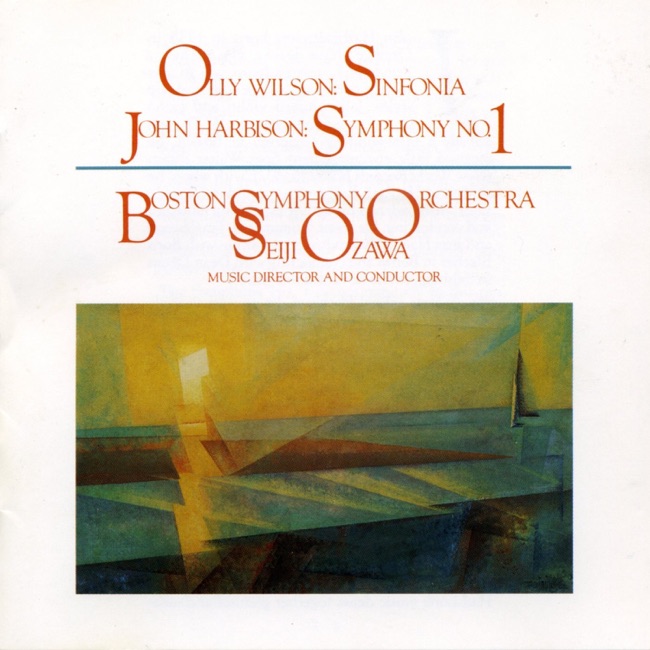
Composer:John HarbisonGenre:SymphonyStyle:SymphonyCompose Date:1981Average_duration:23:55Movement_count:4Movement ....Symphony No. 1 is a four-movement orchestral work composed by John Harbison. It was composed in 1982 and premiered on October 7, 1983, by the Boston Symphony Orchestra under the direction of Seiji Ozawa. The first movement, marked "Allegro," begins with a bold and energetic theme played by the brass section. This theme is then developed and expanded upon by the rest of the orchestra, creating a sense of excitement and anticipation. The movement also features a lyrical second theme played by the strings, which provides a contrast to the more rhythmic and driving first theme. The second movement, marked "Adagio," is a slow and contemplative piece that showcases the orchestra's ability to create a rich and expressive sound. The movement features a haunting melody played by the oboe, which is then taken up by the rest of the orchestra. The overall mood of the movement is one of introspection and reflection. The third movement, marked "Scherzo," is a lively and playful piece that features a fast and intricate rhythm. The movement is characterized by its use of syncopation and irregular accents, which create a sense of unpredictability and excitement. The movement also features a contrasting trio section, which provides a moment of respite before the return of the scherzo. The final movement, marked "Allegro con fuoco," is a fast and energetic piece that brings the symphony to a thrilling conclusion. The movement features a driving rhythm and a sense of urgency, as if the orchestra is racing towards a dramatic finale. The movement also features a triumphant theme played by the brass section, which provides a sense of resolution and closure. Overall, Symphony No. 1 is a dynamic and expressive work that showcases Harbison's skill as a composer. The symphony is characterized by its use of bold themes, rich harmonies, and intricate rhythms, which create a sense of excitement and anticipation throughout the work.More....