Claude Debussy
Sirènes, L. 91/3
Released Album
Recent Album

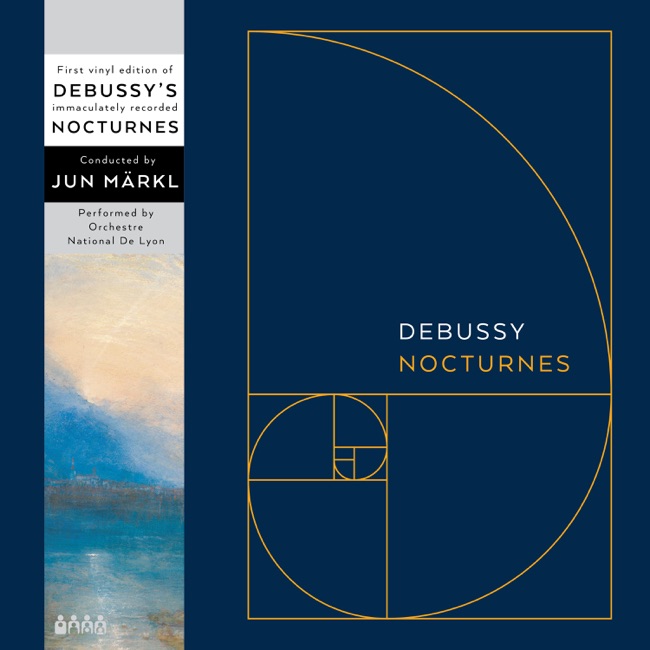



Featured Album

Works Info
Composer:Claude DebussyGenre:OrchestralStyle:Tone PoemCompose Date:1897 - 1899Average_duration:11:37Sirènes, L. 91/3 is a symphonic poem composed by Claude Debussy in 1909. It is the third and final movement of his work Nocturnes, which premiered on December 9, 1900, in Paris. The piece is scored for a large orchestra, including a chorus of female voices. The title of the piece, Sirènes, refers to the mythical creatures of Greek mythology who lured sailors to their deaths with their enchanting songs. Debussy's composition captures the allure and danger of the sirens' song through his use of lush harmonies, shimmering textures, and haunting melodies. The piece begins with a soft, undulating wave of sound, created by the orchestra's strings and harps. The chorus enters, singing wordlessly in a high, ethereal register, evoking the siren's song. The orchestra responds with a series of shimmering, impressionistic chords, creating a dreamlike atmosphere. As the piece progresses, the chorus and orchestra engage in a call-and-response dialogue, with the chorus singing short, melodic phrases and the orchestra responding with a variety of textures and colors. The music builds in intensity, with the chorus and orchestra reaching a frenzied climax before abruptly ending on a soft, mysterious chord. Debussy's use of harmony and orchestration in Sirènes is characteristic of his impressionistic style. He employs a wide range of colors and textures, often using unconventional combinations of instruments to create unique timbres. The piece is also notable for its use of wordless vocalizations, which add to the otherworldly quality of the music. Overall, Sirènes is a haunting and evocative piece of music that captures the allure and danger of the mythical sirens. Its lush harmonies, shimmering textures, and haunting melodies make it a quintessential example of Debussy's impressionistic style.More....
Works Music
Released Music




Featured Music