


Jeremy Siepmann
Released Album
Miscellaneous
-
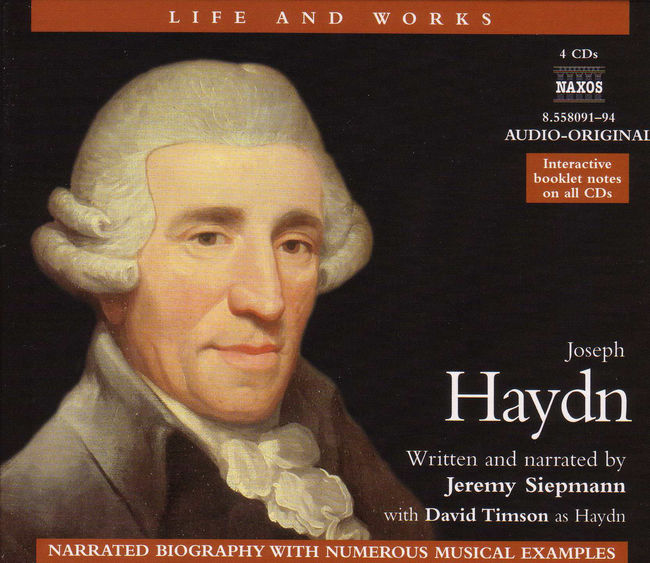 October 21, 2003
 -
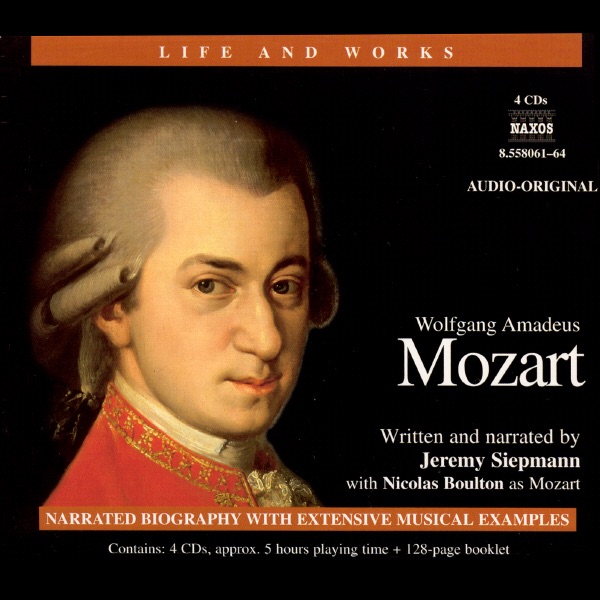 July 30, 2002
 -
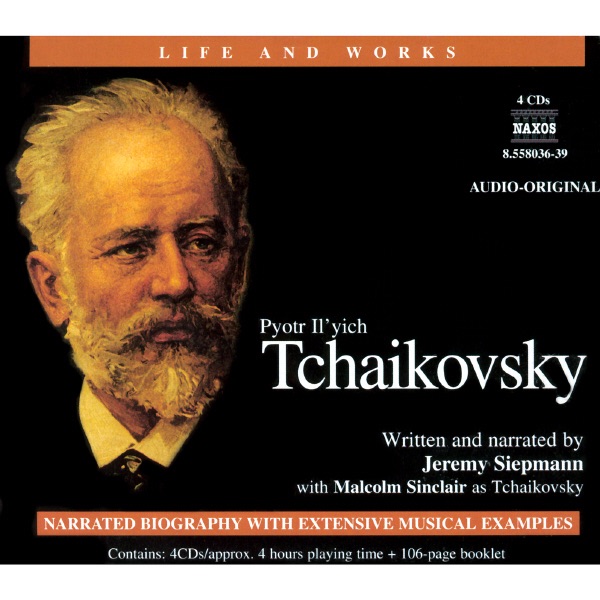 July 18, 2002
 -
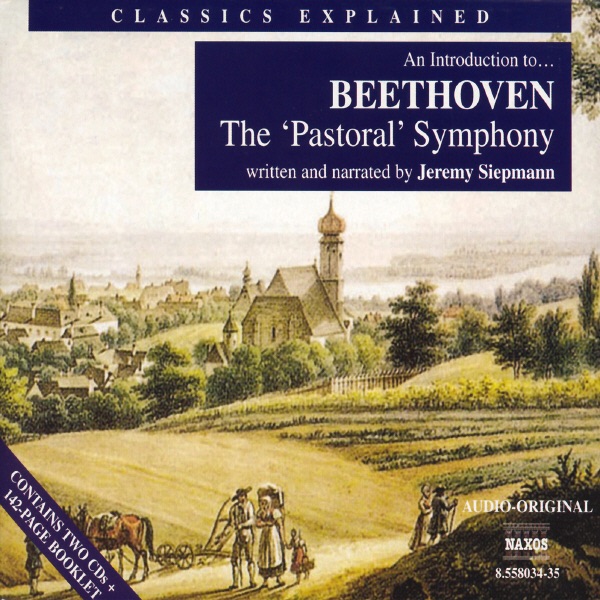 April 1, 2002
 -
 February 14, 2002
 -
Artist Info
Role:Composer PerformerGenre:KeyboardJeremy Siepmann was a British classical music composer, pianist, and writer who was born on December 3, 1942, in New York City. He was the son of a German-Jewish father and an English mother. Siepmann's father was a pianist and composer, and his mother was a singer. Siepmann's parents moved to England when he was a child, and he grew up in London. Siepmann showed an early interest in music and began playing the piano at the age of six. He studied at the Royal College of Music in London, where he was a pupil of Kendall Taylor and Cyril Smith. Siepmann also studied composition with Herbert Howells and conducting with Norman Del Mar. Siepmann began his career as a pianist, performing in concerts and recitals throughout Europe and the United States. He was known for his interpretations of the music of Franz Schubert, Robert Schumann, and Johannes Brahms. Siepmann also recorded several albums of piano music, including works by Schubert, Schumann, Brahms, and Chopin. In addition to his work as a pianist, Siepmann was also a composer. He wrote music for piano, chamber ensembles, and orchestra. His compositions were influenced by the music of the Romantic era, particularly the works of Schubert and Schumann. Siepmann was also a writer and musicologist. He wrote several books on classical music, including biographies of composers such as Mozart, Beethoven, and Chopin. Siepmann was known for his ability to make classical music accessible to a wider audience, and his books were popular with both music enthusiasts and general readers. One of Siepmann's most notable works as a composer was his Piano Concerto No. 1, which was premiered in 1978. The concerto was written in a traditional three-movement form and featured a solo piano part that was virtuosic and expressive. The work was well-received by audiences and critics alike, and it remains one of Siepmann's most popular compositions. Another notable work by Siepmann was his String Quartet No. 1, which was premiered in 1985. The quartet was written in a modernist style and featured complex rhythms and harmonies. The work was influenced by the music of Bartok and Shostakovich, and it was praised for its originality and emotional depth. Siepmann's other compositions include several works for solo piano, including his Sonata No. 1 and his Variations on a Theme by Schumann. He also wrote several chamber works, including his Trio for Violin, Cello, and Piano and his Quintet for Piano and Strings. In addition to his work as a composer and pianist, Siepmann was also a respected music educator. He taught at several institutions, including the Royal College of Music and the Guildhall School of Music and Drama. He was known for his ability to inspire and motivate his students, and many of them went on to successful careers in music. Siepmann continued to compose, perform, and write about music throughout his life. He died on February 26, 2016, at the age of 73. His legacy as a composer, pianist, and writer continues to inspire and influence musicians and music lovers around the world.More....
Recent Artist Music
1
Discussion/Introduction to Ravel's "Boléro"
Section 13: Violins at last take the main tune, joining massed winds
1:14
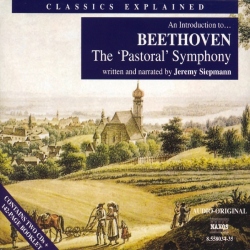
4
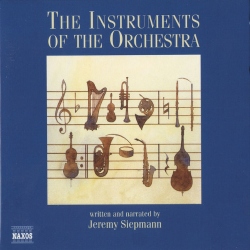
The Instruments of the Orchestra
Violin: "Oh! to be a conductor..." Includes excerpt from Wagner's Overture to Tannhäuser
2:6
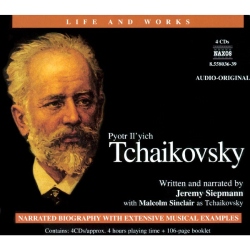
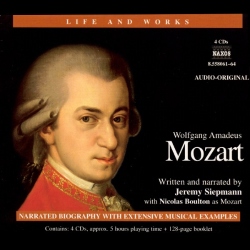
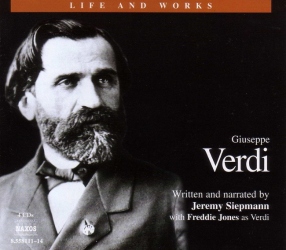
8
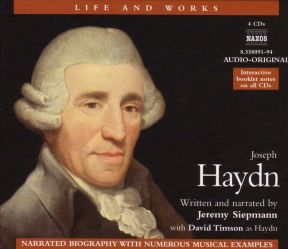
The Life and Works of Joseph Haydn
From peasant to choirboy (spoken word). Includes Symphony No. 92 in G ("Oxford"): No. 4. Presto by
7:34
Copyright Ⓒ 2013 Davinci Finger. All rights reseved
Service Terms & Policy