William Babell
Concerto No. 4 in A major
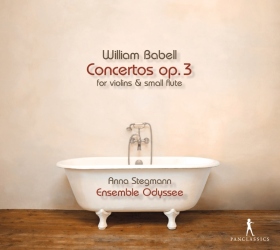
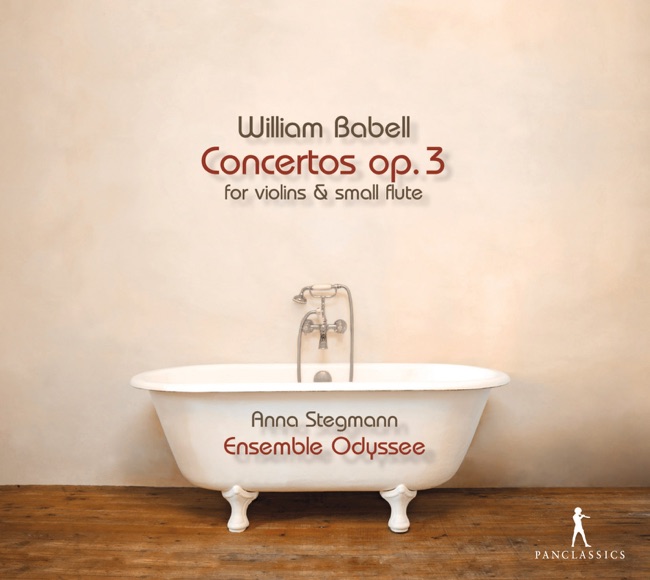
Released Album
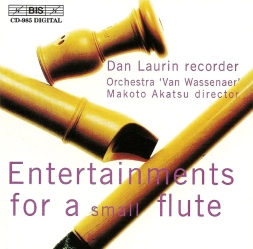
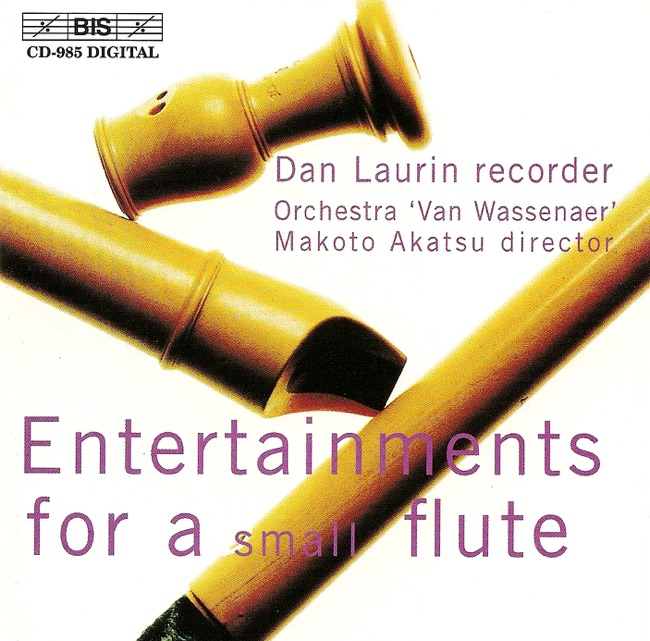
Recent Album
Works Info
Composer:William BabellGenre:ConcertoStyle:ConcertoAverage_duration:8:04William Babell's Concerto No. 4 in A major is a Baroque concerto for harpsichord and strings. It was composed in the early 18th century, although the exact date of composition is unknown. The concerto is believed to have been premiered in London, where Babell was active as a composer and performer. The concerto is divided into three movements: Allegro, Adagio, and Allegro. The first movement is characterized by its lively and energetic tempo, with the harpsichord taking center stage and the strings providing a supportive accompaniment. The second movement, Adagio, is a slower and more contemplative piece, with the harpsichord playing a more subdued role and the strings taking on a more prominent role. The final movement, Allegro, returns to the lively and energetic tempo of the first movement, with the harpsichord and strings engaging in a playful and virtuosic dialogue. One of the defining characteristics of Babell's Concerto No. 4 is its use of ornamentation and improvisation. The harpsichord part is filled with intricate runs, trills, and other embellishments, which were often left to the performer's discretion. This allowed for a great deal of individual expression and creativity, and made each performance of the concerto unique. Overall, Babell's Concerto No. 4 in A major is a prime example of the Baroque concerto form, with its emphasis on virtuosity, improvisation, and dialogue between soloist and ensemble. Its lively and energetic character, combined with its use of ornamentation and improvisation, make it a popular and enduring work in the harpsichord repertoire.More....
Works Music
Released Music