


William Babell
Released Album
Concerto
-
 November 4, 2022
 -
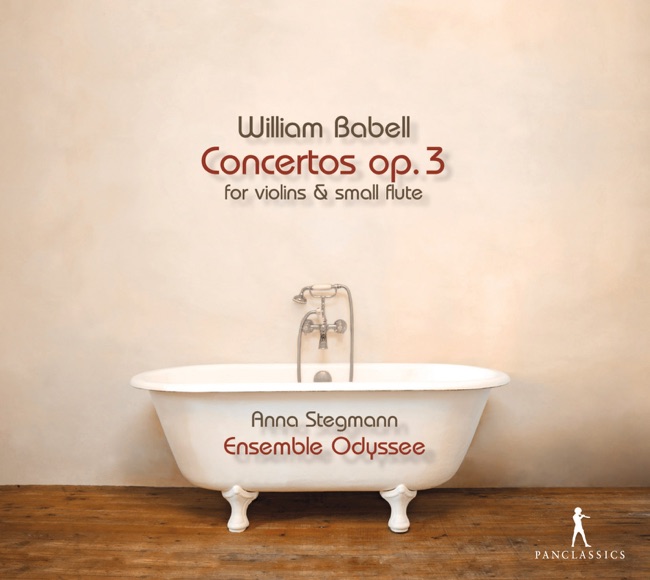 October 28, 2016
 -
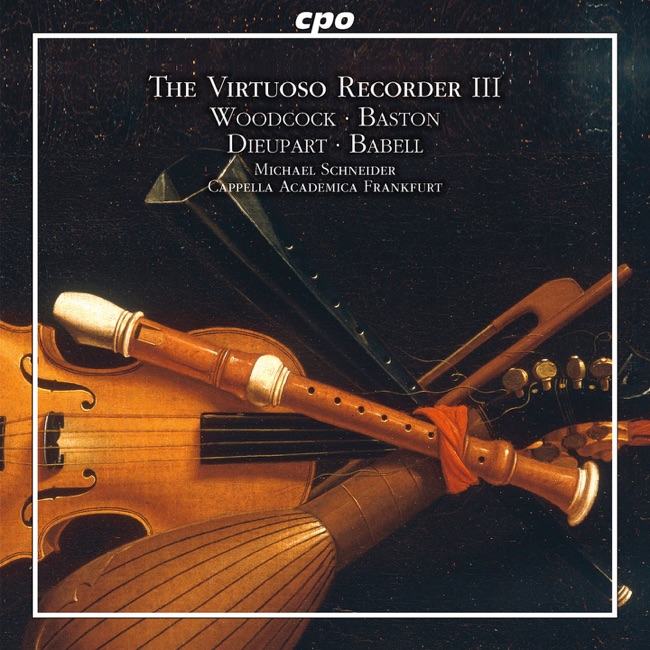 August 14, 2015
 -
 May 14, 2007
 -
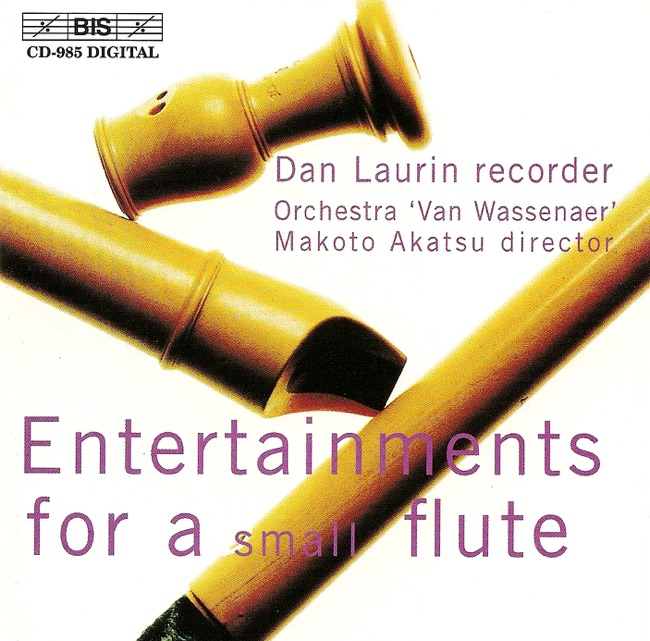 March 1, 2000
 -
 October 1, 1999
Keyboard
-
-
 August 18, 2017
 -
 June 16, 2017
 -
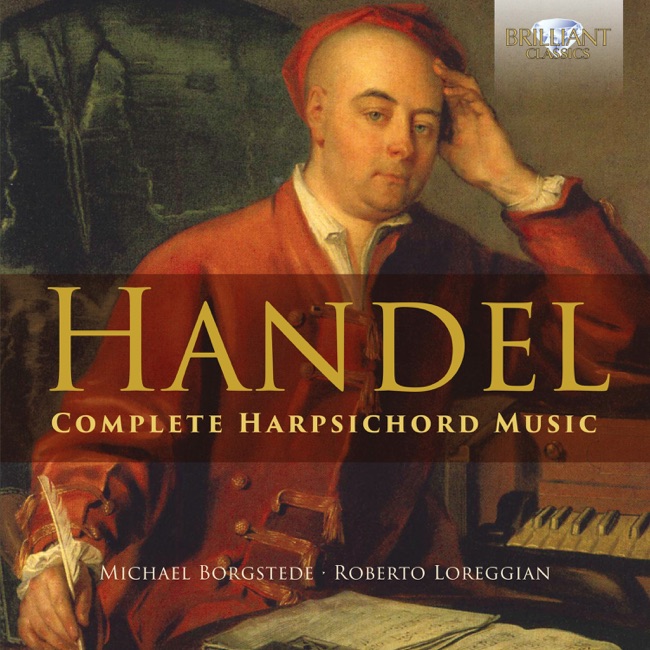 February 26, 2016
 -
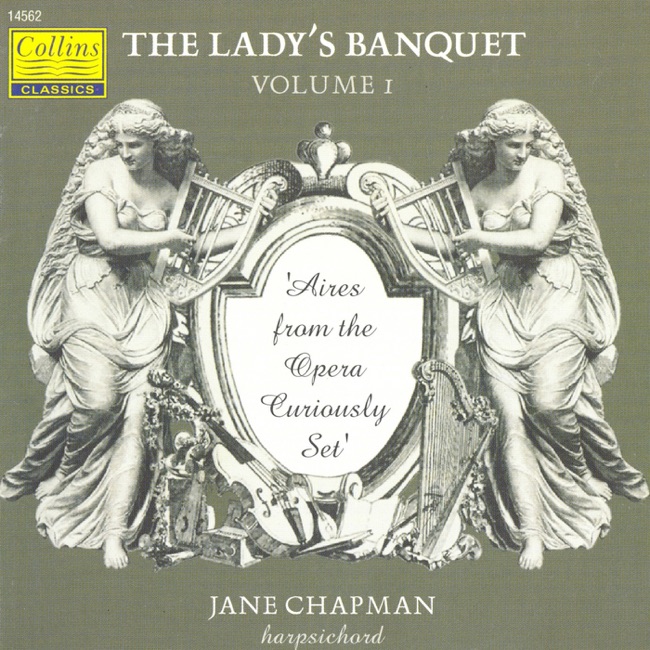 September 19, 1995
Chamber
-
 January 1, 2021
 -
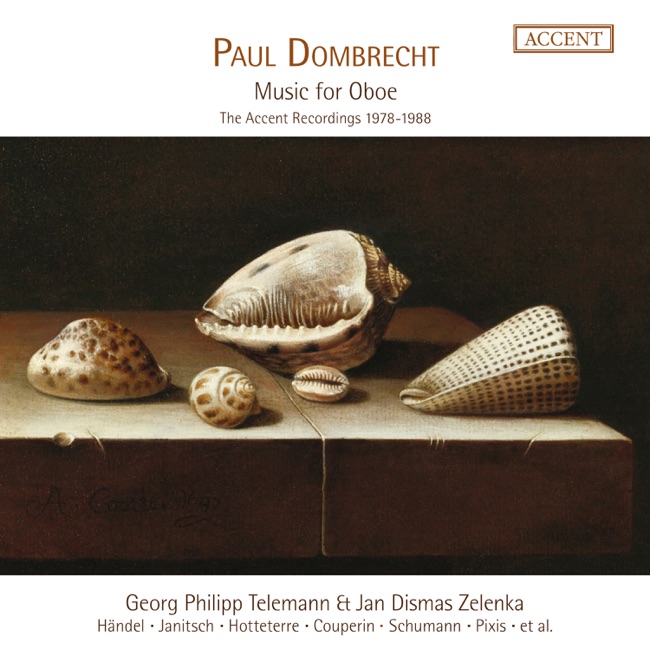 November 15, 2019
 -
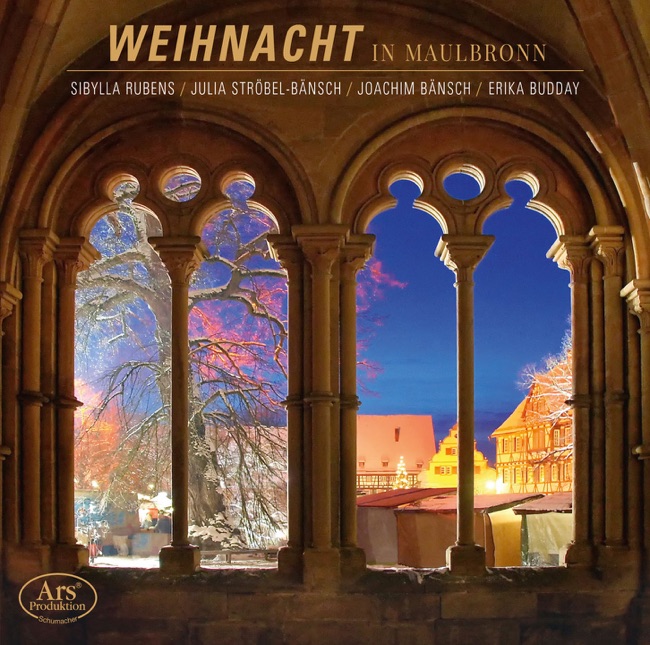 October 30, 2015
 -
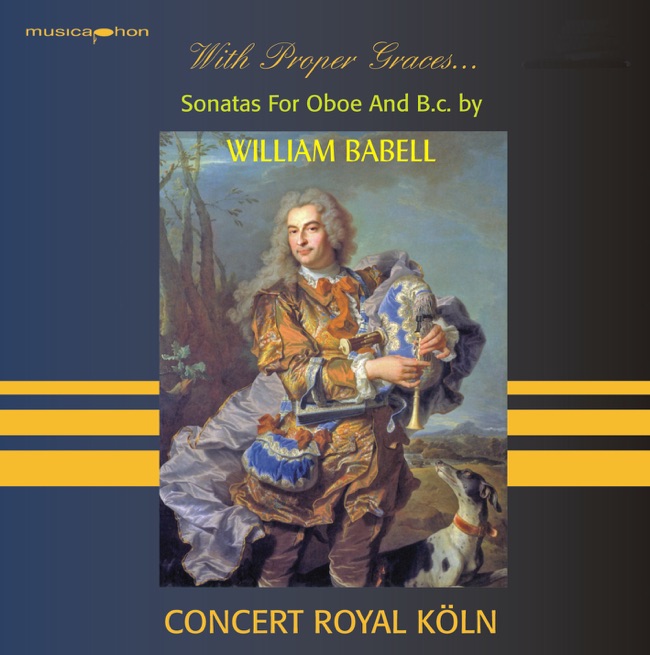 January 25, 2011
 -
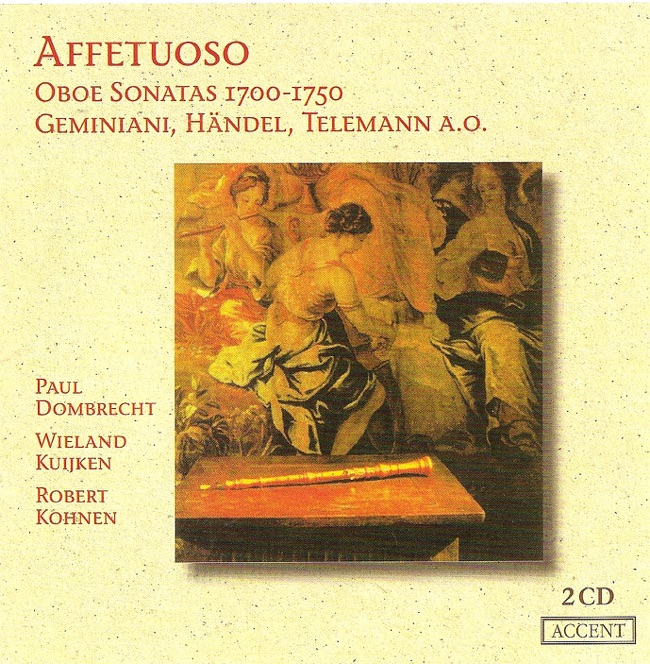 June 27, 2006
Artist Info
Role:ComposerCountry: United KingdomBirth:1690Death:September 23, 1723 in Islington, London, EnglandPeriod:BaroqueGenre:ConcertoKeyboardWilliam Babell was a prominent English composer and harpsichordist who lived during the Baroque era. He was born in 1689 in London, England, and was the son of a musician. Babell's father was a member of the King's Band, which was a group of musicians who played for the royal court. It is likely that Babell's father played a significant role in his musical education and development. Babell's musical career began at a young age, and he quickly gained a reputation as a talented musician. He was a skilled harpsichordist and was known for his virtuosic performances. Babell also composed music, and his works were well-received by audiences and critics alike. One of Babell's most significant accomplishments was his appointment as the organist at St. Dunstan-in-the-West, a church in London. This position was highly prestigious, and it demonstrated Babell's skill and talent as a musician. Babell held this position for several years, and during this time, he continued to compose music and perform as a harpsichordist. Babell's compositions were primarily instrumental works, and he wrote music for a variety of instruments, including the harpsichord, violin, and flute. His music was characterized by its intricate melodies and complex harmonies, which were typical of the Baroque era. Babell's works were also notable for their technical difficulty, which made them challenging for performers to play. One of Babell's most famous works is his arrangement of Handel's opera "Il pastor fido." Babell's arrangement was for harpsichord, and it was highly praised for its skillful adaptation of Handel's music. Babell's arrangement was so well-received that it was published and became a popular piece for harpsichordists to perform. Babell's other notable works include his sonatas for violin and harpsichord, which were highly regarded for their technical difficulty and musical complexity. Babell also wrote several pieces for the flute, including his "Concerto in D Major," which was a popular piece for flutists to perform. Despite his success as a composer and performer, Babell's life was not without its challenges. He struggled with financial difficulties throughout his career, and he was forced to sell some of his musical instruments to make ends meet. Babell also had a reputation for being difficult to work with, which may have contributed to his financial struggles. Babell's career came to an abrupt end in 1723 when he was involved in a scandal. Babell was accused of stealing music from another composer, and he was subsequently dismissed from his position as the organist at St. Dunstan-in-the-West. The scandal damaged Babell's reputation, and he was unable to find work as a musician in London. Babell's later years were marked by financial difficulties and poor health. He died in 1723 at the age of 34, leaving behind a legacy of innovative and challenging music. Despite the scandal that marred his career, Babell's contributions to the world of classical music continue to be celebrated today. In conclusion, William Babell was a talented and innovative composer and harpsichordist who made significant contributions to the world of classical music. His works were characterized by their technical difficulty and musical complexity, and they continue to be celebrated today. Although his career was marred by scandal and financial difficulties, Babell's legacy as a composer and performer remains an important part of the Baroque era of classical music.More....
Recent Artist Music
1
2:38
3
3:39
5
1:50
6
2:7
7
5:59
8

1:57
9
3:50
11
2:7
12
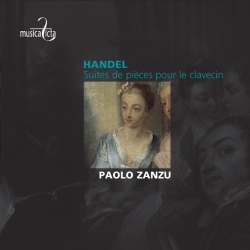
Transcription for keyboard of "Let me cry"
Suite No. 1 in F major: Lascia ch'io pianga in Rinaldo
4:37
13
1:58
14
1:57
Copyright Ⓒ 2013 Davinci Finger. All rights reseved
Service Terms & Policy